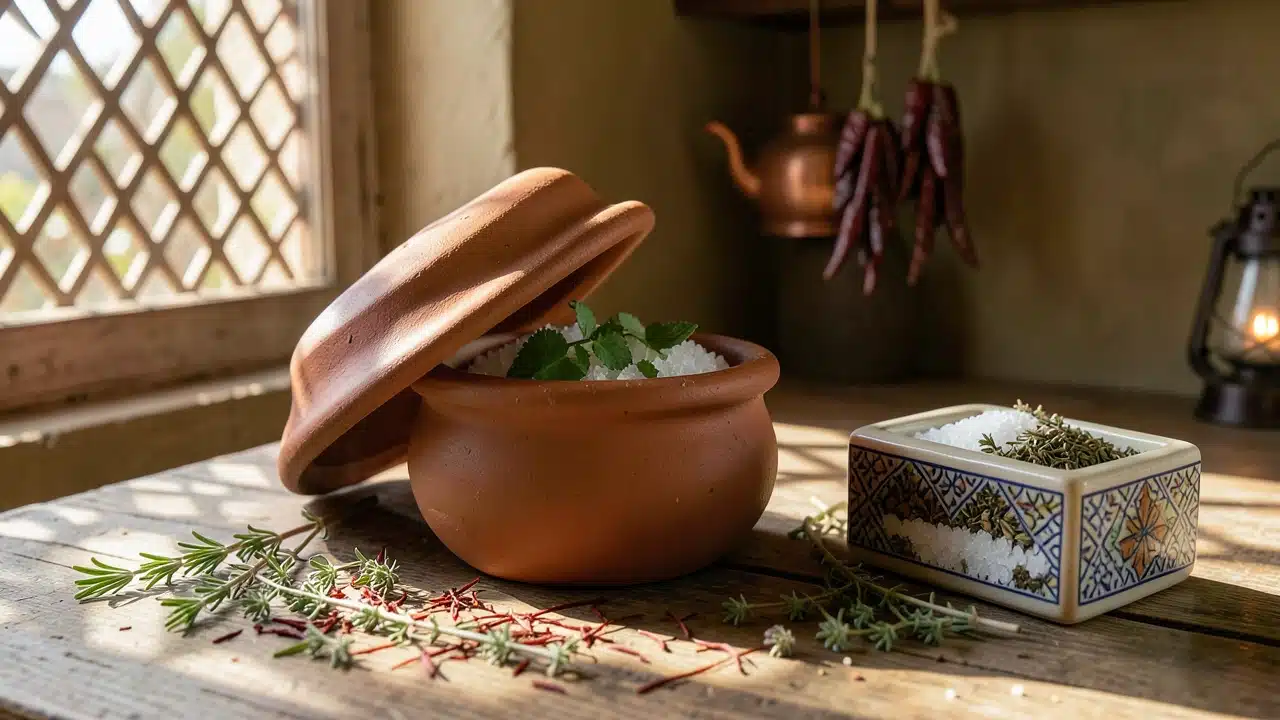
Salt Box Method For Preserving Fresh Herbs In Moroccan Cooking
Salt box method for preserving fresh herbs in Moroccan cooking means layering chopped parsley, cilantro, or mint with salt so they season tagines, soups, chermoula, and sauces without wilting.
The salt draws out moisture and concentrates flavour, but it is not a room-temperature shortcut. Keep it refrigerated, use clean jars, and reduce added salt in the dish.
Keeping your favorite fresh herbs vibrant and flavorful for your Moroccan dishes can be a challenge, especially when they wilt quickly.
You want that authentic taste, but fresh herbs are expensive and can go bad fast. Learning about the Salt Box Method for Preserving Fresh Herbs in Moroccan Cooking is a simple yet effective way to extend their life.
This technique helps you save money, reduce waste, and ensure you always have those essential aromatic ingredients on hand for tagines, couscous, and more. Get ready to discover how to keep your kitchen stocked with fresh, potent herbs all year round.
Key Takeaways
- You will learn how the Salt Box Method for Preserving Fresh Herbs in Moroccan Cooking works.
- Understand why this method is perfect for common Moroccan herbs like cilantro and parsley.
- Discover the simple steps to salt-pack your herbs for long-term storage.
- Learn how to properly store your preserved herbs to maintain their freshness and flavor.
- Find out how to use these preserved herbs in your favorite Moroccan recipes.
- Understand the benefits of this preservation technique, like saving money and reducing waste.
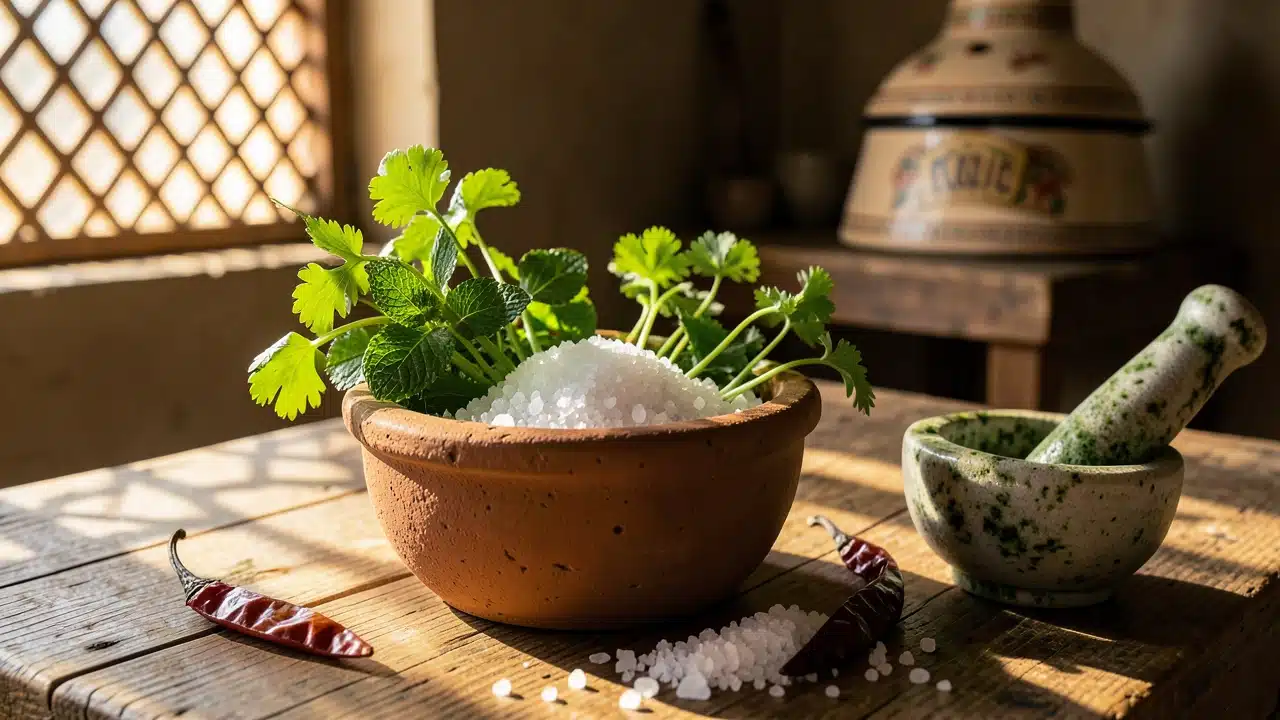
Why Preserve Moroccan Herbs?
Moroccan cuisine is famous for its vibrant use of fresh herbs. Think of the bright green cilantro and parsley that top a steaming tagine, or the fragrant mint in a refreshing glass of tea. These herbs are not just garnishes; they are fundamental to the flavor profile of many dishes.
However, fresh herbs have a short shelf life. They can wilt, lose their aroma, and become unusable within days. This leads to food waste and can be frustrating when you’re in the middle of preparing a meal.
Preserving them means you always have these essential ingredients ready.
The goal of any preservation method is to maintain the herb’s flavor and aroma for as long as possible. This allows home cooks to enjoy the authentic taste of Moroccan cooking without constantly buying new bunches of herbs. It’s about efficiency and ensuring the best possible culinary experience.
The Salt Box Method for Preserving Fresh Herbs in Moroccan Cooking offers a natural way to achieve this.
The Magic of Salt for Preservation
Salt has been used for centuries to preserve food. It works by drawing out moisture from the food through osmosis. When you pack herbs in salt, the salt pulls water from the plant cells.
This process inhibits the growth of bacteria and mold, which need moisture to survive and spoil food. The salt itself also acts as a barrier, preventing spoilage organisms from thriving.
For herbs, salt is particularly effective because it doesn’t significantly alter their natural flavor profile when used correctly. Instead, it locks in their essence. Think of it like creating a protective layer that keeps the herb’s volatile oils intact.
This is crucial for maintaining the aromatic qualities that make Moroccan dishes so special. The Salt Box Method for Preserving Fresh Herbs in Moroccan Cooking leverages this natural power of salt.
Choosing the Right Herbs for the Salt Box Method
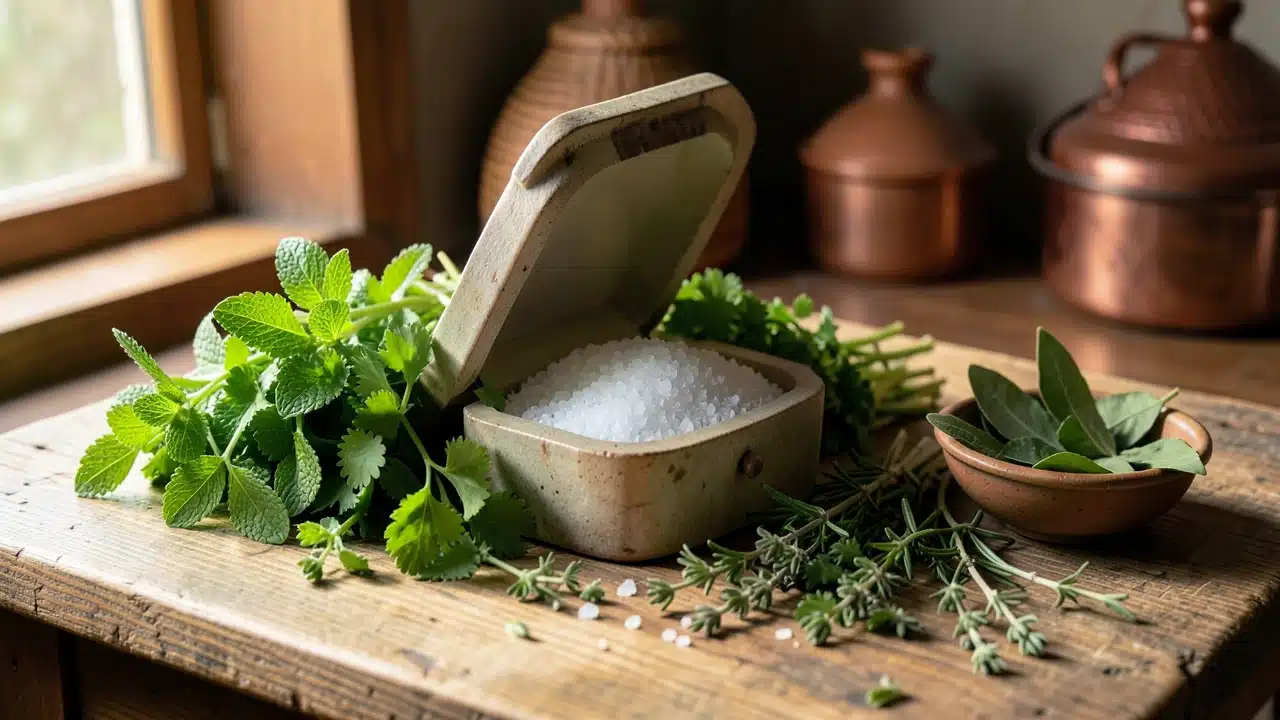
Not all herbs respond the same way to preservation. The Salt Box Method for Preserving Fresh Herbs in Moroccan Cooking is best suited for herbs with sturdy leaves and stems. These herbs can withstand the drying effect of salt and retain their structure and flavor well.
They are also commonly used in Moroccan cuisine, making this method highly practical.
Excellent candidates for this method include:
- Cilantro (Coriander): A staple in Moroccan cooking, cilantro has strong stems and leaves that hold up well.
- Parsley (Flat-leaf or Curly): Both varieties of parsley are perfect for this method. Their robust nature makes them ideal for salt packing.
- Mint: While slightly more delicate, mint can be preserved successfully, especially its leaves.
- Dill: Its feathery fronds can be packed, though they might break down a bit more than parsley or cilantro.
- Chives: These can be chopped and mixed with salt, though they are best used relatively soon after preservation.
Herbs with very tender leaves, like basil or tarragon, might not fare as well. They can become mushy or lose too much of their delicate flavor. For those, other methods like freezing in oil might be better.
But for the heart of Moroccan herb preservation, the salt box is your go-to.
How to Prepare Your Herbs
Getting your herbs ready for the salt box is a straightforward process. The key is to start with fresh, clean ingredients. This ensures the best possible outcome for your preserved herbs.
First, you need to harvest your herbs. It’s best to do this in the morning after the dew has dried. This ensures the herbs are dry, which is important for the preservation process.
If you’re using store-bought herbs, gently rinse them under cool water.
Second, thoroughly dry the herbs. This is a critical step. You can use a salad spinner to remove excess water.
Then, spread them out on a clean kitchen towel or paper towels. Pat them dry gently. Any remaining moisture can lead to mold, so take your time here.
Next, remove any bruised or damaged leaves. You want to preserve only the freshest parts of the plant. For herbs like cilantro and parsley, you can leave the stems on if they are young and tender.
Older, tougher stems can be discarded or chopped very finely.
Then, you can either leave the herbs whole or chop them. Some people prefer to chop them before salting, especially if they plan to use them in chopped form in their cooking. Others prefer to preserve them whole and chop them as needed.
Both methods work well for the Salt Box Method for Preserving Fresh Herbs in Moroccan Cooking.
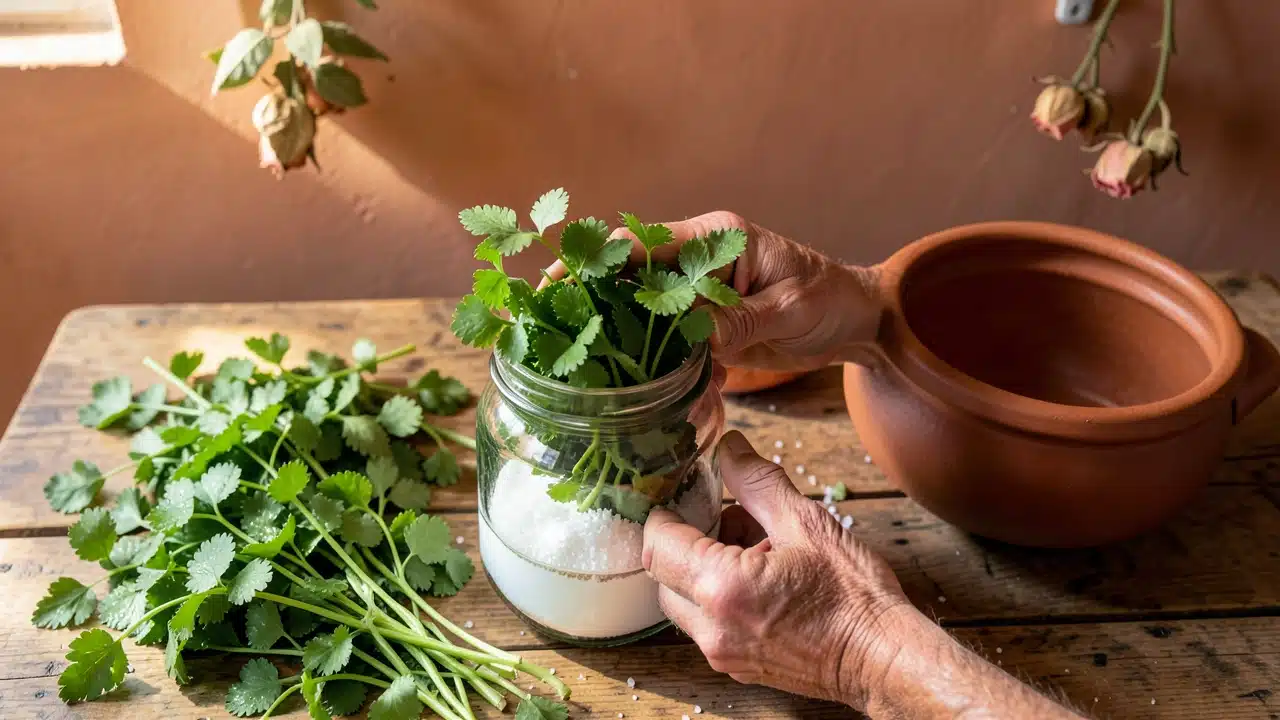
The Salt Box Method: Step-by-Step
Now for the main event: packing your herbs in salt. This is where the magic happens, turning fresh herbs into a long-lasting pantry staple.
The Salt Box Method for Preserving Fresh Herbs in Moroccan Cooking is simple and requires minimal equipment.
Here’s how to do it:
- Choose Your Container: Select a clean, dry, airtight container. Glass jars with tight-fitting lids are ideal. You can also use small plastic containers with secure lids. Make sure they are completely dry.
- Layer the Salt: Put a layer of coarse salt at the bottom of your container. Sea salt or kosher salt works best. Avoid iodized table salt, as it can sometimes impart a metallic taste. The salt layer should be about half an inch thick.
- Add the Herbs: Place a layer of your prepared herbs on top of the salt. Pack them down gently. Don’t overstuff the container; give the salt room to work.
- Cover with Salt: Add another generous layer of salt over the herbs. Make sure the herbs are completely covered by salt. This is the key to preventing spoilage.
- Repeat Layers: Continue layering salt and herbs until the container is full, ending with a thick layer of salt on top.
- Seal and Store: Seal the container tightly. Store it in a cool, dark place. A pantry or a cool cupboard is perfect. Avoid direct sunlight or heat, which can degrade the herbs and salt.
The salt will start to draw moisture from the herbs. You might notice the salt clumping or becoming damp. This is normal.
The herbs will shrink as they lose water. The salt acts as both a preservative and a flavor enhancer, drawing out excess water while infusing the herbs with a subtle salty note.
Storing Your Preserved Herbs
Proper storage is crucial for the longevity of your preserved herbs. Once packed using the Salt Box Method for Preserving Fresh Herbs in Moroccan Cooking, they need to be kept in the right conditions to maintain their quality. The goal is to keep them cool, dry, and away from light and air.
Cool, Dark Place: The ideal storage location is a cool, dark pantry or cupboard. Temperatures around 50-70°F (10-21°C) are suitable.
Avoid storing them in the refrigerator, as the humidity can sometimes be too high, and the cold can affect the texture of some herbs.
However, if your home is very warm, a cool corner of the refrigerator might be a better option than a hot pantry.
Airtight Seal: Ensure the container is always sealed tightly after each use. This prevents air and moisture from getting in, which can lead to spoilage. If you notice any signs of mold or an off-smell, discard the batch immediately.The salt should prevent this, but it’s always good to check.
Shelf Life: Properly preserved herbs can last for several months, sometimes up to a year. The salt acts as a powerful preservative. The quality might slightly diminish over time, but they remain usable and flavorful for a significant period.
This long shelf life is a major benefit of the Salt Box Method for Preserving Fresh Herbs in Moroccan Cooking.
Using Your Preserved Herbs in Moroccan Cooking
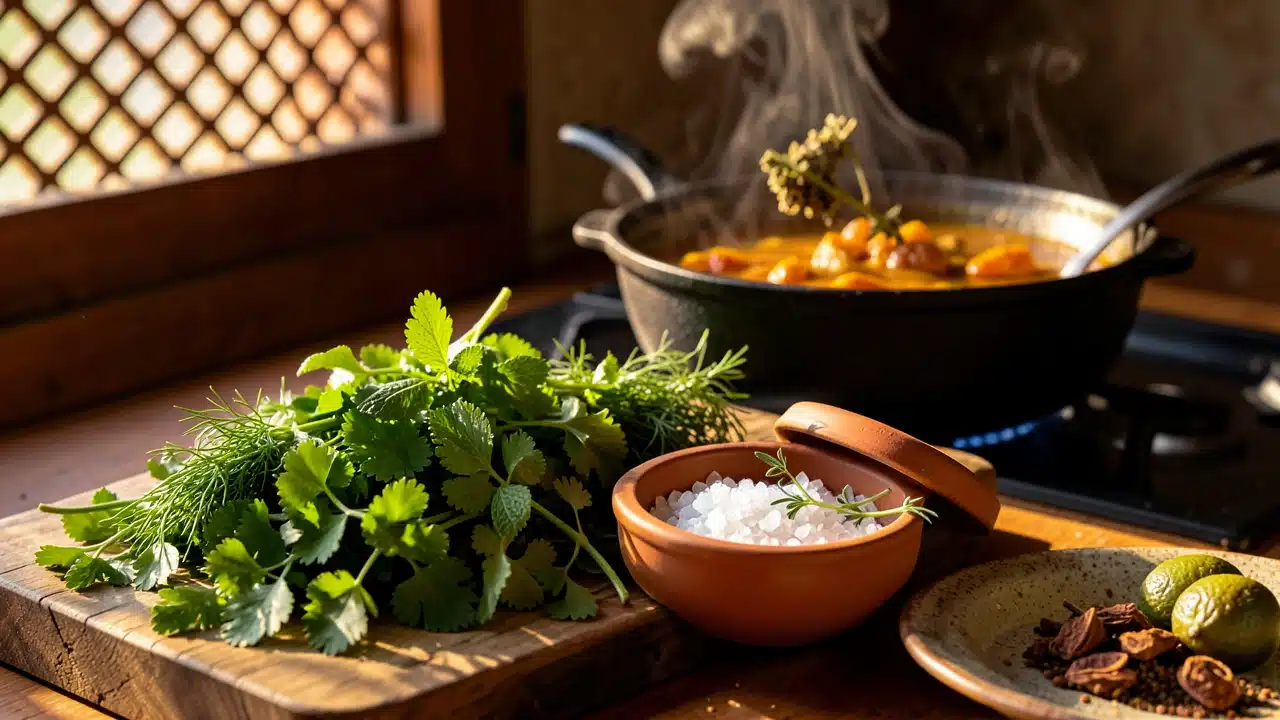
One of the most rewarding aspects of using the salt box method is having these flavorful herbs ready for your cooking.
When you need preserved herbs for a recipe, you’ll need to rinse off the excess salt. This is a simple step that prepares them for immediate use.
The amount of salt to rinse off will depend on how salty they are and your personal preference.
Rinsing the Herbs: Take the amount of herbs you need from the container. Place them in a fine-mesh sieve. Rinse them under cool running water for a minute or two.
Gently shake off any excess water. You can also pat them dry with a paper towel if needed.
Chopping and Adding: After rinsing, you can chop the herbs as you would fresh ones. The texture might be a little softer than fresh herbs, but the flavor will be concentrated and delicious. Add them to your dishes during the cooking process or as a garnish.
Flavor Profile: The salt used in preservation adds a subtle savory depth to the herbs. This works wonderfully in Moroccan dishes, which often benefit from a touch of saltiness.
You might find you need to adjust the amount of added salt in your recipe slightly, depending on how much preserved herb you use.
In Tagines and Stews: Add rinsed and chopped preserved cilantro or parsley towards the end of cooking. They will infuse the dish with their classic aromatic notes. This is perfect for lamb tagines, chicken tagines, or vegetable stews.
In Salads and Dressings: While best used in cooked dishes, finely chopped preserved herbs can add a burst of flavor to grain salads or dressings. The rinsing process helps remove most of the salt, leaving behind the herb’s essence.
In Marinades: Incorporate rinsed and chopped herbs into marinades for meats or poultry. They will contribute to a complex flavor profile that is characteristic of Moroccan cuisine.
The Salt Box Method for Preserving Fresh Herbs in Moroccan Cooking ensures you can enjoy these authentic flavors year-round, making your cooking more convenient and delicious.
Comparing Salt Preservation to Other Methods
There are several ways to preserve herbs, each with its own pros and cons. Understanding how the Salt Box Method for Preserving Fresh Herbs in Moroccan Cooking stacks up against others can help you choose the best approach for your needs.
| Flavor Retention | Excellent, slightly salty | Good, can be less intense | Excellent, fresh-like | Good, can be watery |
| Texture | Slightly softened | Brittle, crumbly | Soft, oily | Mushy, watery |
| Ease of Use | Very Easy | Easy | Easy | Easy |
| Shelf Life | Months to a year | Months | 6-12 months | 4-6 months |
| Best for | Sturdy herbs (cilantro, parsley, mint) | Heartier herbs (rosemary, thyme) | Most herbs, bright flavor | Delicate herbs (basil, chives) |
| Additional Flavor | Slight saltiness | None | Herb and oil flavor | None |
As you can see from the table, the Salt Box Method for Preserving Fresh Herbs in Moroccan Cooking excels in simplicity and shelf life for the most common Moroccan herbs. For official guidance, refer to government food preservation safety tips for proper storage methods.
While freezing in oil might offer a fresher taste, it can be more expensive and requires more preparation. Drying is great for certain herbs but can alter their flavor more significantly.
Tips for Success with the Salt Box Method
To get the most out of your herb preservation, keep these tips in mind. They will help ensure your herbs stay flavorful and usable for longer. The Herb Society offers valuable herb preservation resources for home cooks.
- Use High-Quality Salt: Coarse sea salt or kosher salt are best. They have larger crystals that work well and don’t add unwanted flavors.
- Ensure Herbs are Dry: Moisture is the enemy of preservation. Double-check that your herbs are thoroughly dried after washing.
- Cover Herbs Completely: Always make sure the salt layer is thick enough to fully cover the herbs. This is the most important step to prevent spoilage.
- Airtight is Key: Use containers that seal tightly. This keeps out air and moisture, protecting your preserved herbs.
- Label Your Jars: It’s a good idea to label each jar with the type of herb and the date you preserved it. This helps you keep track of your stock.
- Taste and Adjust: When using the preserved herbs, remember they are salty. Rinse them well and adjust the salt in your recipe accordingly.
- Start Small: If you’re new to this method, try preserving a small batch first. This allows you to get a feel for the process before committing to larger quantities.
Frequently Asked Questions Of Salt Box Method For Preserving Fresh Herbs In Moroccan Cooking
Question: What kind of salt is best for the salt box method?
Answer: Coarse sea salt or kosher salt is recommended. Avoid fine table salt as it can be too dense and may impart an unwanted flavor.
Question: Can I use the salt box method for basil?
Answer: It’s generally not recommended for delicate herbs like basil. Basil can become mushy and lose its distinct flavor. Freezing in oil is a better option for basil.
Question: How long do herbs preserved with the salt box method last?
Answer: When stored properly in an airtight container in a cool, dark place, herbs preserved using the Salt Box Method for Preserving Fresh Herbs in Moroccan Cooking can last for several months, often up to a year.
Question: Do I need to rinse the salt off before using the herbs?
Answer: Yes, always rinse the preserved herbs under cool water to remove excess salt before chopping and using them in your cooking.
Question: What if I see mold on my preserved herbs?
Answer: If you notice any signs of mold, it’s best to discard the entire batch. This usually indicates that the herbs weren’t fully covered in salt or that the container wasn’t sealed properly.
Question: Can I use the salt from the container after preserving herbs?
Answer: It’s not recommended to reuse the salt that has been in contact with the herbs. It may have absorbed impurities and can be too salty for general use.
Question: Is the Salt Box Method for Preserving Fresh Herbs in Moroccan Cooking safe?
Answer: Yes, the Salt Box Method for Preserving Fresh Herbs in Moroccan Cooking is a safe and traditional method of food preservation when done correctly, as salt inhibits the growth of harmful bacteria.
Final Thoughts
Keeping your favorite Moroccan herbs fresh is now simple with the salt box method. This technique offers a reliable way to store cilantro, parsley, and mint for months. You’ll save money and always have aromatic ingredients ready for your delicious meals. The salt box method preserving herbs is a traditional technique used in Moroccan cuisine.