The Science Behind the Rise Cycle Inside Bread Machines
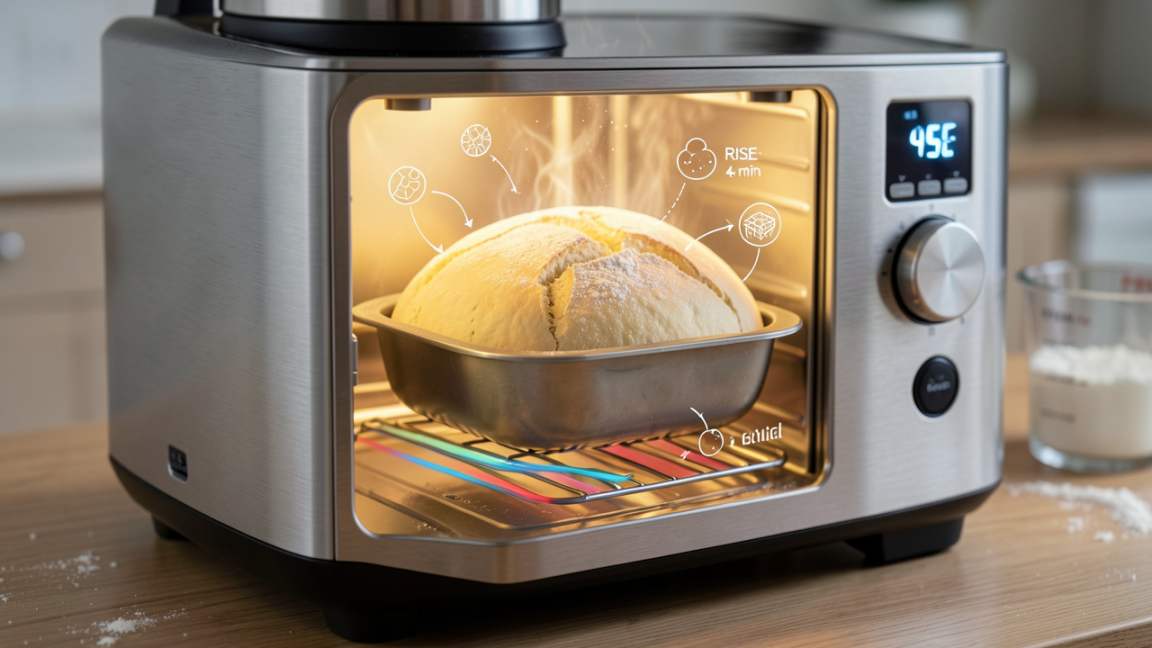
The rise cycle inside bread machines is a controlled process of yeast fermentation and gas expansion, where yeast consumes sugars and releases carbon dioxide that gluten traps to inflate the dough. The machine maintains a stable temperature between 75°F and 95°F to optimize yeast activity, while humidity prevents the dough surface from drying. Understanding these biological and chemical reactions allows bakers to prevent over-proofing and achieve consistent, airy bread.
Your bread machine creates the perfect environment for dough to rise. This post explains the biological and chemical reactions that happen during that process.
Simply put, the rise cycle inside a bread machine is a controlled process of yeast fermentation and gas expansion. The machine maintains a warm, stable temperature to activate yeast cells. These cells consume sugars and release carbon dioxide gas. This gas becomes trapped by gluten, causing the dough to inflate.
The Science Behind the Rise Cycle Inside Bread Machines is all about temperature control, yeast biology, and gluten chemistry. Understanding it helps you bake better bread every time.
Key Takeaways
- The rise cycle uses yeast fermentation to turn sugars into carbon dioxide gas, which expands the dough.
- Bread machines keep a steady temperature between 75掳F and 95掳F to optimize yeast activity.
- Gluten proteins trap the gas produced by yeast, giving bread its structure and airy texture.
- Over-proofing happens when dough rises too long, causing the gluten network to collapse.
- Humidity inside the machine stops the dough surface from drying out during the first rise.
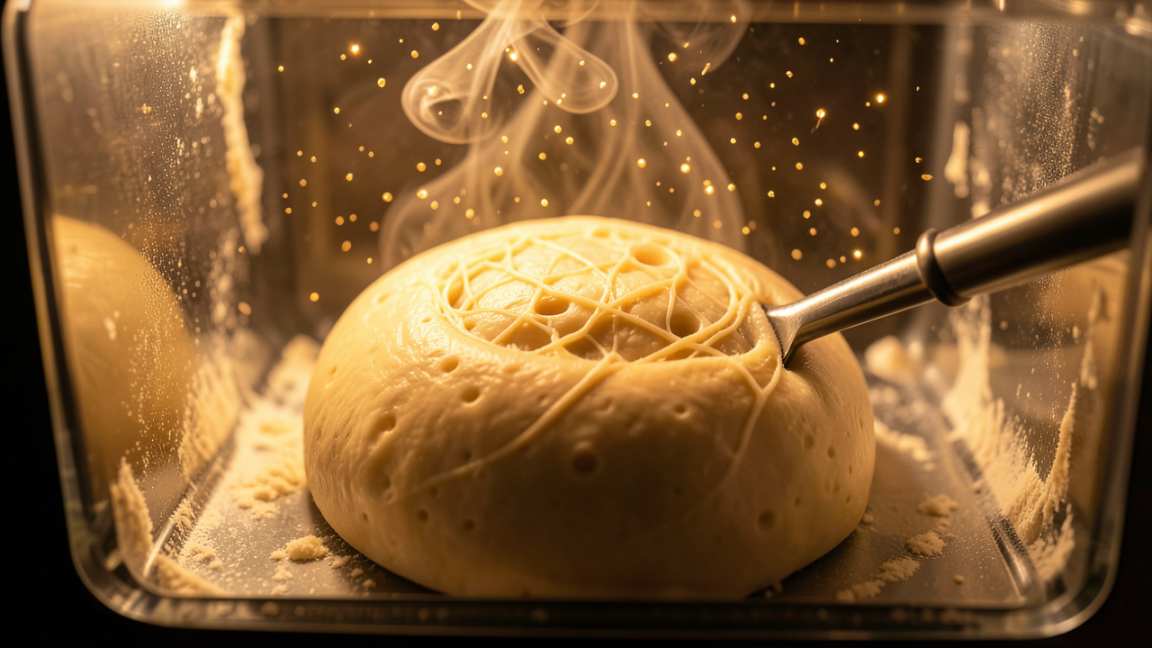
The Science of Yeast Fermentation
Yeast is a single-celled fungus. The specific strain used in baking is Saccharomyces cerevisiae. These cells are alive and dormant until you wake them up with water and food.
When you add water and sugar to the yeast, the cells begin to metabolize. This process is called fermentation. According to the, yeast cells consume simple sugars like glucose and fructose. They break these sugars down into carbon dioxide gas and ethanol.
The carbon dioxide creates bubbles inside the dough. These bubbles push against the gluten walls. The dough expands and rises. The ethanol gives bread some of its aroma. Most of the alcohol evaporates during the baking cycle.
Temperature and Yeast Activity
Temperature is the most critical factor in the rise cycle. Your bread machine uses a heating element and a sensor called a thermistor to maintain a precise temperature. If the dough is too cold, the yeast stays dormant. If the dough is too hot, the yeast dies.
Important: Yeast dies at temperatures above 130掳F. The best temperature for a steady rise is between 80掳F and 95掳F. Most bread machines target this range during the first and second rise cycles.
| Temperature Range | Yeast Activity Level | Effect on Dough |
|---|---|---|
| Below 50掳F | Dormant | Dough does not rise or rises extremely slowly. |
| 60掳F – 70掳F | Slow | Fermentation is slow. Good for flavor development but takes a long time. |
| 75掳F – 95掳F | Optimal | Fast, consistent rise. Most bread machines operate in this range. |
| Above 130掳F | Killed | The yeast cells die. The bread will be dense and flat. |
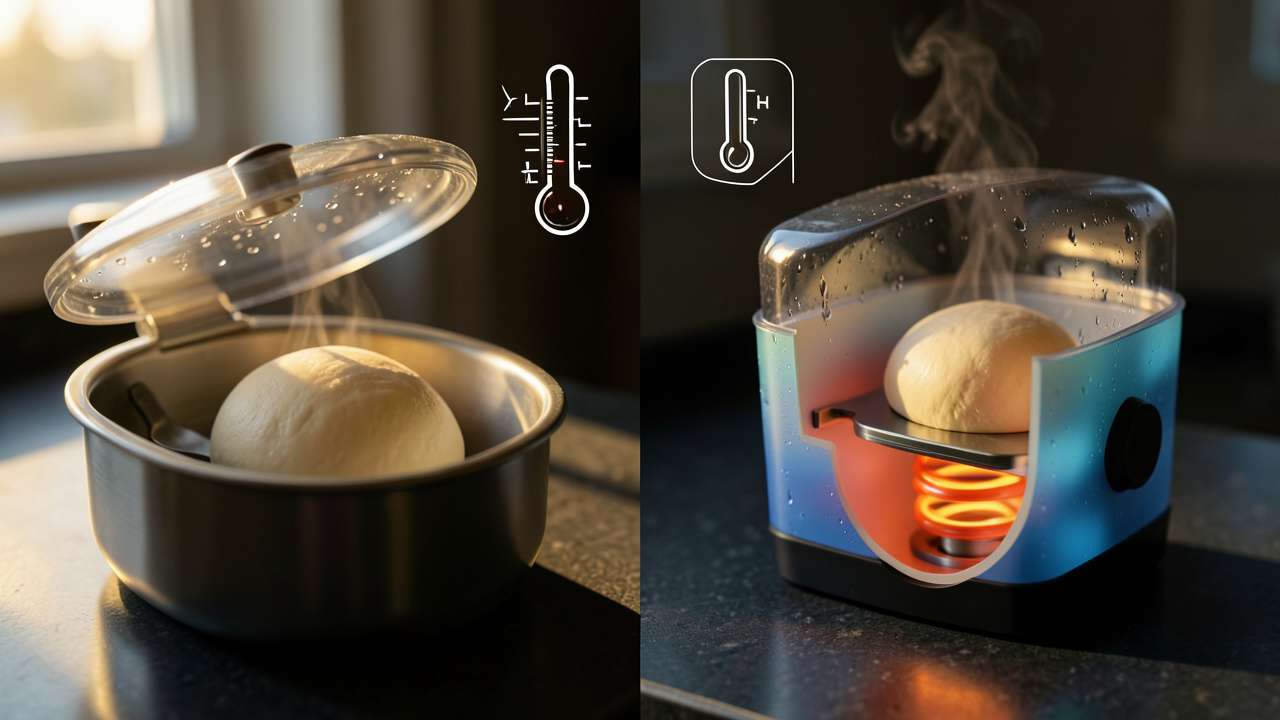
How Temperature and Humidity Affect the Dough Rise
Most bread machines have a sealed environment. This is important. A sealed chamber traps the heat and moisture released by the dough. The machine monitors the internal temperature using a thermistor. It turns the heating element on and off to keep the temperature stable.
Humidity is just as important as temperature. If the air is too dry, the outer layer of the dough forms a skin. This skin stops the dough from expanding. According to research on baking science, a relative humidity of 75% to 85% inside the machine prevents this crust from forming. The dough stays soft and elastic.
Some advanced bread machines have a separate heating element for the top of the pan. This helps manage the heat distribution. The Science Behind the Rise Cycle Inside Bread Machines depends on this even heat. Without it, the top of the dough might be cooler than the bottom. The rise would be uneven.
The Role of Gluten in the Rise Cycle
Gluten is a network of proteins. When you add water to wheat flour, two proteins call glutenin and gliadin bond together. This creates gluten. Kneading and mixing in the bread machine helps these bonds form.
As the yeast produces carbon dioxide, the gas pushes against the gluten walls. The gluten stretches and holds the gas inside. Think of gluten like a rubber balloon. It expands as more gas fills it. If you let the dough rise too long, the balloon becomes too thin. It eventually breaks. This is called over-proofing.
The notes that the quality of the gluten network directly affects the final bread volume. A strong gluten network traps more gas. This leads to a taller, lighter loaf. A weak network allows gas to escape. This results in a dense bread.
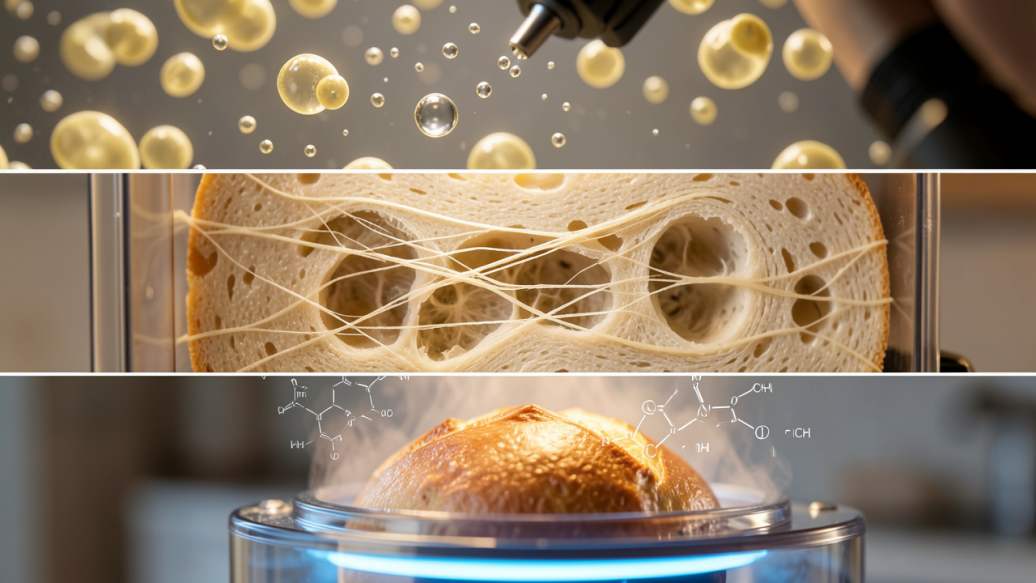
What Are the Biological and Chemical Reactions During the Rise?
Several reactions happen at the same time inside your bread machine. They do not just happen in order. They overlap and affect each other.
Enzymatic Activity
Flour contains natural enzymes. The most important ones are amylases. These enzymes break down complex starches in the flour into simple sugars. The yeast then feeds on these simple sugars. This process provides a steady food source for the yeast throughout the rise cycle.
If the flour does not have enough natural sugars, the yeast runs out of food. The rise stalls. This is why some recipes add a small amount of sugar or honey. It gives the yeast a direct food source while the enzymes work.
Gas Production and Retention
Yeast produces carbon dioxide and ethanol. Carbon dioxide is a gas. It forms tiny bubbles throughout the dough. The gluten network traps these bubbles. As more gas is produced, the bubbles grow bigger. The dough expands.
According to a study from the, the rate of gas production peaks in the first 60 to 90 minutes of fermentation. The bread machine timing is designed to capture this peak activity. The long, slow final rise helps even out the bubbles for a consistent crumb.
Ethanol and Flavor Development
Ethanol is a byproduct of yeast fermentation. It is a liquid alcohol. Some of it evaporates during the rise cycle. The rest evaporates during baking. The ethanol contributes to the complex aroma of the bread. It reacts with other compounds to create the sour, tangy notes in artisan loaves.
Longer, slower rise cycles produce more ethanol and more flavor. This is why some bread machines have a “delayed start” or “artisan” setting. They allow for a cooler, longer fermentation period.
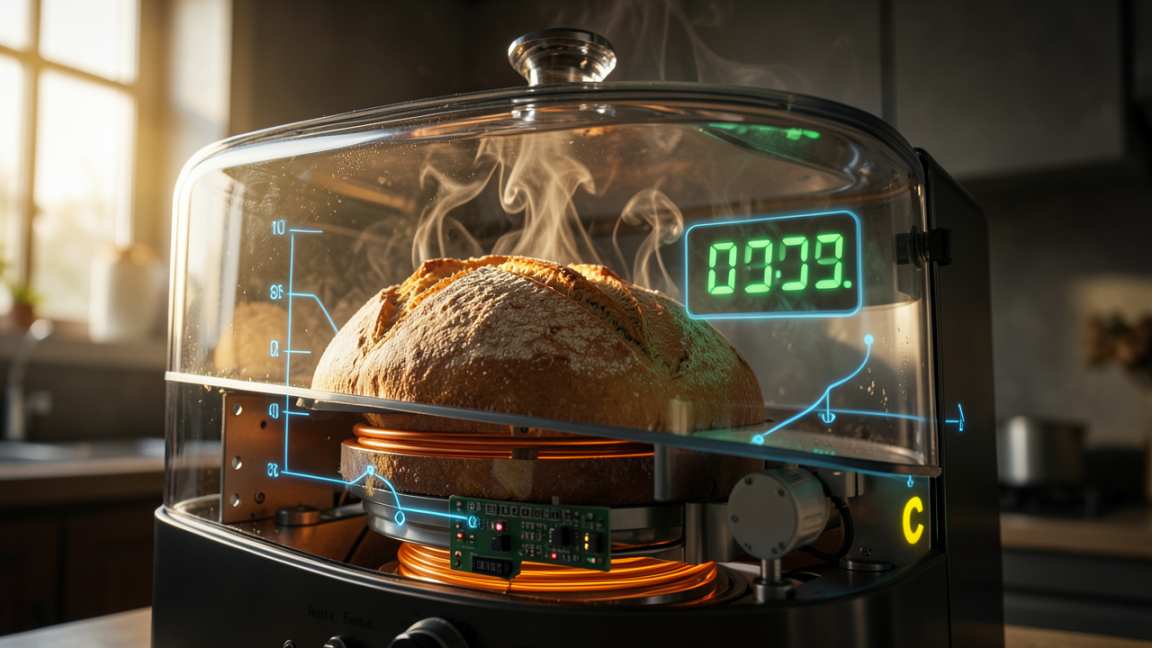
Why Does Timing Matter?
The bread machine follows a strict program. The timing of each rise is calculated based on the total weight of the dough and the ingredients you use. Getting the timing right is essential for a good loaf.
Under-Proofing
Under-proofing happens when the dough does not rise enough. The yeast has not had enough time to produce sufficient gas. The gluten has not stretched enough. The result is a small, dense, heavy loaf. The crust might be too thick because the oven heat hits a small, compact mass.
Over-Proofing
Over-proofing happens when the dough rises too long. The gluten network becomes overstretched and weak. The top of the dough may collapse. When the bread starts baking, the heat kills the yeast. Without new gas being produced, the volume of the bread actually shrinks. You get a flat loaf with a tough texture.
Warning: If your bread machine is in a very hot room or near an oven, the ambient temperature can push the internal dough temperature too high. This speeds up fermentation and can lead to over-proofing before the machine finishes its cycle.
Signs of a Perfectly Proofed Dough
- The dough has doubled in size in the bread pan.
- The top of the dough is smooth and slightly dome-shaped.
- When you gently press the dough with your finger, it springs back slowly.
- There are small bubbles visible just under the surface of the dough.
- The dough feels light and airy, not dense or heavy.
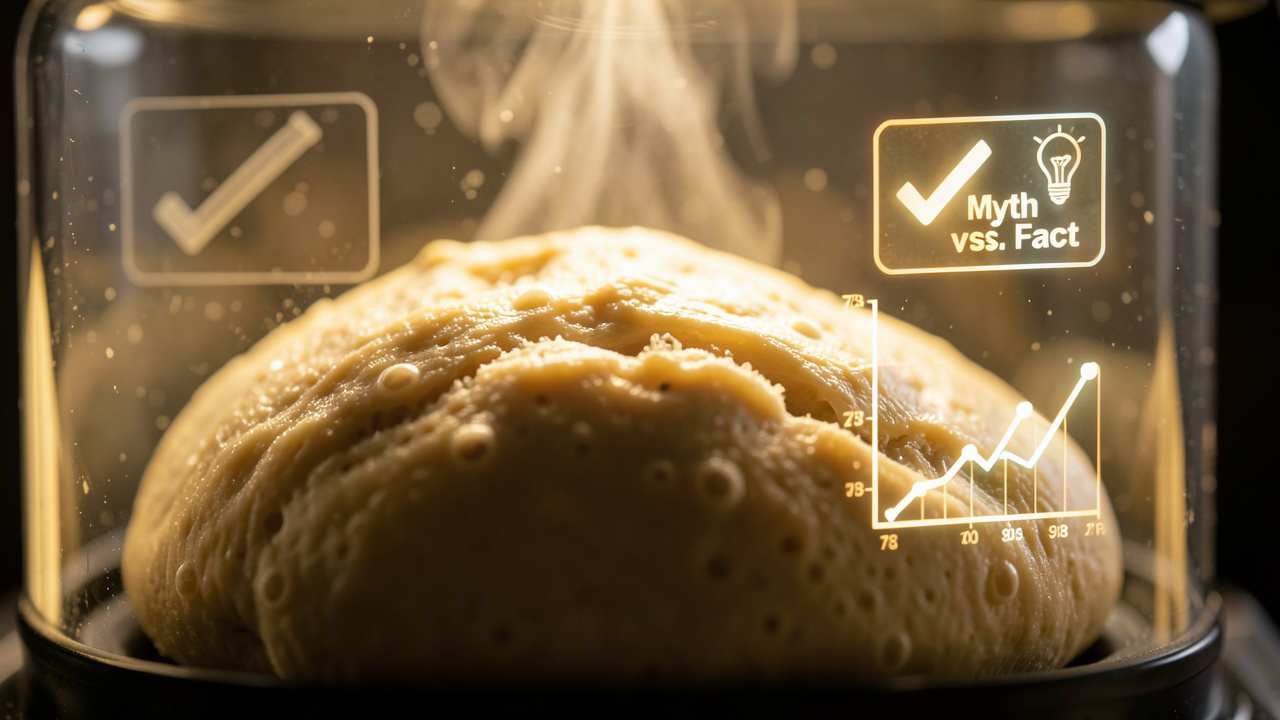
Common Myths and Facts About the Rise Cycle
There are many misunderstandings about how the rise cycle works. Here are three of the most common myths, explained with science.
Myth 1: More Yeast Means a Better Rise
Many people think adding extra yeast will make the bread rise taller. This is false. Adding too much yeast produces too much gas too quickly. The gluten network cannot hold the volume. The dough collapses. The bread often has a strong, sour, yeasty taste.
Fact: The right amount of yeast combined with the correct rising time gives the best structure. Most bread machine recipes use about 1 to 2 teaspoons of active dry yeast per loaf.
Myth 2: The Rise Cycle is Only About Yeast
It is easy to focus only on the yeast. But the entire process involves multiple parts. The flour provides the food. The water activates the enzymes. The salt controls the fermentation rate. The gluten captures the gas.
Fact: The rise cycle is a system. The yeast is the engine, but the gluten, enzymes, and temperature controls are equally important parts of the machine.
Myth 3: You Cannot Open the Lid During the Rise
It is true that opening the lid lets heat and humidity escape. This can slow down the rise. However, it does not ruin the bread immediately. The machine usually compensates by adding extra time to the cycle.
Fact: Opening the lid briefly to check the dough is okay. Doing it repeatedly will cause problems. The sudden drop in temperature can shock the yeast, and dry air will form a crust on the dough surface.
Pro Tips for the Best Rise
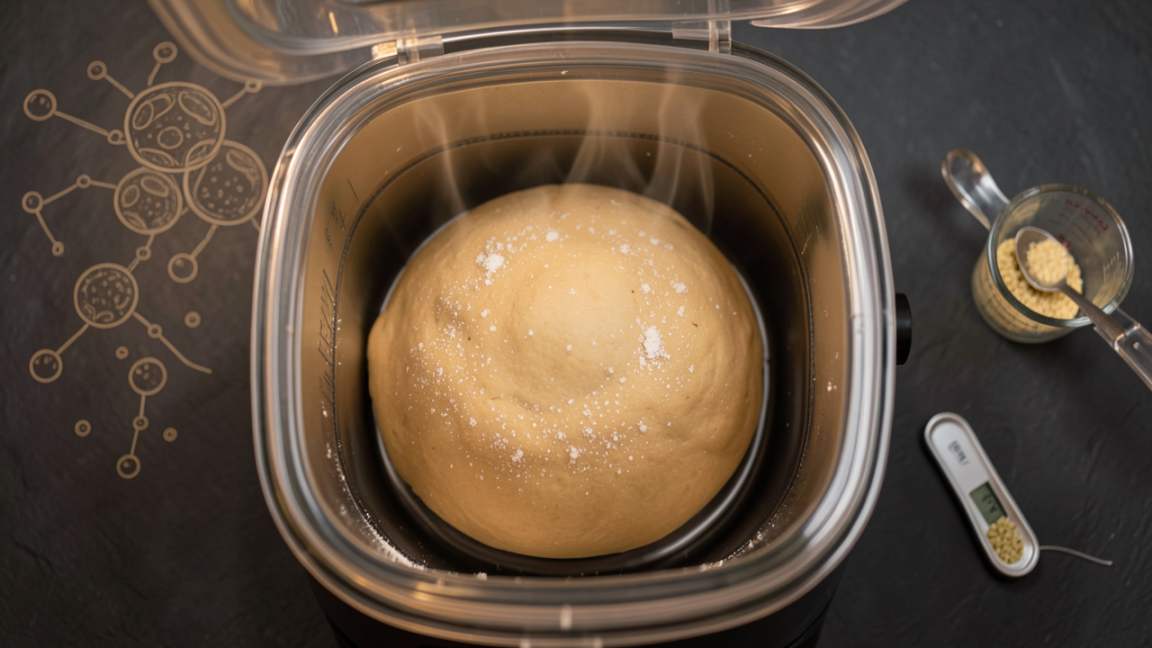
Knowing the science helps you control the result. These tips will help you get the best rise from your bread machine every time.
- Use room temperature liquids. Cold water from the tap can shock the yeast and slow the activation. Use water at around 70掳F to 80掳F for the fastest, most reliable start.
- Check your yeast freshness. Expired yeast loses its potency. According to manufacturers, active dry yeast stored properly lasts about one year. Instant yeast lasts about two years.
- Weigh your ingredients. Volume measurements for flour can vary by 20% or more depending on how you scoop. A digital scale gives consistent results every time. Use 120 grams of all-purpose flour for each cup.
- Add salt separately from yeast. Salt kills yeast on contact. The best practice is to add the flour first, then the salt on one side of the pan, and the yeast on the other side. This keeps them separate until the mixing starts.
- Try the sponge method. For a lighter loaf, mix the water, yeast, and a cup of flour in the pan. Let it sit for 20 minutes before adding the other ingredients. This gives the yeast a head start.
Frequently Asked Questions
Why did my bread collapse in the middle?
This is usually a sign of over-proofing. The dough rose too much, and the gluten structure broke. To fix this, use a little less yeast or reduce the liquid slightly. Make sure your bread machine is in a cool, stable location.
Can I use rapid rise yeast in a bread machine?
Yes, you can use instant yeast or rapid rise yeast. These products have smaller granules. They activate faster. You need to use about 25% less instant yeast than active dry yeast. Check your machine’s manual for the best setting.
Does high altitude affect the rise cycle?
Yes, altitude changes the science behind the rise. At higher altitudes, the air pressure is lower. Gas bubbles expand more easily. This causes dough to rise too fast. Reduce the yeast by about 25% and decrease the liquid slightly for altitude above 3000 feet.
Why is my bread dense and heavy?
Dense bread often results from under-proofing or dead yeast. The dough did not have enough gas inside it. Other common causes include old flour with low gluten content or not enough water. Try using bread flour, which has a higher protein content.
What type of yeast is best for bread machines?
Bread machine yeast or instant yeast is the best choice. These are finely ground and do not need to be dissolved in water first. Active dry yeast works but needs to be dissolved in warm water for about 5 minutes before adding it to the machine.
Final Thoughts
The Science Behind the Rise Cycle Inside Bread Machines is a balance of yeast activation, gluten strength, and temperature control. A consistent temperature between 75掳F and 95掳F allows yeast to produce gas efficiently. Understanding these principles helps you fix common mistakes and bake a taller, lighter loaf. Experiment with your machine’s settings to find the perfect cycle for your recipes.