How Fat Content Changes the Final Ice Cream Maker Texture
Fat content directly determines whether ice cream from a maker turns out creamy and scoopable or hard and icy, because higher fat reduces ice crystal size and increases overrun. Lower fat levels produce larger ice crystals and less overrun, resulting in a harder, icier texture that is less pleasant to scoop. For optimal texture, aim for 10 to 18 percent butterfat by adjusting the cream-to-milk ratio and consider adding egg yolks to improve body in lower-fat recipes.
Fat content decides whether your homemade ice cream turns out silky and scoopable or hard and icy. This guide explains the science of how different fat levels change texture in an ice cream maker and how to adjust recipes for the perfect result.
Simply put, higher fat content in ice cream creates smaller ice crystals, more overrun, and a creamier texture. Lower fat content produces larger ice crystals, less overrun, and a harder, icier final product. Fat also affects the freezing point and the mouthfeel of your ice cream.
Key Takeaways
- Higher fat content in ice cream base leads to smaller ice crystals and a noticeably smoother texture after churning.
- Lower fat content causes larger ice crystal formation, resulting in an icier and harder final ice cream texture.
- Fat levels between 10% and 18% butterfat create distinctly different results in overrun, scoopability, and mouthfeel.
- Adjusting cream-to-milk ratios and adding egg yolks are effective ways to control fat content in homemade ice cream.
- Stabilizers can help improve texture in low-fat recipes but cannot fully replicate the creaminess of high-butterfat ice cream.
What Is Fat Content in Ice Cream?
Fat content refers to the percentage of butterfat in your ice cream base. How fat content changes the final ice cream maker texture starts with understanding this key ingredient. Butterfat comes from the cream and milk you use in the recipe.
The requires ice cream to contain at least 10% milkfat to meet the standard of identity. Premium ice creams typically contain 14% to 18% butterfat. Super-premium brands can reach 20% or higher.
According to the, the butterfat level directly affects the richness, texture, and overall eating experience of ice cream. Fat also carries flavor compounds, making high-fat ice cream taste fuller and more satisfying.
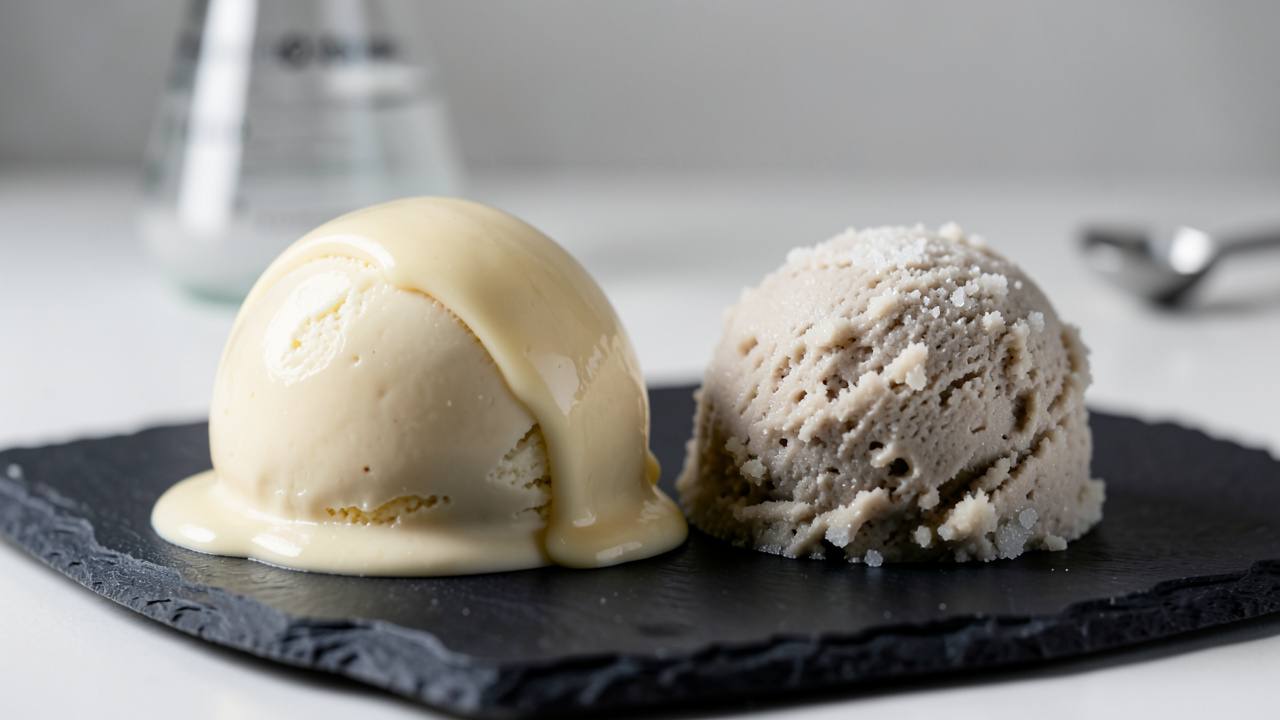
How Does Fat Affect Ice Cream Texture?
Fat plays several critical roles during the churning and freezing process. Understanding each role helps you control the final texture.
Ice Crystal Size
Fat globules physically interfere with ice crystal growth. When the mixture freezes, fat molecules get between water molecules. This prevents large ice crystals from forming. Higher fat content means more interference and smaller ice crystals.
According to research from the, ice crystal size is one of the most important factors in perceived creaminess. Crystals smaller than 50 microns feel smooth on the tongue. Larger crystals create a gritty or icy sensation.
Tip: To minimize ice crystals in low-fat recipes, freeze your ice cream base for at least 4 hours before churning. A colder start leads to faster freezing and smaller crystals.
Overrun
Overrun is the amount of air incorporated into ice cream during churning. Higher fat content stabilizes the air cells. This means you can whip more air into the mixture without it collapsing. More overrun creates a lighter, fluffier texture.
Standard ice cream has about 50-80% overrun. Premium ice cream has 20-40% overrun. Low-fat ice cream often has higher overrun but a less stable foam structure.
Warning: Too much overrun in low-fat ice cream creates a foamy, airy texture that melts quickly. Do not over-churn low-fat bases expecting the same result as full-fat recipes.
Freezing Point Depression
Fat does not directly lower the freezing point. But higher fat content means less water in the mixture. Less water means less ice forms overall. The result is a softer, more scoopable ice cream straight from the freezer.
Sugars and other solids also affect freezing point depression. Fat content works alongside these ingredients to create the final texture.
Mouthfeel and Body
Fat coats the tongue and provides a smooth, rich sensation. This is called mouthfeel. Higher fat content gives the ice cream more body and a thicker texture. Low-fat ice cream can feel thin or watery by comparison.
shows that consumers consistently rate high-fat ice cream higher in creaminess and overall preference. Texture is the primary driver of these ratings.
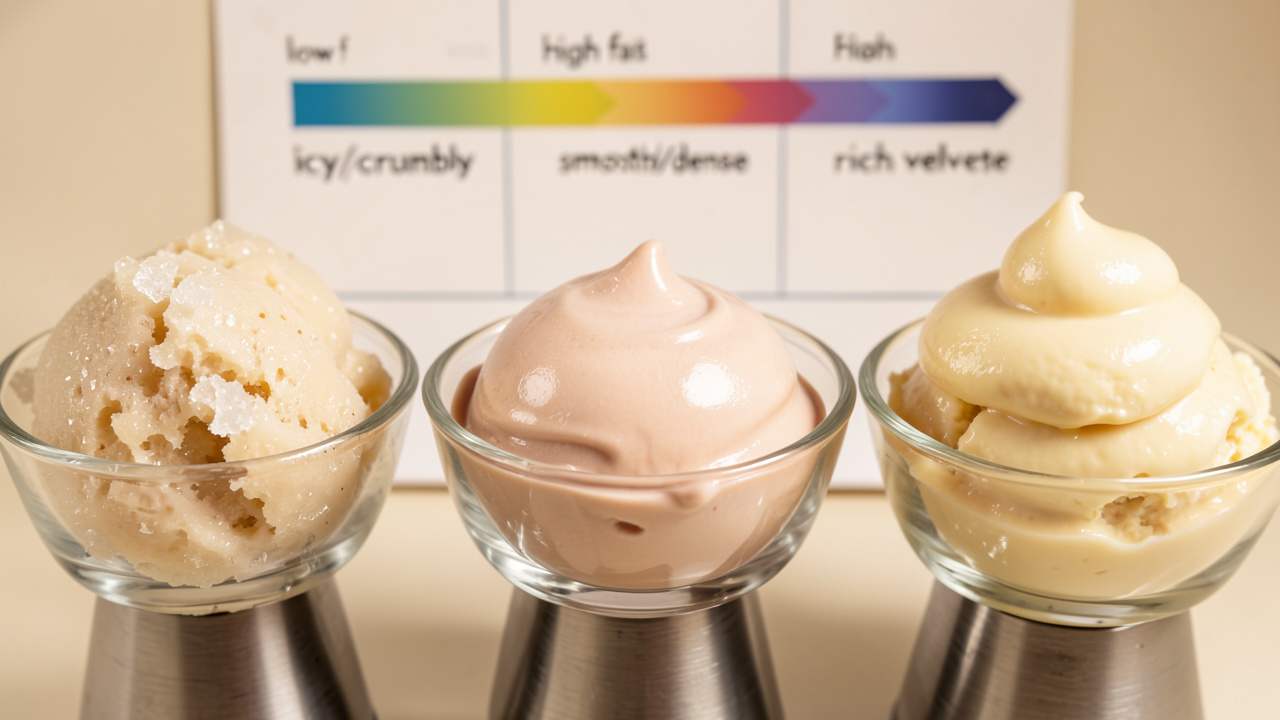
Types of Fat Levels and Their Effects
Different fat levels produce distinctly different results. The table below summarizes the key differences.
| Fat Level | Butterfat Percentage | Ice Crystal Size | Texture Result |
|---|---|---|---|
| Low Fat | 5-8% | Large (100+ microns) | Icy, hard, brittle |
| Standard | 10-12% | Medium (50-100 microns) | Smooth, scoopable |
| Premium | 14-18% | Small (30-50 microns) | Creamy, rich, dense |
| Super Premium | 18-22% | Very small (under 30 microns) | Ultra creamy, luxuriously smooth |
Who Needs to Worry About Fat Content
You should care about fat content if you want consistent, predictable results from your ice cream maker. This applies to several groups of people.
- Home cooks who want their ice cream to turn out creamy and scoopable every time need to track fat percentages.
- Bakers and pastry chefs who use ice cream as a component in desserts require precise texture control for plating and storage.
- People on special diets who use reduced-fat or non-dairy milk alternatives need to understand how to compensate for lower fat levels.
- Small business owners making artisanal ice cream must match fat content to their target market and price point.
- Food bloggers and recipe developers need accurate fat data to create reproducible recipes for their audience.
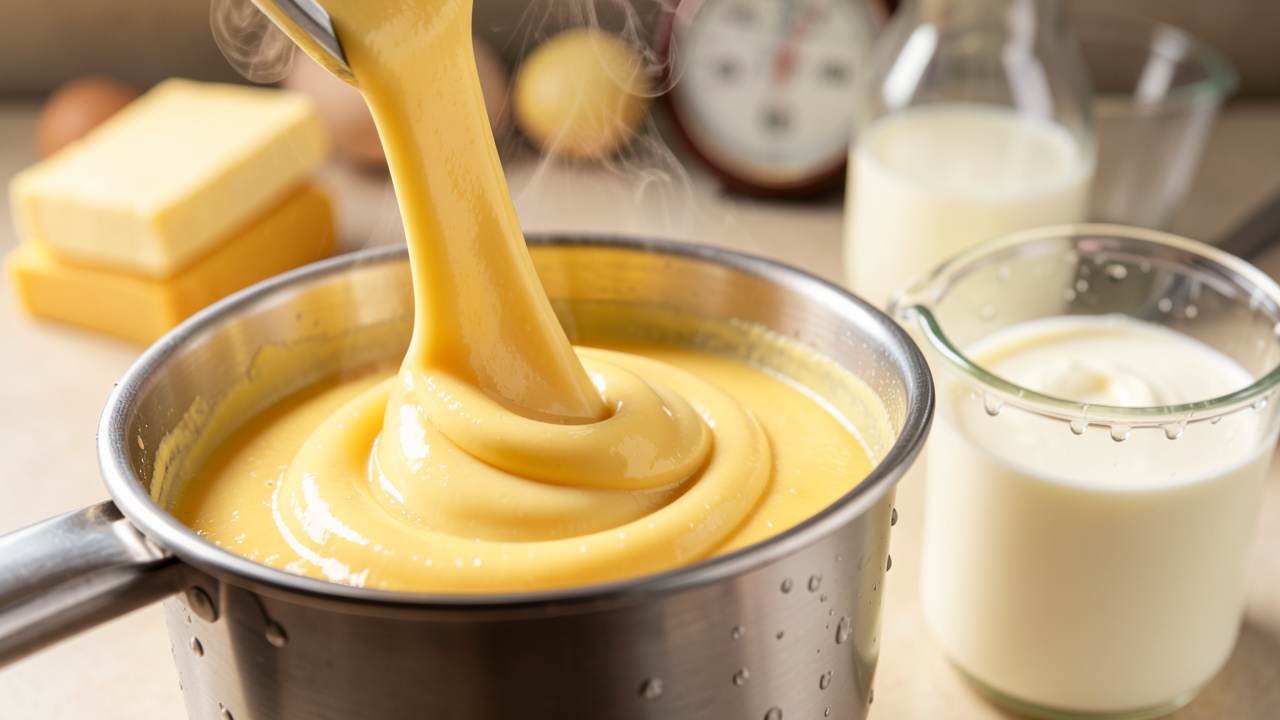
How to Adjust Fat Content in Your Recipes
Changing fat content is simple once you understand the ratios. Follow these steps to get the texture you want.
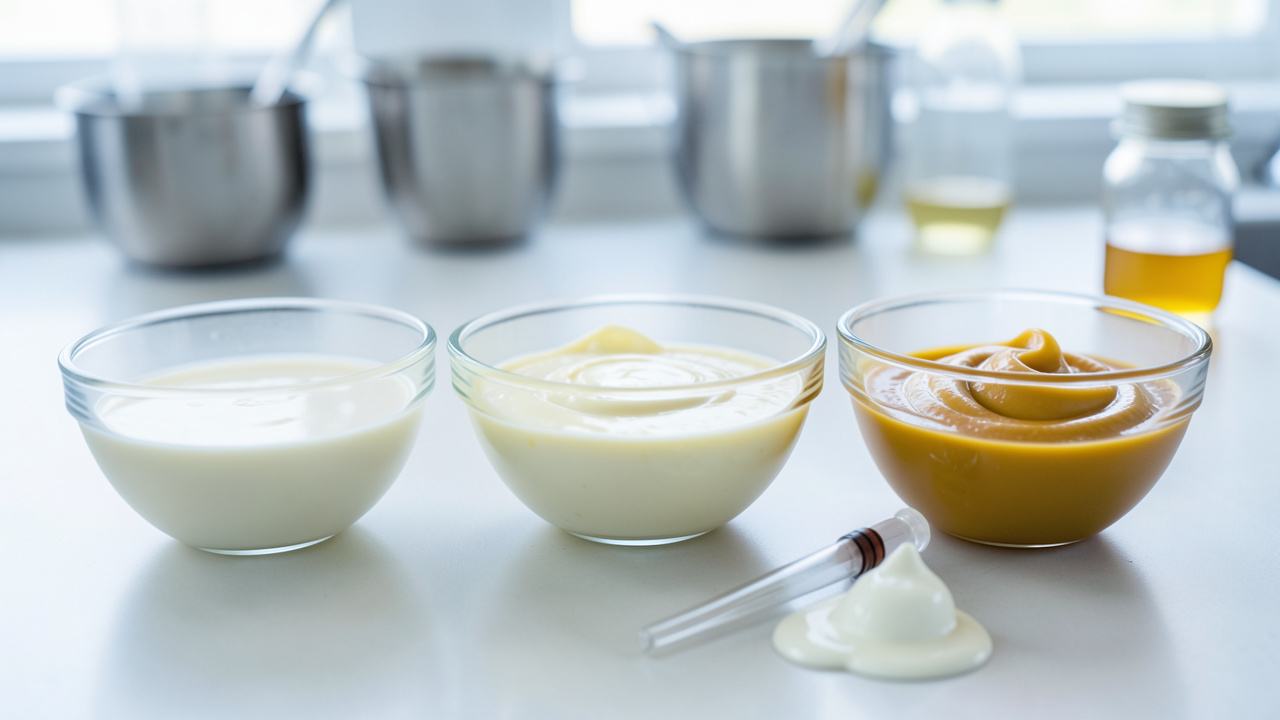
- Calculate your base fat percentage. Heavy cream has about 36-40% butterfat. Whole milk has about 3.25%. Mix them in different ratios to hit your target.
- Start with a standard 10% base. Use 1 cup heavy cream and 1 cup whole milk. This gives you roughly 10-12% butterfat depending on your exact ingredients.
- Increase fat for premium texture. Use 1.5 cups heavy cream and 0.5 cups whole milk. This pushes fat content to about 14-16%.
- Add egg yolks for extra richness. Each egg yolk adds about 5 grams of fat. Four yolks in a standard recipe add roughly 1-2% more butterfat.
- Use stabilizers for low-fat recipes. Add 1/4 teaspoon of guar gum or xanthan gum per quart of base to improve texture when using lower fat milk.
- Age your base overnight. Let the mixture rest in the refrigerator for 12-24 hours. This allows fat globules to coalesce and stabilizers to hydrate, improving churn results.
Important: Fat content is not the only factor that affects texture. Sugar, stabilizers, and churning time also play significant roles. Adjust these in combination with fat for the best results.
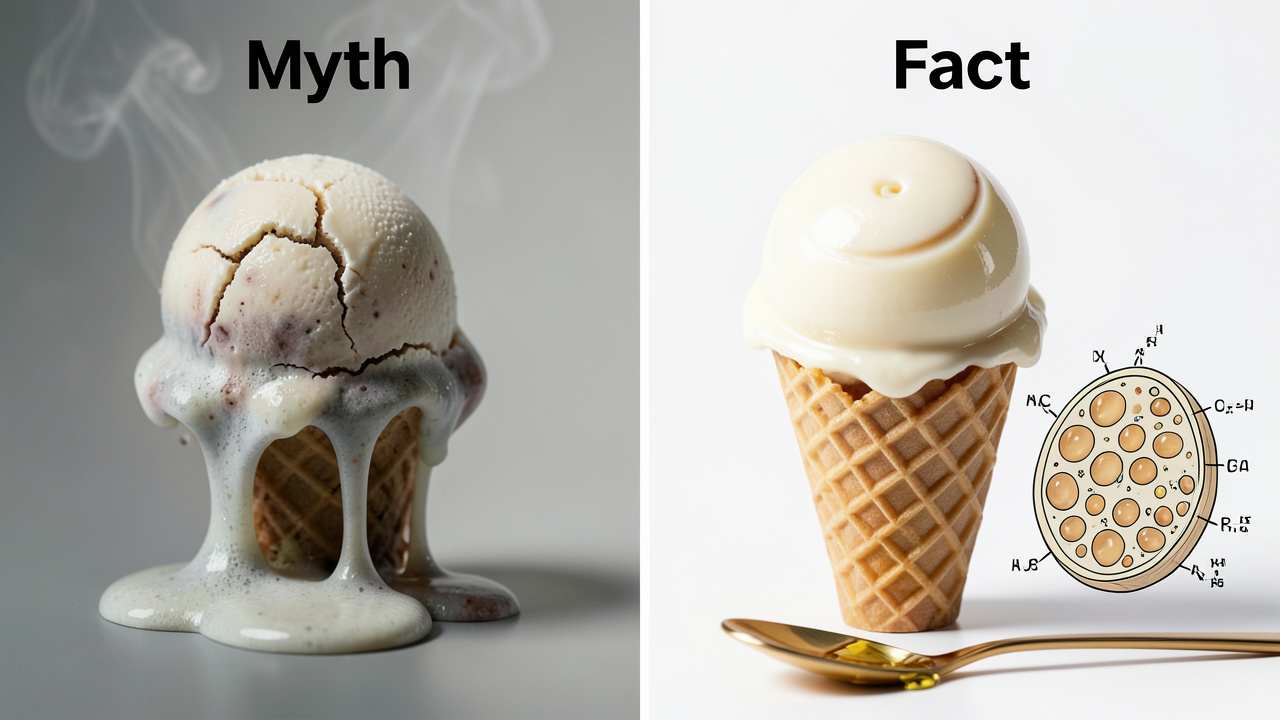
Common Myths vs Facts About Fat and Texture
Myth: More fat always means better texture
Fact: Very high fat content above 20% can create a greasy, heavy texture that coats the mouth unpleasantly. The sweet spot for most recipes is 14-18% butterfat. Above this range, the ice cream becomes too dense and melts too slowly on the tongue.
Myth: Low-fat ice cream can taste and feel exactly like full-fat
Fact: No combination of stabilizers and gums can fully replicate the mouthfeel and creaminess of natural butterfat. How fat content changes the final ice cream maker texture is a physical reality. Low-fat recipes can be improved but will always have a different texture.
Myth: All fats work the same way in ice cream
Fact: Different fat sources produce different textures. Butterfat from cream creates a smooth, clean melt. Coconut oil creates a firmer texture with a different melt profile. Nut butters add solids that affect overrun and ice crystal formation.
Resources and Tools
Use these tools and references to fine-tune your ice cream recipes.
- Ice Cream Calculator – A web tool that calculates butterfat percentage, overrun, and freezing point based on your ingredient ratios.
- Underbelly Ice Cream Base Calculator – A spreadsheet template for precisely formulating ice cream bases with target fat and solids.
- IDFA Ice Cream Resources – Industry guides and standards from the International Dairy Foods Association.
- FDA Ice Cream Standards – Official regulatory definitions and standards of identity for ice cream products.
Frequently Asked Questions
What is the ideal fat percentage for homemade ice cream?
The ideal range for most home recipes is 14-18% butterfat. This produces a creamy texture that scoops well straight from the freezer. Lower than 10% gives you icy results. Higher than 20% can feel greasy.
How does fat content affect how quickly ice cream melts?
Higher fat ice cream melts more slowly because fat has a higher melting point than water ice. It also provides a richer mouthfeel during melting. Lower fat ice cream melts faster and can taste watery as it liquefies.
Can I use coconut cream for dairy-free ice cream?
Yes, coconut cream contains about 34% fat, similar to heavy cream. It creates a firm, scoopable texture. However, the melt profile is different, and the coconut flavor may come through. According to food science research, coconut fat behaves differently from butterfat during churning.
Do I need to adjust my ice cream maker for different fat levels?
No, the machine settings stay the same. But you may need to adjust churning time. High-fat bases often churn faster because they freeze at a higher temperature. Low-fat bases need longer churning to incorporate air and reach the right consistency.
What happens if I use only heavy cream in my ice cream?
Using only heavy cream (36-40% fat) creates an extremely rich, dense ice cream with very small ice crystals. It will be very hard when frozen and may take 10-15 minutes to soften at room temperature. Many people find this texture too heavy for everyday eating.
Final Thoughts
Fat content is the single most important variable you control when making ice cream with an ice cream maker. Higher fat levels give you smaller ice crystals, more overrun stability, and a creamier final texture. Lower fat levels require more careful technique and often benefit from stabilizers. Master the fat ratios in your recipes, and you will get consistent, professional-quality results every time.