
Open-Concept Modern Kitchen: Benefits, Drawbacks, And Design Tips
Have you ever felt cramped in your kitchen, wishing you could entertain guests while still prepping dinner?
Many homeowners dream of a kitchen that feels more connected to the rest of their living space. This desire for a more open and functional home often leads people to consider an Open-Concept Modern Kitchen: Benefits, Drawbacks, and Design Tips.
By exploring this popular design trend, you can learn how to create a more inviting and efficient home. This guide will help you understand the advantages, potential challenges, and smart ways to design such a space, ultimately making your time at home more enjoyable and increasing your home’s appeal.
Key Takeaways
- Open-concept kitchens blend cooking, dining, and living areas for a spacious feel.
- This design promotes better social interaction and a more modern aesthetic.
- Potential drawbacks include noise, cooking odors, and the need for constant tidiness.
- Strategic design choices are key to overcoming challenges and maximizing benefits.
- Successful open-concept kitchens require thoughtful planning for lighting, storage, and flow.
- This layout can increase a home’s perceived value and appeal to buyers.
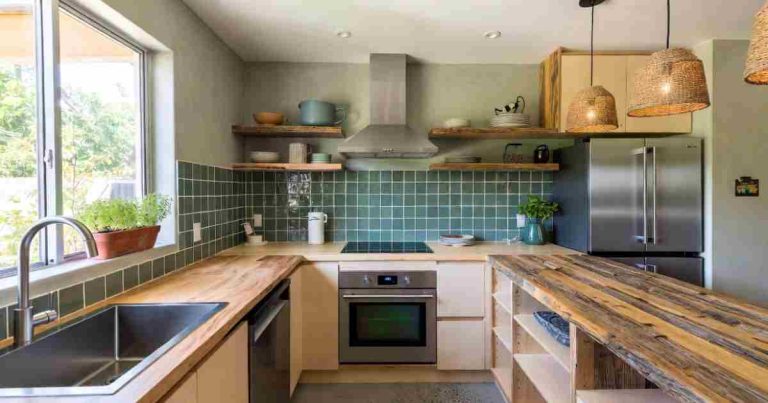
![Open Concept Modern Kitchen Benefits, Drawbacks, And Design Tips[1]](https://kitchentoolslab.com/wp-content/uploads/2026/05/Open-Concept_Modern_Kitchen__Benefits_Drawbacks_And_Design_Tips1.jpg)
What is an Open-Concept Kitchen?
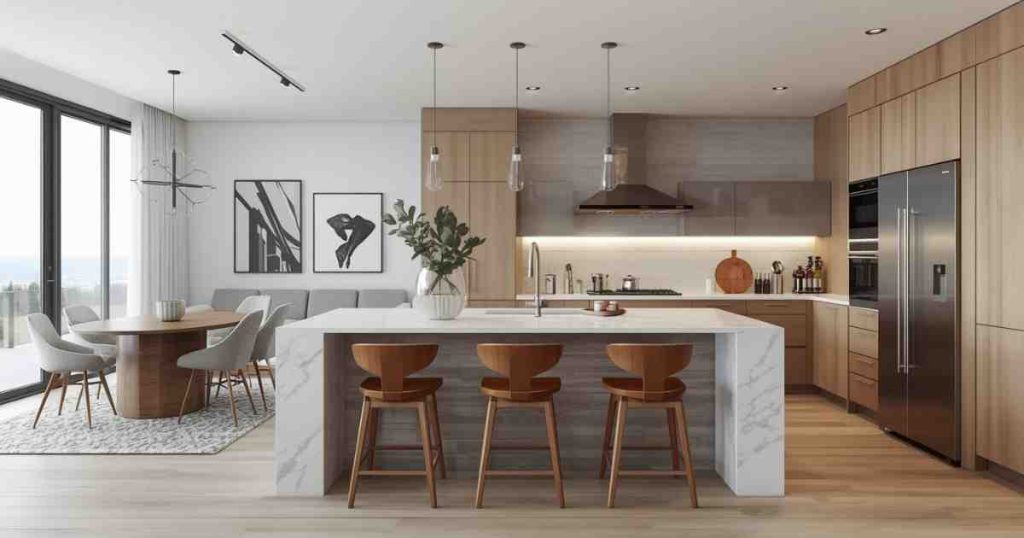
An open-concept kitchen is a home design where the kitchen area flows directly into other living spaces like the dining room or living room.
There are few or no walls separating these areas. This creates a large, unified space that feels airy and connected. It’s a popular choice for modern homes because it makes entertaining easier.
People can talk and interact with the cook while enjoying the main living area. This design makes smaller homes feel much larger. It also allows more natural light to fill the entire space. The goal is to create a central hub for family life and social gatherings.
The Evolution of Kitchen Design
Historically, kitchens were often separate, enclosed rooms. They were seen as purely functional spaces for cooking. This changed over time as families spent more time together. The kitchen started to become a more social area.
The mid-20th century saw the rise of open-plan living. This trend embraced the idea of homes where rooms flowed into each other.
The open-concept kitchen became a symbol of this modern lifestyle. It reflected a shift towards a more casual and connected way of living.
Defining the Modern Aspect
The “modern” in open-concept modern kitchen refers to the style and features. It often includes clean lines, minimalist aesthetics, and the latest appliances. Materials like stainless steel, quartz, and sleek cabinetry are common.
Smart technology is also often integrated. This can include voice-activated lighting or smart refrigerators. The overall look is sleek, uncluttered, and highly functional. It prioritizes both form and utility.
Benefits of an Open-Concept Modern Kitchen
The appeal of an open-concept kitchen is undeniable for many homeowners. It transforms the way a home feels and functions. The primary advantage is the creation of a more expansive and welcoming atmosphere.
This design choice maximizes natural light, making the entire living area feel brighter and more cheerful. It also encourages social interaction, turning the kitchen into the heart of the home.
Family members and guests can easily engage with each other, even when different activities are happening.
Enhanced Social Interaction
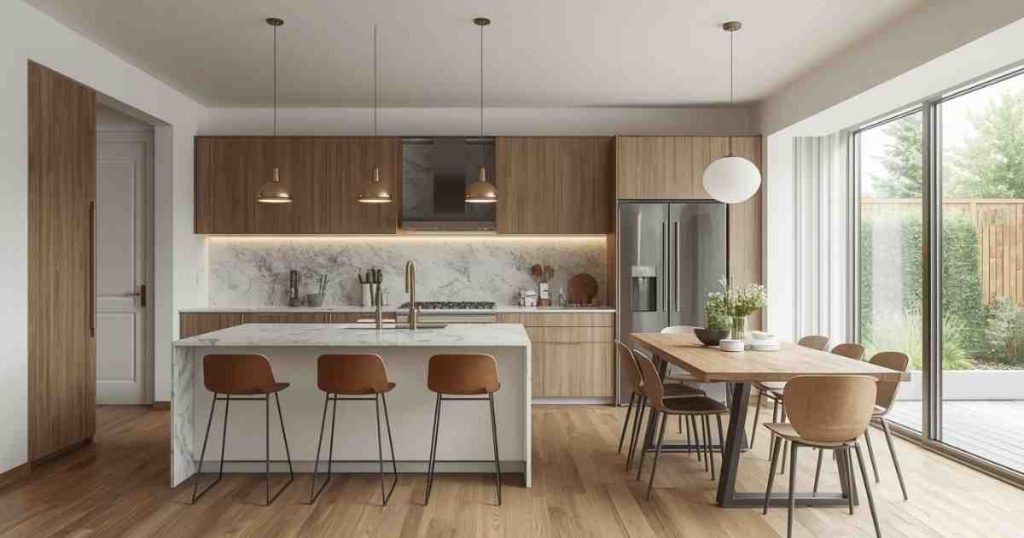
One of the most significant benefits is improved social connection. When the kitchen is open to the living or dining area, it’s easier for everyone to be together.
Parents can supervise children while cooking. Friends can chat during parties without being shut away.
This creates a more inclusive environment. It breaks down traditional barriers between cooking and living spaces.
The kitchen becomes a natural gathering spot for conversation and shared experiences. It fosters a sense of togetherness.
Increased Natural Light and Airiness
Removing walls allows natural light to flow freely throughout the main living areas. This makes the space feel larger and more inviting. Sunlight can reach corners that might otherwise be dark.
The absence of barriers also creates a sense of spaciousness. The air feels lighter and more open. This can make even a moderately sized home feel grander. It’s a significant improvement over traditional, compartmentalized layouts.
Improved Home Flow and Functionality
An open-concept design often makes a home feel more functional. Moving between the kitchen, dining, and living areas is seamless. This is especially helpful for busy households.
It also makes it easier to serve meals and clean up. Hosting gatherings becomes less of a logistical challenge. The entire living space works together as one cohesive unit. This improves the overall usability of the home.
Modern Aesthetic Appeal
Open-concept kitchens are a hallmark of modern home design. They convey a sense of sophistication and contemporary style. This can significantly increase a home’s market appeal.
Clean lines, minimalist cabinetry, and integrated appliances contribute to this look. The result is a sleek, uncluttered space that many find very attractive. It aligns with current design trends.
Drawbacks of an Open-Concept Modern Kitchen
While the benefits are many, it’s important to consider the potential downsides. An open-concept kitchen is not without its challenges. These can impact daily life and require careful management.
The most common issues relate to noise, cooking odors, and maintaining a tidy appearance. Without walls to contain them, sounds and smells can easily spread. This can be disruptive to other activities happening in the home.
Noise and Odor Transmission
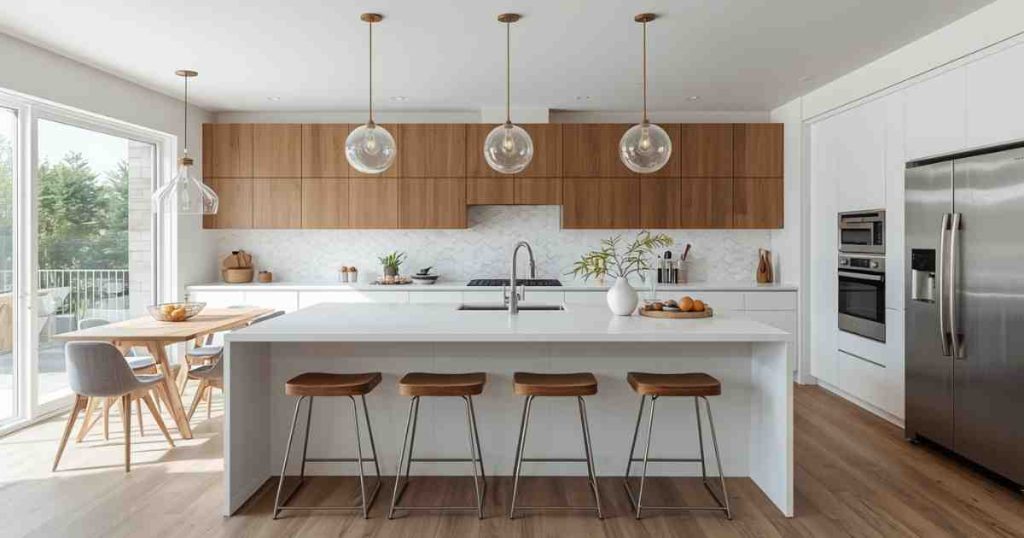
The lack of walls means that kitchen noises, such as a running dishwasher or a blender, can be heard throughout the connected living areas.
Similarly, cooking smells, especially strong ones, will permeate the entire space. This can be unpleasant for people trying to relax or work in other parts of the home.
Effective ventilation is crucial to mitigate these issues. High-quality range hoods are essential. Even then, some transmission is inevitable. It requires a shift in how you use and manage your kitchen.
Constant Need for Tidiness
An open-concept kitchen means that any mess is on full display. Clutter on countertops, dirty dishes in the sink, or piles of mail can be visible from the living room. This requires a constant effort to keep the kitchen tidy.
Homeowners must be diligent about cleaning up after themselves regularly. It’s not a design for those who prefer to leave things until later. A well-organized kitchen is a must for an open-concept space to look its best.
Loss of Distinct Zones
While the openness is a benefit, it can also mean a loss of distinct functional zones. It can be harder to create a quiet corner for reading or a dedicated space for work if the entire area is open. This requires careful furniture arrangement and layout planning.
Some people miss the separation that walls provide. They might feel the living area is too exposed to kitchen activities. Finding a balance is key.
Potential for Overcrowding
In smaller homes, an open-concept design, while intended to create space, can sometimes feel overcrowded if not planned well.
The lack of walls means furniture and activity areas can blend together. This can make the space feel chaotic rather than open.
Careful consideration of furniture placement and traffic flow is essential. It ensures the space remains functional and comfortable for everyone.
Designing Your Open-Concept Modern Kitchen
Creating a successful open-concept modern kitchen involves thoughtful planning. The goal is to maximize the benefits while minimizing the drawbacks. This requires attention to detail in every aspect of the design.
From lighting and materials to storage and layout, each element plays a role. Smart choices can ensure the space is both beautiful and highly functional. It’s about creating a cohesive and inviting environment.
Layout and Flow Considerations
The arrangement of your kitchen within the larger space is critical. Think about the primary traffic paths. Ensure there is easy access to the refrigerator, sink, and stove.
Consider using an island or a peninsula to define the kitchen area without closing it off. This can provide a visual separation and extra workspace. It also acts as a natural gathering point.
Material Selection
Choosing the right materials can make a big difference. Durable, easy-to-clean surfaces are essential for countertops and backsplashes. Consider materials that are both aesthetically pleasing and practical.
Flooring should ideally flow seamlessly from the kitchen into the adjacent living areas. This enhances the sense of unity. Materials like hardwood, luxury vinyl, or large format tiles work well.
Lighting Strategies
Good lighting is vital in an open-concept space. Layered lighting is key, combining ambient, task, and accent lighting.
Ambient lighting provides overall illumination. Task lighting, such as under-cabinet lights or pendant lights over an island, is essential for food preparation. Accent lighting can highlight features like artwork or cabinetry.
Storage Solutions
Smart storage is paramount to maintaining a tidy appearance. Maximize vertical space with tall cabinets and shelves. Consider integrated appliances and pull-out drawers to keep things organized and out of sight.
Built-in storage solutions can help minimize clutter. Open shelving can be used for display, but should be kept well-organized.
Defining Zones with Furniture and Decor
Even in an open space, you can define different areas. Use furniture placement, rugs, and different paint colors or wall treatments to delineate zones. For instance, a rug can define the living area, while a distinct dining table marks the dining space.
Consider the scale of your furniture. Large, bulky pieces can make the space feel cramped. Opt for furniture that complements the open feel.
Example Scenarios and Practical Results
To better illustrate the impact of an open-concept modern kitchen, let’s look at a couple of real-life examples. These scenarios highlight how the design addresses common household needs and the positive outcomes.
Scenario 1: The Busy Family Hub
A family with young children is constantly in motion. The parents need to supervise homework and playtime while also preparing dinner. In their old, compartmentalized kitchen, one parent was always isolated from the rest of the family.
With an open-concept kitchen, the parents can now be in the kitchen cooking and still see and interact with the children playing in the adjacent living room.
The kitchen island serves as a homework station where the kids can work at one end while dinner is being prepared at the other.
This design has reduced family stress by allowing everyone to be together. The result is a more harmonious home environment.
Scenario 2: The Entertainer’s Dream
Sarah loves hosting dinner parties. In her previous home, she had to constantly run back and forth between the kitchen and her guests, missing out on conversations. This made her feel disconnected from her own parties.
After renovating her kitchen to an open-concept layout, Sarah can now prepare food and drinks while still being an active part of the social gathering.
Her guests can gather around the island, chat with her, and even lend a hand if they wish. This has transformed her entertaining experience, making her feel more relaxed and engaged with her guests. The home feels more welcoming and vibrant during social events.
Integrating Technology and Appliances
Modern kitchens often incorporate smart technology. This can enhance both functionality and aesthetics in an open-concept design.
Smart appliances can be controlled remotely, allowing for preheating ovens or checking refrigerator contents from your phone.
Integrated appliances blend seamlessly with cabinetry, maintaining a clean, uncluttered look that is essential in open spaces.
Smart Appliances
Smart refrigerators can offer features like internal cameras to see what you need at the grocery store. Smart ovens can be preheated remotely or provide guided cooking programs. Some smart cooktops can even sync with smart ventilation systems.
These technologies can streamline tasks and add convenience. They fit well with the sleek, efficient nature of a modern kitchen.
Ventilation Systems
As mentioned earlier, good ventilation is critical. Modern kitchens often feature powerful, yet quiet, range hoods. Some are designed to be visually appealing, acting as a statement piece.
Downdraft ventilation systems are also an option, rising from the countertop when needed. This preserves the open sightlines when not in use. Investing in a high-quality ventilation system is a non-negotiable for an open-concept kitchen.
A Look at Design Statistics
The popularity of open-concept living continues to grow. Research indicates a strong consumer preference for this style.
According to a 2022 Houzz survey, 69% of homeowners prefer an open kitchen layout. This trend is driven by a desire for more connected living and entertaining. The demand for such spaces influences home design and renovation choices.
Another study found that homes with updated, open-concept kitchens can see a significant return on investment during resale. This highlights the practical and financial benefits of adopting this design.
Frequently Asked Questions Of Open-Concept Modern Kitchen: Benefits, Drawbacks, And Design Tips
Is an open-concept kitchen right for me if I cook a lot of strong-smelling foods?
It can be challenging, but not impossible. You’ll need a very powerful and efficient range hood, and potentially consider using kitchen fans or opening windows. Some people also choose to use induction cooktops, which tend to produce fewer airborne odors than gas.
How can I create distinct areas in an open-concept kitchen and living space?
Use furniture placement, area rugs, different ceiling treatments, or even slight changes in flooring materials. Islands or peninsulas can also act as natural dividers between the kitchen and living areas.
What are the best materials for countertops in an open-concept kitchen?
Durable, easy-to-clean materials are key. Quartz, granite, and solid surface materials are popular choices because they are non-porous and resistant to stains and heat. They also offer a sleek, modern look.
How much does it typically cost to convert to an open-concept kitchen?
Costs vary widely depending on the scope of work. Removing structural walls can be expensive due to the need for reinforcement like beams. Other factors include new cabinetry, countertops, flooring, lighting, and appliance upgrades.
Can an open-concept kitchen make a small home feel bigger?
Yes, it can significantly enhance the feeling of space. By removing walls, you create a larger, more unified area that allows light to flow and makes movement easier. This visually expands the living space.
Summary
Creating an open-concept modern kitchen offers a bright, connected living experience. It enhances social interaction and boosts home appeal. A well-executed modern kitchen design enhances both social interaction and home value, as summarized here.
Careful planning for layout, materials, lighting, and storage is essential. Addressing potential issues like noise and mess ensures a functional, beautiful space. Embrace this design to make your home a more welcoming heart for family and friends.

![Matte Vs Glossy Kitchen Cabinets Which Finish Is Right For A Modern Look[1]](https://kitchentoolslab.com/wp-content/uploads/2026/05/Matte_Vs_Glossy_Kitchen_Cabinets__Which_Finish_Is_Right_For_A_Modern_Look1-768x403.jpg)
![Japandi Kitchen Design How To Blend Japanese And Scandinavian Styles[1]](https://kitchentoolslab.com/wp-content/uploads/2026/05/Japandi_Kitchen_Design__How_To_Blend_Japanese_And_Scandinavian_Styles1-768x403.jpg)
![How To Add Warmth To A Modern Kitchen Without Losing The Minimalist Feel[1]](https://kitchentoolslab.com/wp-content/uploads/2026/05/How_To_Add_Warmth_To_A_Modern_Kitchen_Without_Losing_The_Minimalist_Feel1-768x403.jpg)
![Smart Kitchen Technology Which Appliances Actually Make Cooking Easier[1]](https://kitchentoolslab.com/wp-content/uploads/2026/05/Smart_Kitchen_Technology__Which_Appliances_Actually_Make_Cooking_Easier1-768x403.jpg)