
How To Add Warmth To A Modern Kitchen Without Losing The Minimalist Feel
You walk into your kitchen, a space designed for sleek lines and effortless cool, but it feels a bit stark, almost cold.
You love the clean aesthetic, but something is missing. It’s that cozy, welcoming feeling that makes a house a home.
This post will show you how to add warmth to a modern kitchen without losing the minimalist feel. You’ll discover simple yet effective ways to make your kitchen feel more inviting, boosting your time spent in the space and keeping visitors engaged, all while maintaining that desirable uncluttered look.
Key Takeaways
- Incorporate natural materials like wood and stone to soften modern lines.
- Layer lighting to create a comfortable and inviting ambiance.
- Use textiles strategically to add comfort and color.
- Introduce plants and greenery for a touch of life and organic texture.
- Choose accent pieces that reflect personality without cluttering the space.
![How To Add Warmth To A Modern Kitchen Without Losing The Minimalist Feel[1]](https://kitchentoolslab.com/wp-content/uploads/2026/05/How_To_Add_Warmth_To_A_Modern_Kitchen_Without_Losing_The_Minimalist_Feel1.jpg)
Embracing Natural Materials
Modern kitchens often feature polished surfaces and man-made materials, which contribute to their clean look.
However, these same materials can sometimes feel sterile. Introducing natural elements is one of the most effective ways to bring warmth into a modern kitchen.
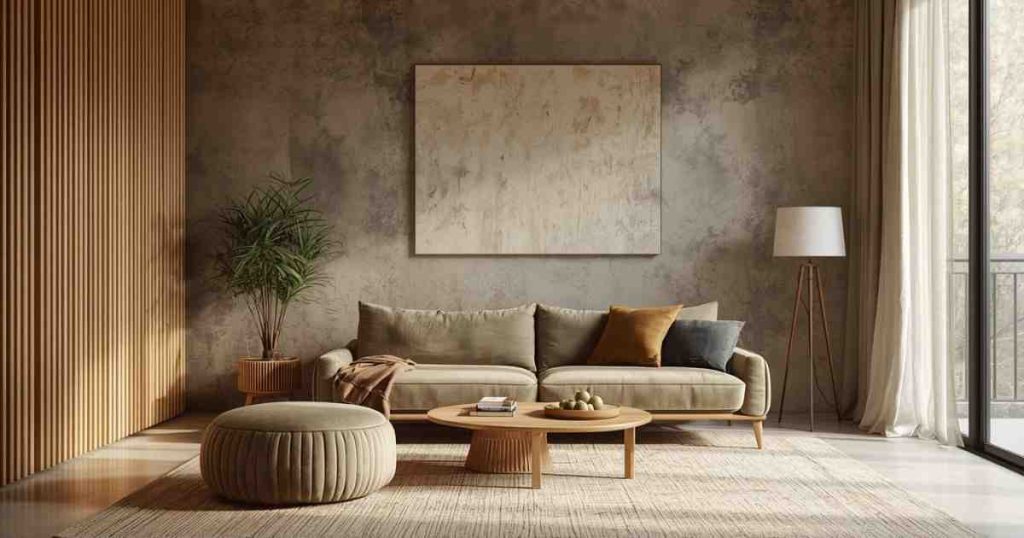
Think about wood accents, whether in cabinetry, a butcher block countertop, open shelving, or even small decorative items. Wood brings an organic texture and color that instantly makes a space feel more inviting and grounded.
Wood Cabinetry and Countertops
Replacing some of your sleek, high-gloss cabinets with wood can make a big difference. Even a few strategically placed wooden drawers or a beautiful wooden island can transform the feel of the room.
Consider different wood species; lighter woods like maple or birch offer a subtle warmth, while richer tones like walnut or oak provide a deeper, more luxurious feel.
If a full cabinet overhaul isn’t in the cards, a wooden cutting board or a set of wooden utensils displayed on the counter can add a touch of this natural element.
Countertops are another area where wood can shine. A butcher block countertop on an island or a section of your main counter adds a functional and beautiful warm surface.
These surfaces are practical for food preparation and develop a beautiful patina over time, adding character to your kitchen.
Regular oiling and care are important to maintain their beauty and durability.
Stone and Other Natural Textures
Beyond wood, other natural materials like stone can also add warmth. Consider a backsplash made of natural stone, such as travertine or a subtly veined marble. Even a granite countertop with warmer undertones can provide a grounding effect.
The unique patterns and textures found in natural stone offer visual interest and a tactile quality that manufactured materials often lack.
Think about incorporating other natural textures too. Woven baskets for storage, ceramic or terracotta planters, or even a simple woven rug under a breakfast nook can introduce organic forms and softness.
These items break up the hard, straight lines common in modern design and create a more relaxed atmosphere.
The Power of Layered Lighting
Lighting is a critical, yet often overlooked, element in creating a warm kitchen atmosphere. A single, harsh overhead light can make even the most beautiful kitchen feel cold and unwelcoming.
Layering different types of lighting allows you to control the mood and functionality of your kitchen, making it feel cozy and inviting for both cooking and socializing.
Ambient Lighting
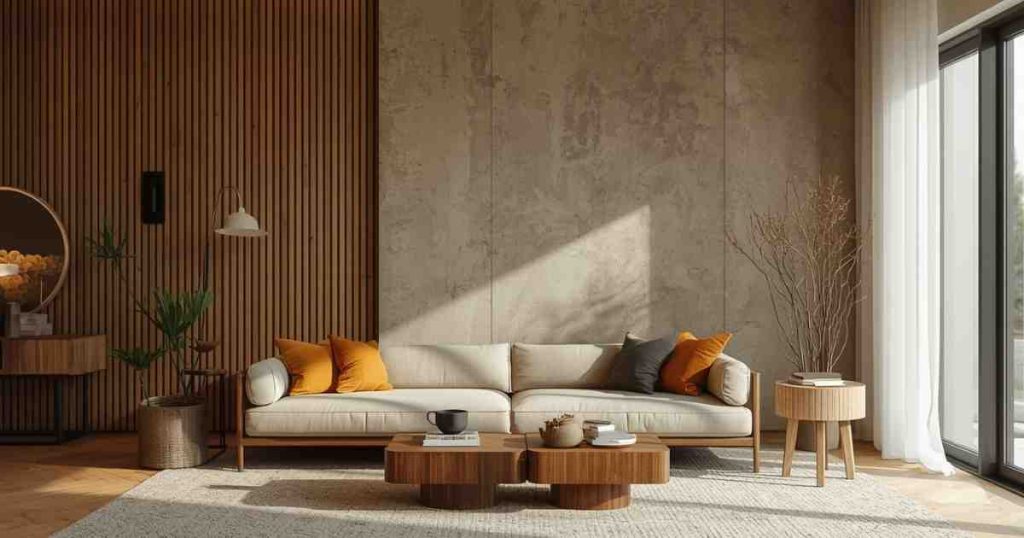
Ambient lighting is the general illumination of a space. In a modern kitchen, this might be recessed ceiling lights. To add warmth, opt for fixtures that emit a soft, diffused light rather than a stark, bright white.
Using dimmers on your ambient lights is also key. This allows you to adjust the brightness to suit the time of day or the activity, creating a softer glow in the evenings.
Consider the color temperature of your bulbs. Bulbs with a warmer color temperature (around 2700K to 3000K) emit a yellow-toned light, similar to candlelight, which is far more conducive to warmth than cooler, blue-toned lights.
Task Lighting
Task lighting is focused illumination for specific activities, like chopping vegetables or reading a recipe. Under-cabinet lighting is essential in modern kitchens.
It not only brightens your countertops, making food prep safer and easier, but it also casts a warm glow downwards, creating a cozy nook effect.
LED strip lights are a popular and energy-efficient choice for this purpose.
Pendant lights over an island or a sink can also serve as both task and decorative lighting. Choose pendants with warm finishes like brushed brass, copper, or even a matte black for a sophisticated touch.
The shades of the pendants should also diffuse light softly, rather than shining it directly down in a harsh beam.
Accent Lighting
Accent lighting draws attention to specific features, like artwork, open shelving, or decorative items. Small spotlights, picture lights, or even string lights can be used sparingly to add depth and visual interest.
For example, a few well-placed lights inside glass-front cabinets can highlight your dishware and create a warm, inviting glow.
This type of lighting adds layers of light that make the space feel more dynamic and comfortable.
Consider a decorative lamp on a counter or a small credenza. This adds a personal touch and a soft, localized light source that is perfect for late-night snacks or quiet conversations. It’s these small touches that truly elevate the warmth of a kitchen.
Textiles for Softness and Color
Modern kitchens often prioritize hard surfaces and clean lines, which can leave them feeling a bit unyielding. Introducing textiles is a simple yet powerful way to soften these edges, add pops of color, and create a more inviting atmosphere.
The key is to choose materials and patterns that complement your minimalist aesthetic without overwhelming it.
Kitchen Rugs
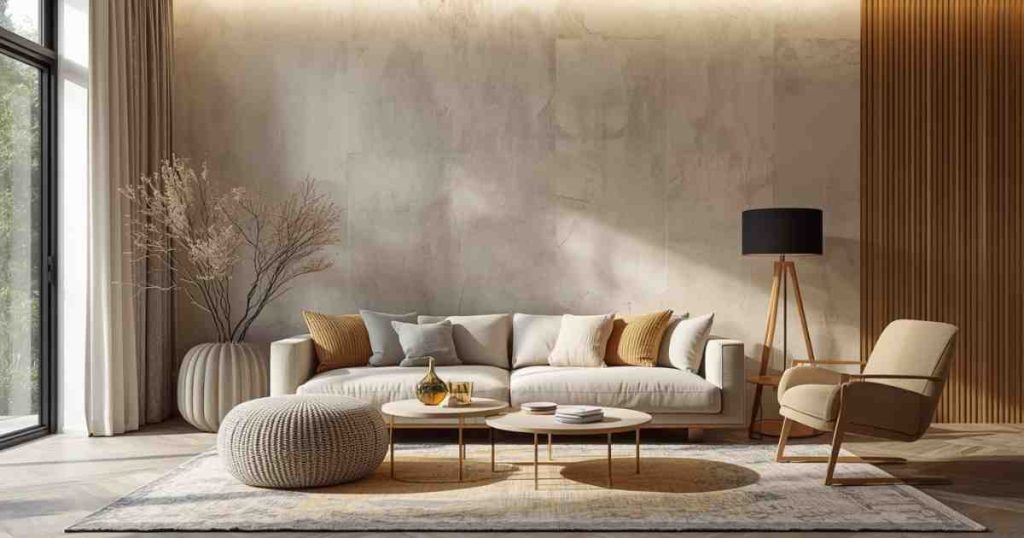
A well-placed rug can instantly add comfort and warmth to a kitchen. In front of the sink or in a seating area, a soft rug provides a comfortable place to stand and adds visual appeal. For a modern kitchen, consider materials like natural fibers such as jute, sisal, or a wool blend.
These offer texture and a natural color palette that aligns with minimalist design.
Patterns can be used sparingly. A subtle geometric pattern or a solid color with a bit of texture can add interest without being too busy.
Washable rugs are a practical choice for kitchens, ensuring that your warm addition remains clean and fresh.
Think about the color palette; a rug in a warm neutral, a muted earth tone, or even a deep jewel tone can anchor the space.
Window Treatments
Window treatments can significantly impact the warmth of a kitchen. While some modern kitchens opt for bare windows, adding curtains or blinds can soften the light and add a layer of texture.
For a minimalist approach, consider linen curtains in a neutral color that gently diffuse sunlight.
Roman shades in a natural fabric or simple, unlined drapes can provide a soft touch without adding bulk.
If your kitchen has a lot of hard surfaces, textured fabrics for curtains can be particularly effective. Even sheer curtains can create a softer visual effect and add a sense of privacy and coziness.
The key is to select fabrics that complement your existing decor and don’t detract from the clean lines of your modern design.
Upholstered Seating
If your kitchen includes a breakfast nook or island seating, consider adding upholstered elements. Cushions on banquettes or seats at the island can dramatically increase comfort and visual warmth. Choose fabrics that are durable and easy to clean, such as performance fabrics.
Neutral tones or subtle patterns in materials like linen blends or textured cottons work well.
The shape and style of the upholstery also matter. Simple, tailored cushions maintain a modern feel, while adding a touch of plushness.
This is a practical way to inject comfort into an often-used area of the kitchen, making it a more enjoyable space to gather.
Greenery and Natural Accents
The addition of plants and natural accents can bring life, color, and organic softness to a modern kitchen, enhancing its warmth without compromising the minimalist aesthetic.
These elements introduce natural shapes, textures, and a sense of vitality that can make the space feel more welcoming and lived-in.
Potted Plants and Herbs
Bringing the outdoors in is a simple yet effective way to add warmth. Potted plants, especially those with interesting foliage or a lush appearance, can soften hard edges and add a vibrant touch of green. Consider placing a few small plants on countertops, open shelves, or a windowsill.
Easy-care options like snake plants, ZZ plants, or small succulents are perfect for busy kitchens.
Growing herbs in pots on a windowsill or a dedicated herb garden rack is both functional and decorative.
The fresh green leaves and their subtle aroma add a natural element that is both visually appealing and sensory. This practical touch also reinforces the idea of the kitchen as a place of nourishment and life.
Natural Decorative Items
Beyond plants, other natural decorative items can contribute to a warmer feel. A beautiful wooden bowl filled with fruit on the island, a collection of ceramic vases in earthy tones, or even a piece of driftwood can add organic texture and visual interest.
These items should be chosen thoughtfully to complement the existing decor and avoid creating clutter.
Consider displaying natural materials like stones, shells, or pinecones in a minimalist way. The key is to keep the presentation clean and intentional, allowing the natural beauty of the objects to stand out. This approach adds a touch of personality and a connection to the natural world.
Color and Warm Accents
While modern kitchens often embrace a neutral palette, strategic use of color can inject warmth without making the space feel cluttered or overwhelming.
The trick is to use color as an accent, drawing the eye and adding personality without dominating the clean, minimalist design.
Warm Neutrals
If you prefer to stick to a neutral palette, focus on warmer shades of white, beige, gray, or taupe. These colors have subtle undertones that can make a space feel much cozier than cool, stark neutrals.
For example, an off-white cabinet color with a slight yellow or beige undertone will feel warmer than a pure, bright white.
Similarly, a warm gray can feel more inviting than a cool, blue-toned gray.
Consider the finishes of these neutrals as well. A matte finish will absorb light and feel softer than a high-gloss finish, contributing to a warmer overall impression. Even small details like a warm-toned backsplash tile or a set of warm-colored placemats can make a significant difference.
Color Pops
For a more vibrant touch, introduce pops of color through accessories. This could be a set of colorful tea towels, a statement piece of pottery, a piece of artwork on the wall, or even a few colorful stools at the island. Choose colors that evoke warmth, such as terracotta, deep blues, warm greens, or rich ochre.
The key is to use these colors sparingly. A single accent wall in a warm hue might be too much for a minimalist kitchen, but a vibrant vase or a set of colorful utensils can provide just the right amount of warmth and personality. Think of these as carefully chosen jewels that enhance the overall design without overpowering it. Using stools with a warm wood seat adds natural warmth without compromising minimalism.
Sample Scenarios
Let’s look at a couple of examples of how these principles can be applied:
- The Minimalist with a Touch of Wood: Imagine a kitchen with white shaker cabinets, stainless steel appliances, and quartz countertops. To add warmth, we could introduce a butcher block island countertop. We could also add a few open shelves made of natural wood to display a few ceramic pieces and some small potted herbs. A simple woven rug in a natural fiber would be placed in front of the sink. This creates a welcoming feel without sacrificing the clean aesthetic.
- The Sleek and Serene Space: Consider a kitchen with dark gray cabinetry and a white marble countertop. The existing lighting is a bit harsh. We can add under-cabinet LED lighting with a warm glow. A set of pendant lights with brushed brass accents above the island would introduce a metallic warmth. A few strategically placed green plants in simple ceramic pots would add life. For seating, we could opt for simple stools with a warm wood seat.
Frequently Asked Questions Of How To Add Warmth To A Modern Kitchen Without Losing The Minimalist Feel
Can I add warmth without changing my cabinets?
Absolutely! You can add warmth through lighting, textiles like rugs and curtains, plants, and decorative accessories like wooden bowls or ceramic pieces. Focusing on these elements can make a significant impact on the overall feel of your kitchen.
What are the best natural materials for a modern kitchen?
Wood is a top choice, offering natural beauty and warmth. Stone like granite or marble with warmer undertones, as well as natural fibers like jute and linen for textiles, also work very well. The key is to choose materials with inherent texture and visual depth.
How do I avoid making my kitchen look cluttered when adding warm elements?
The principle of minimalism is to be intentional. Choose a few key warm elements and ensure they are well-placed. Avoid overcrowding surfaces with too many decorative items.
Opt for quality over quantity, and maintain clean lines in your choices of textiles and accessories.
Is it okay to use bold colors in a minimalist kitchen for warmth?
Yes, but strategically. Bold colors can be used as accents through small accessories like cushions, artwork, or even kitchenware. The goal is to add a pop of color that draws the eye and adds personality, rather than overwhelming the space with a dominant color scheme.
How does lighting contribute to a warm kitchen?
Lighting is crucial. Layering ambient, task, and accent lighting allows you to control the mood. Using warm-toned bulbs, dimmers, and diffused light sources can transform a stark space into a cozy and inviting one.
Under-cabinet lighting is particularly effective for creating a warm glow on countertops.
Wrap Up
Adding warmth to a modern kitchen means balancing comfort with clean design. By thoughtfully introducing natural materials, layering lighting, using textiles, and incorporating greenery, you can create a welcoming space. Focus on simple, intentional additions.
This approach ensures your kitchen feels cozy and inviting while keeping its minimalist charm. You can achieve a beautifully warm and functional kitchen. Focusing on simple intentional additions ensures the kitchen remains both cozy and minimalist.

![Japandi Kitchen Design How To Blend Japanese And Scandinavian Styles[1]](https://kitchentoolslab.com/wp-content/uploads/2026/05/Japandi_Kitchen_Design__How_To_Blend_Japanese_And_Scandinavian_Styles1-768x403.jpg)
![What Materials Are Used In Modern Kitchens A Complete Material Guide[1]](https://kitchentoolslab.com/wp-content/uploads/2026/05/What_Materials_Are_Used_In_Modern_Kitchens__A_Complete_Material_Guide1-768x403.jpg)
![Open Concept Modern Kitchen Benefits, Drawbacks, And Design Tips[1]](https://kitchentoolslab.com/wp-content/uploads/2026/05/Open-Concept_Modern_Kitchen__Benefits_Drawbacks_And_Design_Tips1-768x403.jpg)
![Modern Kitchen Vs Traditional Kitchen Which Design Suits Your Home Better[1]](https://kitchentoolslab.com/wp-content/uploads/2026/05/Modern_Kitchen_Vs_Traditional_Kitchen__Which_Design_Suits_Your_Home_Better1-768x403.jpg)