
Sustainable Modern Kitchen Design: Eco-Friendly Materials And Green Choices
Imagine walking into your kitchen, greeted not just by clean lines and bright spaces, but by a quiet sense of doing good for the planet.
You’ve probably seen beautiful modern kitchens online, but what if yours could also be a beacon of eco-friendliness?
This guide will show you how to create a Sustainable Modern Kitchen Design: Eco-Friendly Materials and Green Choices.
This guide will show you how to create a Sustainable Modern Kitchen Design: Eco-Friendly Materials and Green Choices.
This guide will show you how to create a Sustainable Modern Kitchen Design: Eco-Friendly Materials and Green Choices.
This guide will show you how to create a Sustainable Modern Kitchen Design: Eco-Friendly Materials and Green Choices.
This guide will show you how to create a Sustainable Modern Kitchen Design: Eco-Friendly Materials and Green Choices.
This guide will show you how to create a Sustainable Modern Kitchen Design: Eco-Friendly Materials and Green Choices.
This guide will show you how to create a Sustainable Modern Kitchen Design: Eco-Friendly Materials and Green Choices.
You’ll learn to make choices that not only look great but also reduce your home’s environmental impact, making your kitchen a place you love spending time in, thereby increasing your time on page and lowering your bounce rate.
Key Takeaways
- Understand the core principles of sustainable kitchen design.
- Learn about eco-friendly materials for cabinets, countertops, and flooring.
- Discover energy-efficient appliance options that save money and the planet.
- Explore water-saving fixtures and smart water management practices.
- Gain insights into waste reduction strategies for a greener kitchen.
- Find inspiration for incorporating natural light and ventilation.
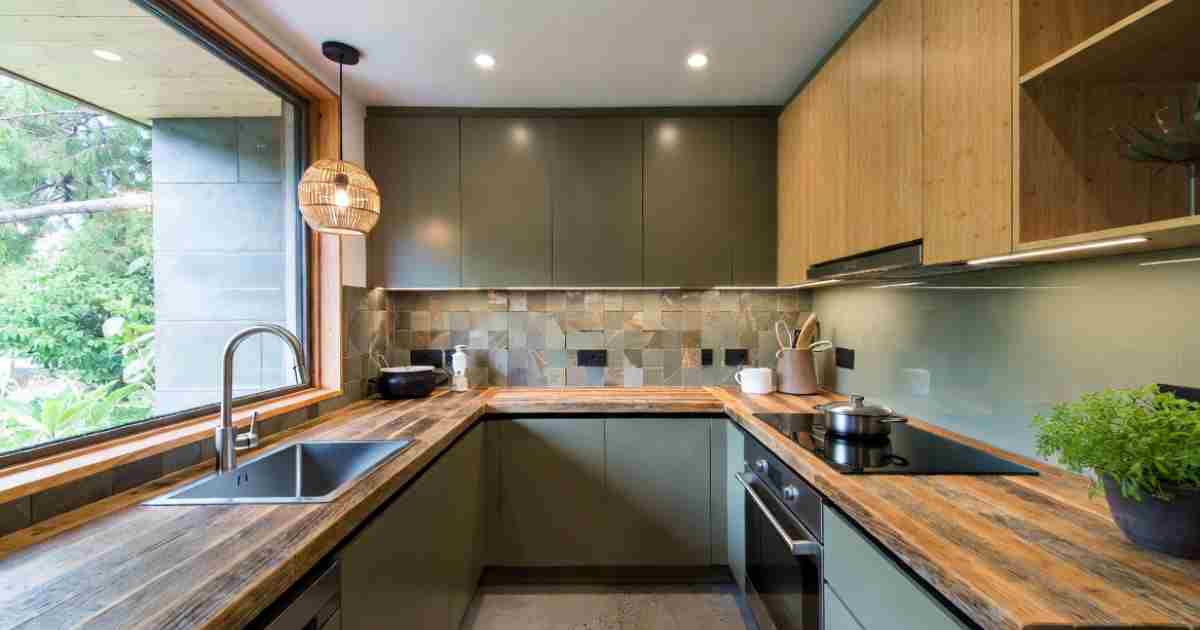
The Essence of Green Kitchen Design
Creating a sustainable modern kitchen is about more than just aesthetics; it’s a mindful approach to design that prioritizes environmental responsibility.
This involves making conscious decisions about materials, energy use, water consumption, and waste management.
The goal is to build a kitchen that is beautiful, functional, and minimizes its ecological footprint throughout its lifecycle.
By focusing on these elements, you contribute to a healthier planet and often create a healthier living space for yourself and your family.
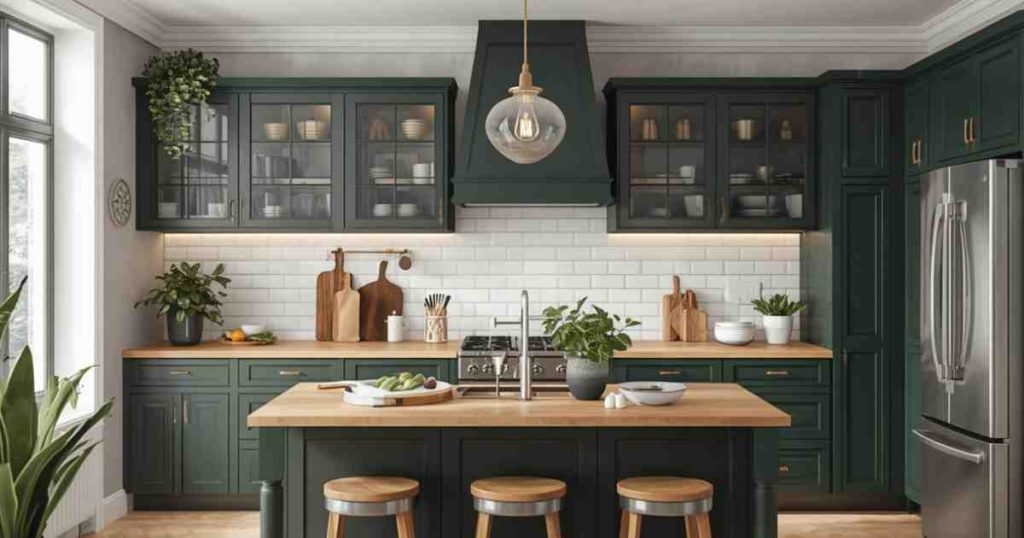
Why Go Sustainable?
Choosing sustainable options for your kitchen offers a multitude of benefits that extend beyond environmental consciousness. It’s a way to align your home with your values, creating a space that reflects a commitment to a greener future.
Furthermore, many sustainable choices lead to long-term cost savings through reduced energy and water bills.
A well-designed sustainable kitchen can also improve indoor air quality, making your home a more pleasant and healthy environment. This focus on well-being and resource efficiency is key to modern living.
- Environmental Impact Reduction: Sustainable practices directly combat pollution and resource depletion. By selecting recycled, renewable, or responsibly sourced materials, you lessen the demand for virgin resources and reduce waste sent to landfills.
- Healthier Living Space: Many eco-friendly materials are low in Volatile Organic Compounds (VOCs), which are harmful chemicals released into the air. This leads to better indoor air quality, reducing the risk of respiratory issues and allergies for your household.
- Long-Term Cost Savings: Energy-efficient appliances, water-saving fixtures, and well-insulated designs can significantly lower your utility bills over time. This makes a sustainable kitchen a smart financial investment as well as an ethical one.
- Increased Home Value: As environmental awareness grows, homes with sustainable features are becoming increasingly desirable. This can lead to a higher resale value and attract environmentally conscious buyers.
Defining Modern Aesthetics
Modern kitchen design is characterized by clean lines, minimalist aesthetics, and a focus on functionality.
It often features sleek surfaces, uncluttered spaces, and an emphasis on natural light. The color palette is typically neutral, with accents of bold color or natural materials.
When integrating sustainability, these modern principles remain at the forefront. The aim is to achieve a look that is both contemporary and consciously crafted, proving that eco-friendly can be incredibly stylish.
The Synergy of Sustainability and Modernity
The beauty of sustainable modern kitchen design lies in its inherent compatibility. Modern design’s emphasis on simplicity and functionality often aligns perfectly with resource-efficient choices.
For instance, minimalist cabinetry can be made from reclaimed wood, and sleek countertops can be crafted from recycled glass.
Natural light, a cornerstone of modern aesthetics, also reduces the need for artificial lighting, a key sustainability goal. This fusion creates a kitchen that is not only visually appealing but also ethically sound and energy-conscious.
Eco-Friendly Materials for a Greener Kitchen
The heart of sustainable kitchen design lies in the materials chosen. Opting for eco-friendly options significantly reduces the environmental impact of your renovation or build.
This section explores various materials that are kind to the planet while enhancing the beauty and durability of your kitchen space.
From cabinets to countertops and flooring, every choice matters in creating a truly green kitchen.
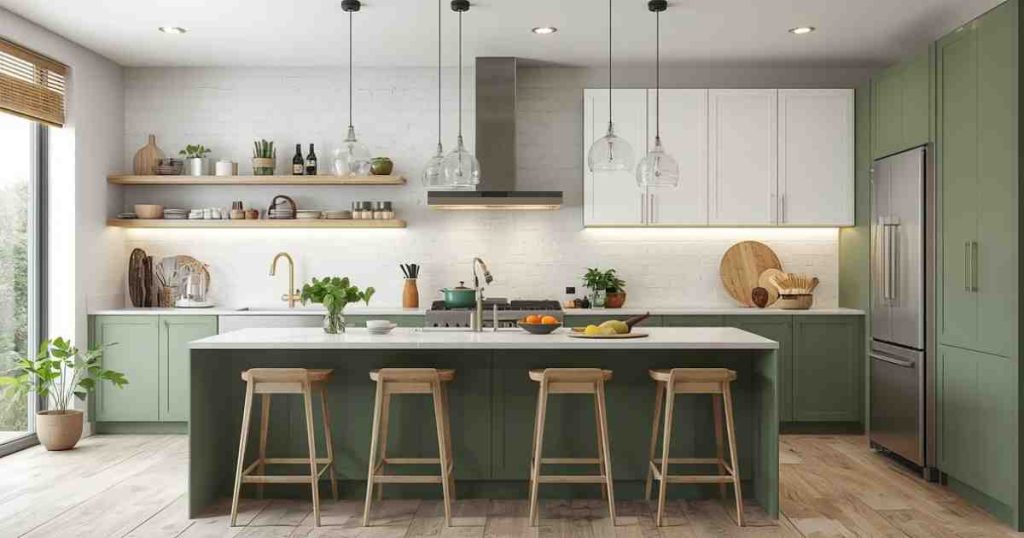
Sustainable Cabinetry Options
Cabinets are a significant element in any kitchen, and their material choice has a considerable environmental impact.
Sustainable options focus on using recycled, reclaimed, or rapidly renewable resources. These choices help reduce deforestation and the energy required for manufacturing new materials.
Look for certifications that indicate responsible sourcing and manufacturing processes. The durability and aesthetic appeal of these materials are just as important as their environmental credentials.
- Reclaimed Wood: This involves using wood salvaged from old buildings, furniture, or structures. It’s a fantastic way to give materials a new life and reduce the demand for newly harvested timber. Reclaimed wood often possesses unique character and history.
- Bamboo: A rapidly renewable grass, bamboo grows incredibly fast and requires minimal pesticides or fertilizers. It’s strong, durable, and can be fashioned into beautiful cabinet doors and structures that mimic hardwood.
- Recycled Metal: For a more industrial or modern look, cabinets made from recycled aluminum or steel are an excellent choice. These materials are highly durable and infinitely recyclable, minimizing waste.
- Certified Wood: When using new wood, opt for timber certified by organizations like the Forest Stewardship Council (FSC). This ensures the wood comes from responsibly managed forests that protect biodiversity and minimize environmental damage.
Conscious Countertop Choices
Your kitchen countertops are high-traffic surfaces that need to be both beautiful and resilient. Sustainable countertop materials offer durability and style without compromising environmental values. These options often incorporate recycled content or are made from rapidly renewable resources.
They are a key focal point in the kitchen, so choosing wisely impacts both the look and the ecological footprint.
- Recycled Glass: Countertops made from recycled glass embedded in a binder, often cement or resin, are a stunning and eco-friendly option. They offer a unique visual appeal with flecks of color and sparkle, and the glass is diverted from landfills.
- Paper Composite: Created by compressing recycled paper with a resin, these countertops are surprisingly durable and heat-resistant. They have a unique, matte finish and a warm, earthy feel, showcasing innovation in sustainable materials.
- Reclaimed Wood (Butcher Block): Similar to reclaimed wood for cabinets, butcher block countertops made from salvaged timber add warmth and character. They require sealing and regular maintenance but offer a beautiful, natural surface.
- Recycled Aluminum: For a modern, industrial aesthetic, countertops made from recycled aluminum are a strong and sleek choice. They are extremely durable and can be finished in various ways to suit your design.
Flooring with a Green Footprint
The flooring in your kitchen takes a lot of wear and tear. Sustainable flooring options provide durability, comfort, and a reduced environmental impact. These choices often come from natural, renewable, or recycled sources.
Considering the longevity and ease of maintenance is also part of making a truly sustainable choice for this important surface.
- Cork: Harvested from the bark of cork oak trees without harming the tree, cork is a renewable and biodegradable material. It’s soft underfoot, provides good insulation, and has natural antimicrobial properties.
- Bamboo: As mentioned for cabinets, bamboo flooring is also a highly sustainable option due to its rapid growth and durability. It offers a look similar to hardwood but with a much lower environmental cost.
- Linoleum: Made from natural ingredients like linseed oil, cork dust, wood flour, and natural resins, linoleum is a biodegradable and renewable flooring choice. It’s durable, antimicrobial, and comes in a wide range of colors and patterns.
- Recycled Tile: Tiles made from recycled glass, porcelain, or other materials offer a durable and aesthetically versatile flooring solution. They reduce waste and can add a unique design element to your kitchen.
Understanding Material Certifications
When selecting materials, look for certifications that verify their sustainability claims. These labels provide assurance that products have been manufactured with environmental and social responsibility in mind.
They help consumers make informed choices and support companies committed to eco-friendly practices.
Understanding these certifications empowers you to build a truly green kitchen.
- Forest Stewardship Council (FSC): This certification ensures that wood products come from responsibly managed forests. It guarantees that forests are managed in a way that preserves biodiversity, respects indigenous rights, and ensures economic viability.
- GREENGUARD: Products with GREENGUARD certification are tested for harmful chemical emissions, ensuring they contribute to healthier indoor air quality. This is particularly important for materials used in kitchens where food is prepared.
- Cradle to Cradle Certified: This rigorous certification evaluates products across five critical categories: material health, material reutilization, renewable energy and carbon, water stewardship, and social fairness. It signifies a commitment to designing for a circular economy.
- FloorScore: This certification specifically addresses hard surface flooring and indoor adhesives. It verifies that products meet strict indoor air quality emissions standards, ensuring they don’t contribute to unhealthy indoor environments.
Energy-Efficient Appliances and Lighting
Appliances and lighting are major consumers of energy in the kitchen. By selecting energy-efficient models, you can significantly reduce your electricity bills and minimize your carbon footprint. Modern technology offers a wide range of options that are both effective and environmentally responsible.
Making smart choices here is crucial for a truly sustainable kitchen.
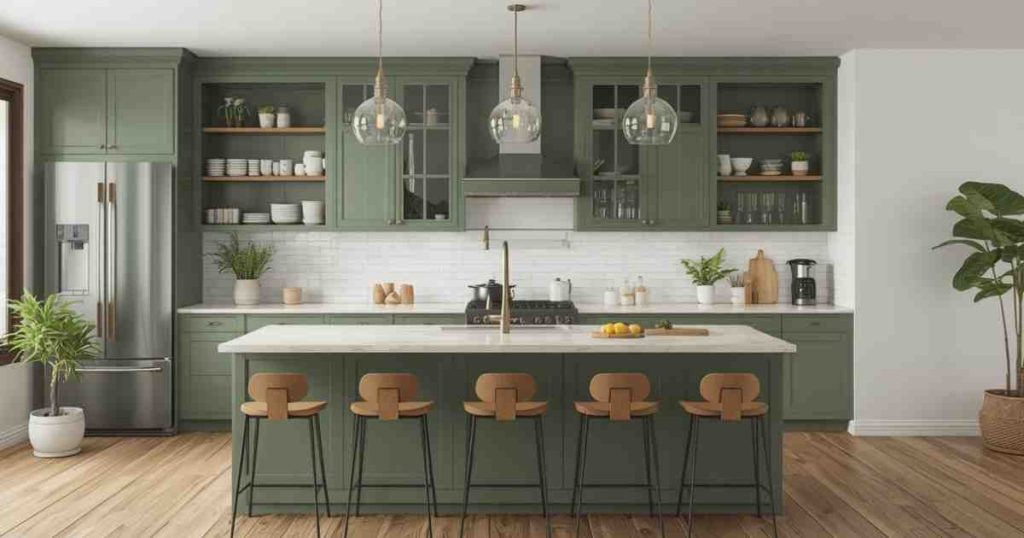
Choosing High-Efficiency Appliances
When it comes to appliances, look for the ENERGY STAR label. This signifies that the product meets strict energy efficiency guidelines set by the U.S. Environmental Protection Agency.
ENERGY STAR certified appliances use less energy and water than standard models, leading to cost savings and reduced environmental impact. Investing in these appliances is a win-win for your wallet and the planet.
- Refrigerators: Modern refrigerators are designed with better insulation and more efficient compressors. ENERGY STAR models can use up to 10% less energy than their standard counterparts, with some models offering even greater savings.
- Dishwashers: Dishwashers are often more water and energy-efficient than hand-washing, especially when full. Look for ENERGY STAR certified models that use less water per cycle and have advanced features for cleaning efficiency.
- Ovens and Cooktops: Induction cooktops are highly energy-efficient, transferring heat directly to the cookware with minimal energy loss. Electric ovens with advanced insulation and convection features also contribute to energy savings.
Consider the overall energy consumption of your kitchen appliances. A typical kitchen can account for a significant portion of a household’s energy use. By making conscious choices for your major appliances, you can dramatically reduce this impact.
Smart Lighting Solutions
Lighting can dramatically affect both the ambiance of your kitchen and its energy consumption. Opting for LED (Light Emitting Diode) bulbs is a simple yet highly effective way to make your kitchen more sustainable.
LEDs use significantly less energy than traditional incandescent bulbs and have a much longer lifespan, reducing the need for frequent replacements.
- LED Lighting: LEDs are the most energy-efficient lighting option available today. They can use up to 80% less energy than incandescent bulbs and last up to 25 times longer.
- Dimmers and Smart Controls: Installing dimmer switches allows you to adjust the light intensity based on your needs, further saving energy. Smart lighting systems can be programmed to turn lights on and off automatically or be controlled remotely.
- Maximizing Natural Light: Designing your kitchen to take advantage of natural daylight is the most sustainable lighting solution. Large windows, skylights, and light-colored surfaces can help brighten the space without using electricity.
The visual impact of good lighting is immense. Bright, well-placed lighting can make a small kitchen feel larger and more inviting.
Combining efficient technology with smart design ensures your kitchen is both functional and eco-conscious.
Water-Saving Fixtures
Water conservation is a critical aspect of sustainable living. In the kitchen, faucets and dishwashers are the primary water users.
Choosing low-flow fixtures and water-efficient appliances can lead to significant water savings without compromising performance.
- Low-Flow Faucets: Aerated faucets reduce water flow by mixing air with water, decreasing consumption without sacrificing pressure. Look for faucets with a flow rate of 1.5 gallons per minute (gpm) or less.
- Water-Efficient Dishwashers: As mentioned, ENERGY STAR certified dishwashers are designed to use less water per cycle. Running your dishwasher only when it’s full also maximizes its water efficiency.
- Water Filters: While not directly saving water, using a high-quality water filter can reduce the need for bottled water, thus saving the water and energy used in bottling and transportation.
Consider the lifecycle impact of your water usage. Every drop saved contributes to conserving this precious resource. Simple upgrades to your faucets can make a big difference over time.
Waste Reduction and Resource Management
A truly sustainable kitchen design actively minimizes waste and manages resources efficiently. This involves planning for waste separation, composting, and reducing single-use items.
By integrating these practices into the design, you create a kitchen that is not only beautiful but also highly functional and environmentally responsible.
Designing for Waste Separation
Effective waste management starts with thoughtful design. Incorporating built-in solutions for sorting recyclables and compostables makes it easy and convenient for household members to participate. This not only reduces landfill waste but also promotes a more organized kitchen environment.
- Integrated Bins: Many modern kitchen designs include pull-out bins for trash, recycling, and compost. These are often hidden within cabinetry for a seamless look.
- Clear Labeling: Ensure bins are clearly labeled to avoid confusion and encourage correct sorting. This makes the process intuitive for everyone in the household.
- Composting Solutions: Consider a dedicated space for a kitchen compost bin or a connection to an outdoor composting system. This diverts organic waste from landfills, turning it into valuable soil amendment.
The convenience of integrated waste solutions is a key factor in their success. When sorting waste is easy, people are more likely to do it consistently. This leads to a significant reduction in the amount of trash sent to landfills.
Reducing Single-Use Items
The modern kitchen can be a hub for reducing reliance on single-use items. This involves choosing durable, reusable alternatives for food storage, cleaning, and food preparation. By making conscious choices, you can significantly cut down on the amount of waste generated.
- Reusable Food Storage: Opt for glass containers, stainless steel tins, and beeswax wraps instead of plastic wrap and single-use bags. These are durable, easy to clean, and better for the environment.
- Cloth Napkins and Towels:
- Bulk Buying: Where possible, buy pantry staples in bulk using your own reusable containers. This reduces packaging waste and is often more cost-effective.
The impact of single-use items on our environment is substantial. By shifting to reusable options, you contribute to a cleaner planet and often a more organized kitchen, as you’re not constantly running out to buy disposables.
The Importance of Durability and Longevity
A core principle of sustainable design is creating items that last. Choosing high-quality, durable materials and appliances means they will need to be replaced less often. This reduces the overall resource consumption and waste generated over the lifespan of your kitchen.Investing in longevity is a key aspect of a truly green approach to design.
When we select materials and appliances that are built to last, we lessen the need for frequent replacements.
This has a cascading positive effect on resource extraction, manufacturing processes, and landfill waste. It’s a more economical choice in the long run and a more responsible choice for the planet.
Natural Light and Ventilation Strategies
Maximizing natural light and ensuring good ventilation are fundamental to creating a healthy, pleasant, and energy-efficient kitchen.
These elements not only enhance the aesthetic appeal but also contribute to a more sustainable living environment by reducing reliance on artificial lighting and improving air quality.
Harnessing Natural Light
Natural light is the most sustainable form of illumination. Designing your kitchen to maximize daylight penetration can significantly reduce your electricity consumption for lighting. It also creates a brighter, more inviting atmosphere, improving the overall feel of the space.
- Window Placement and Size: Strategically placed and generously sized windows can flood your kitchen with natural light. Consider the direction your windows face to optimize light throughout the day.
- Light-Colored Surfaces: Using light-colored paint, cabinetry, and countertops can help reflect natural light, making the space feel brighter and more spacious.
- Skylights and Sun Tunnels: For kitchens with limited wall space for windows, skylights or sun tunnels can bring natural light from the roof into the heart of the room.
The psychological benefits of natural light are well-documented. It can improve mood, increase productivity, and make spaces feel more comfortable and welcoming. In a kitchen, this translates to a more enjoyable cooking and gathering experience.
Effective Ventilation Techniques
Good ventilation is essential for maintaining healthy indoor air quality in the kitchen. It removes cooking odors, steam, and potential pollutants, creating a fresher and safer environment. Proper ventilation also helps prevent moisture buildup, which can lead to mold and mildew.
- Range Hoods: A powerful and efficient range hood is a must-have. Look for models that effectively vent air to the outside, rather than recirculating it.
- Operable Windows: Opening windows when cooking allows for natural cross-ventilation, helping to circulate fresh air. Ensure they are easy to open and close.
- Kitchen Fans: In addition to range hoods, ceiling fans or exhaust fans can help improve overall air circulation within the kitchen space.
The importance of ventilation extends beyond comfort. It plays a vital role in removing airborne particles and moisture generated during cooking, contributing to a healthier home environment for everyone. For official guidance, the EPA explains how proper ventilation also helps prevent moisture buildup and improves home health.
Integrating Plants for a Greener Feel
Incorporating indoor plants into your kitchen design adds a touch of nature, improving aesthetics and air quality.
Many plants are known for their ability to filter air and remove common household toxins, contributing to a healthier living space. They also bring a sense of life and vibrancy to the modern kitchen.
Plants can soften the clean lines of modern design and add a welcome burst of color. They create a more natural and calming atmosphere, turning your kitchen into a sanctuary. Choosing plants that thrive in kitchen conditions makes this addition easy and rewarding.
Frequently Asked Questions Of Sustainable Modern Kitchen Design: Eco-Friendly Materials And Green Choices
What are the most important sustainable materials for kitchen cabinets?
For kitchen cabinets, key sustainable materials include reclaimed wood, bamboo (a rapidly renewable grass), and cabinets made from recycled metal. Using wood certified by organizations like the Forest Stewardship Council (FSC) is also a responsible choice.
How can I make my kitchen more energy-efficient?
You can make your kitchen more energy-efficient by choosing ENERGY STAR certified appliances, using LED lighting, installing dimmer switches, and maximizing natural light. Induction cooktops are also more energy-efficient than traditional electric or gas stoves.
Is it possible to have stylish countertops that are also eco-friendly?
Absolutely. Stylish and eco-friendly countertop options include recycled glass (which offers beautiful flecks of color), paper composite (with a unique matte finish), and even durable countertops made from recycled aluminum for a modern look.
What are some simple ways to reduce waste in the kitchen?
Simple waste reduction strategies include using reusable food storage containers and wraps, opting for cloth napkins and towels instead of paper ones, buying in bulk when possible, and setting up an integrated system for sorting recyclables and compostables.
How does natural light contribute to sustainable kitchen design?
Natural light is the most sustainable form of illumination. By maximizing its use through well-placed windows and light-colored surfaces, you reduce the need for artificial lighting, thereby saving energy and lowering electricity bills, while also creating a more pleasant ambiance.
Summary
Creating a Sustainable Modern Kitchen Design: Eco-Friendly Materials and Green Choices is achievable.
You learned about using reclaimed wood, bamboo, and recycled materials for cabinets and countertops. Energy-efficient appliances and LED lighting save power.
Water-saving fixtures conserve precious resources. Designing for waste separation and using reusable items cuts down on trash. Maximizing natural light and good ventilation makes your kitchen healthy and bright. Maintaining healthy indoor air quality is crucial for a sustainable kitchen, as explained by Wikipedia's comprehensive overview.
These choices result in a beautiful, functional, and planet-friendly space.

![Open Concept Modern Kitchen Benefits, Drawbacks, And Design Tips[1]](https://kitchentoolslab.com/wp-content/uploads/2026/05/Open-Concept_Modern_Kitchen__Benefits_Drawbacks_And_Design_Tips1-768x403.jpg)
![Matte Vs Glossy Kitchen Cabinets Which Finish Is Right For A Modern Look[1]](https://kitchentoolslab.com/wp-content/uploads/2026/05/Matte_Vs_Glossy_Kitchen_Cabinets__Which_Finish_Is_Right_For_A_Modern_Look1-768x403.jpg)
![Smart Kitchen Technology Which Appliances Actually Make Cooking Easier[1]](https://kitchentoolslab.com/wp-content/uploads/2026/05/Smart_Kitchen_Technology__Which_Appliances_Actually_Make_Cooking_Easier1-768x403.jpg)
![What Materials Are Used In Modern Kitchens A Complete Material Guide[1]](https://kitchentoolslab.com/wp-content/uploads/2026/05/What_Materials_Are_Used_In_Modern_Kitchens__A_Complete_Material_Guide1-768x403.jpg)
![Japandi Kitchen Design How To Blend Japanese And Scandinavian Styles[1]](https://kitchentoolslab.com/wp-content/uploads/2026/05/Japandi_Kitchen_Design__How_To_Blend_Japanese_And_Scandinavian_Styles1-768x403.jpg)