Why Parmesan Rinds Belong In Soup, Not Compost
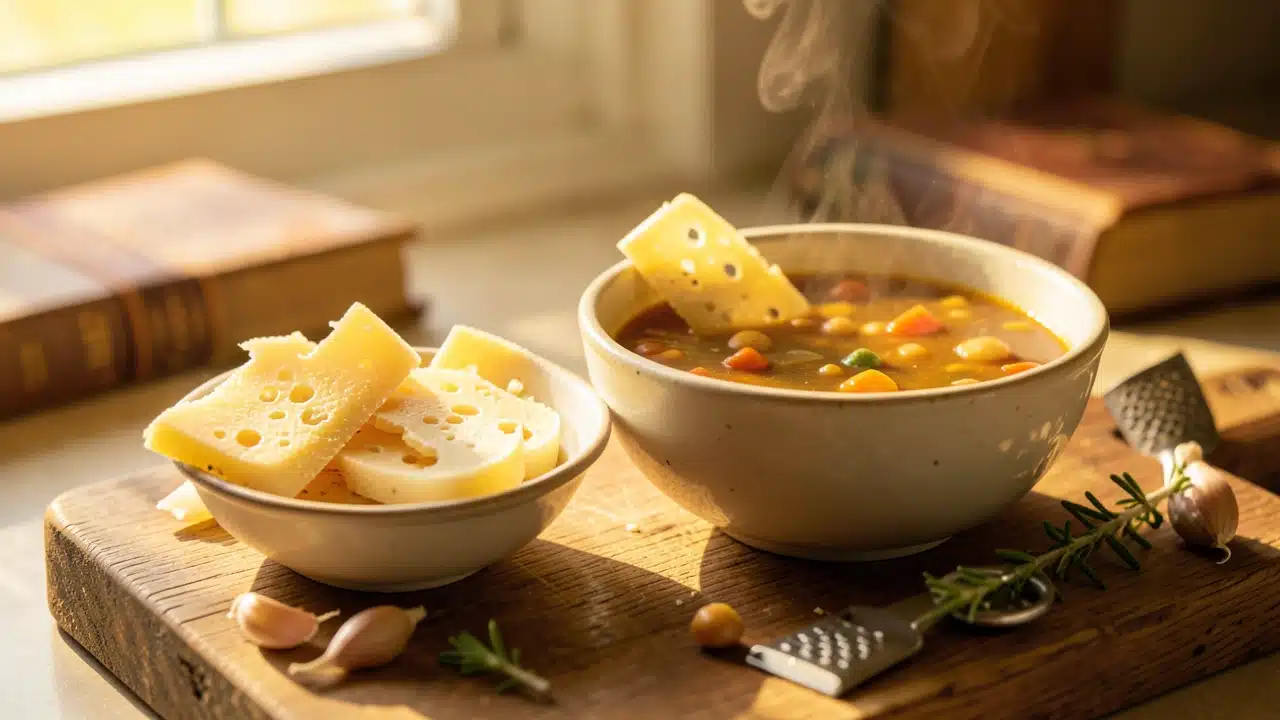
Parmesan rinds belong in soup, not compost, because they still hold concentrated salty, nutty, umami flavour after the cheese is grated away.
Simmering a clean rind in broth, beans, tomato sauce, or minestrone adds depth without clumping like grated cheese. Remove the softened rind before serving and store extras in the freezer.
That hard, leftover bit of Parmesan cheese rind might seem like trash, but it’s actually packed with flavor.
Instead of tossing it in the compost bin, you can transform it into something truly special for your cooking.
Learning Why Parmesan Rinds Belong in Soup, Not Compost: 6 Cooking Uses will help you get more from your groceries and add a depth of taste to your dishes that store-bought ingredients just can’t match.
Get ready to discover how this humble scrap can become a secret weapon in your kitchen.
Key Takeaways
- Parmesan rinds add a rich, umami flavor to broths and soups.
- They can be simmered in sauces to deepen their taste.
- Parmesan rinds can be used to infuse oils with cheesy goodness.
- They are excellent for adding flavor to cooked grains like rice and risotto.
- Frozen Parmesan rinds are a convenient way to have flavor boosters on hand.
- Using Parmesan rinds reduces food waste and saves money.
Unlock Deeper Flavor: The Magic of Parmesan Rinds in Soups and Broths
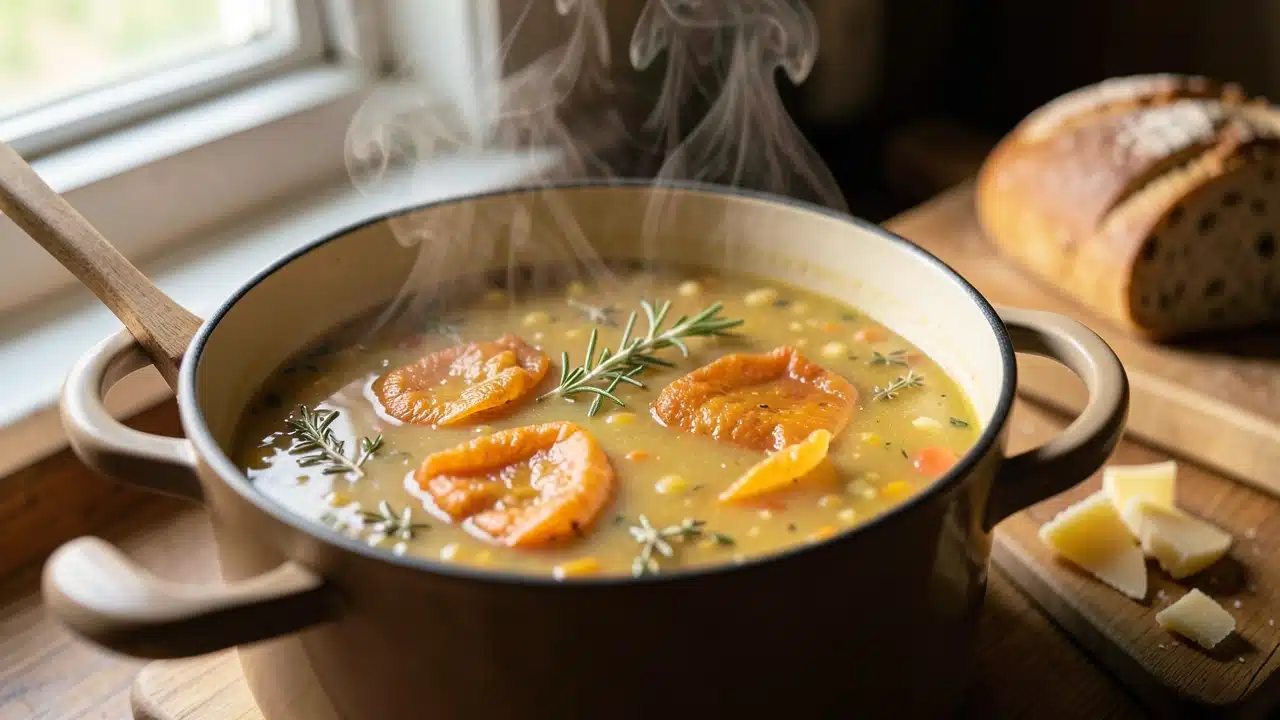
Many home cooks toss Parmesan cheese rinds without a second thought. This is a missed opportunity for incredible flavor. The rind, though tough, is the most concentrated part of the cheese’s aged goodness.
When simmered, it releases its savory, nutty, and slightly salty essence into liquids. This is why understanding Why Parmesan Rinds Belong in Soup, Not Compost: 6 Cooking Uses is so valuable for any home chef looking to elevate their cooking.
Think of it like a bay leaf or a sprig of thyme. You don’t eat it, but it infuses the dish with its unique character. Parmesan rinds do the same, but with a distinctly cheesy, umami punch.
This depth of flavor is hard to replicate with just spices. It adds a foundational savoriness that makes simple soups taste like they’ve been simmering for hours.
For the best results, use rinds from good quality Parmesan. The longer aged the cheese, the more intense the flavor of the rind will be. You can add a rind directly to your soup pot as it simmers.
Make sure to remove it before serving, as it will become even tougher as it cooks.
Beyond Broth: Simmering Sauces to Savory Perfection
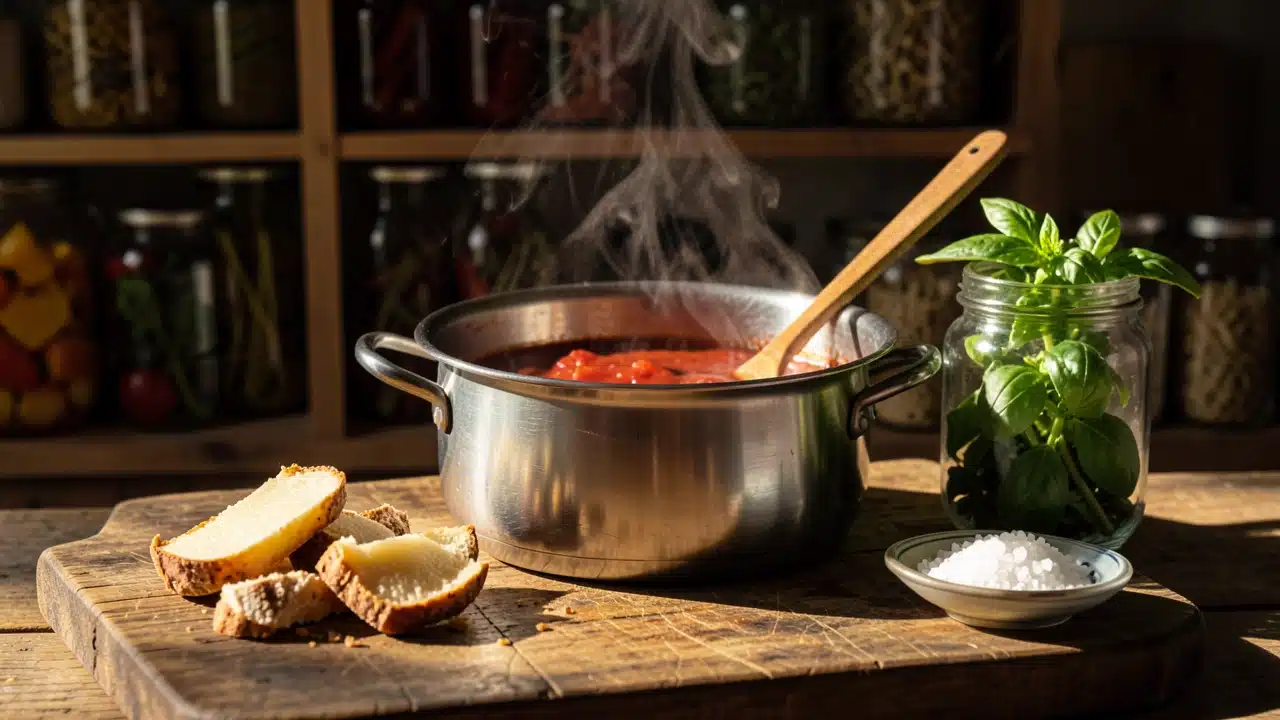
The benefits of Parmesan rinds extend far beyond basic broths. Imagine your favorite tomato sauce, a creamy Alfredo, or even a hearty Bolognese.
Adding a Parmesan rind during the simmering process can transform these familiar dishes into something extraordinary.
This is a core part of Why Parmesan Rinds Belong in Soup, Not Compost: 6 Cooking Uses, as it applies the same flavor-infusing principle to a wider range of recipes.
When a Parmesan rind simmers in a sauce, it slowly dissolves, leaving behind a subtle but significant layer of rich, cheesy flavor.
This adds a complexity that complements the other ingredients without overpowering them. It’s a natural way to enhance the savory notes in your sauce, making it more satisfying and delicious.
First, ensure your sauce is simmering gently. Then, add one or two clean Parmesan rinds. The amount you use will depend on the size of the rind and how strong a flavor you desire.
Let it simmer for at least 30 minutes, or even longer for deeper flavor infusion. Remember to fish out the rind before you serve the sauce.
This technique is particularly effective in sauces that already have a tomato base. The acidity of the tomatoes pairs beautifully with the rich, salty flavor of the Parmesan. It creates a well-rounded taste profile that is both comforting and sophisticated.
You’ll find that your sauces taste richer and more complex than ever before.
Infuse Your Fats: Cheesy Oils and Butters
Parmesan rinds aren’t just for liquids; they can also impart their flavor into fats. This opens up a whole new world of delicious possibilities for dressings, marinades, and cooking mediums.
Understanding Why Parmesan Rinds Belong in Soup, Not Compost: 6 Cooking Uses includes appreciating how versatile these rinds truly are.
You can create a flavorful Parmesan-infused oil by gently heating olive oil with a few clean Parmesan rinds.
The rind will slowly soften and release its cheesy essence into the oil. This infused oil can then be used as a base for salad dressings, for drizzling over roasted vegetables, or even for sautéing.
Second, prepare your Parmesan rind by ensuring it’s clean. Gently warm a good quality olive oil in a saucepan over low heat. Add the rind and let it infuse for about 20-30 minutes.
Do not let the oil get too hot; you want a gentle infusion, not frying. The oil should take on a slightly golden hue and a subtle cheesy aroma.
Alternatively, you can soften Parmesan rinds in butter. Place a few rinds in a saucepan with unsalted butter over very low heat. Let them infuse until the butter is fragrant and has absorbed some of the cheese flavor.
This cheesy butter can then be used to finish pasta dishes, spread on bread, or melt over grilled meats. It’s a simple way to add a gourmet touch to everyday meals.
Flavorful Foundations: Cooking Grains with Parmesan Rinds
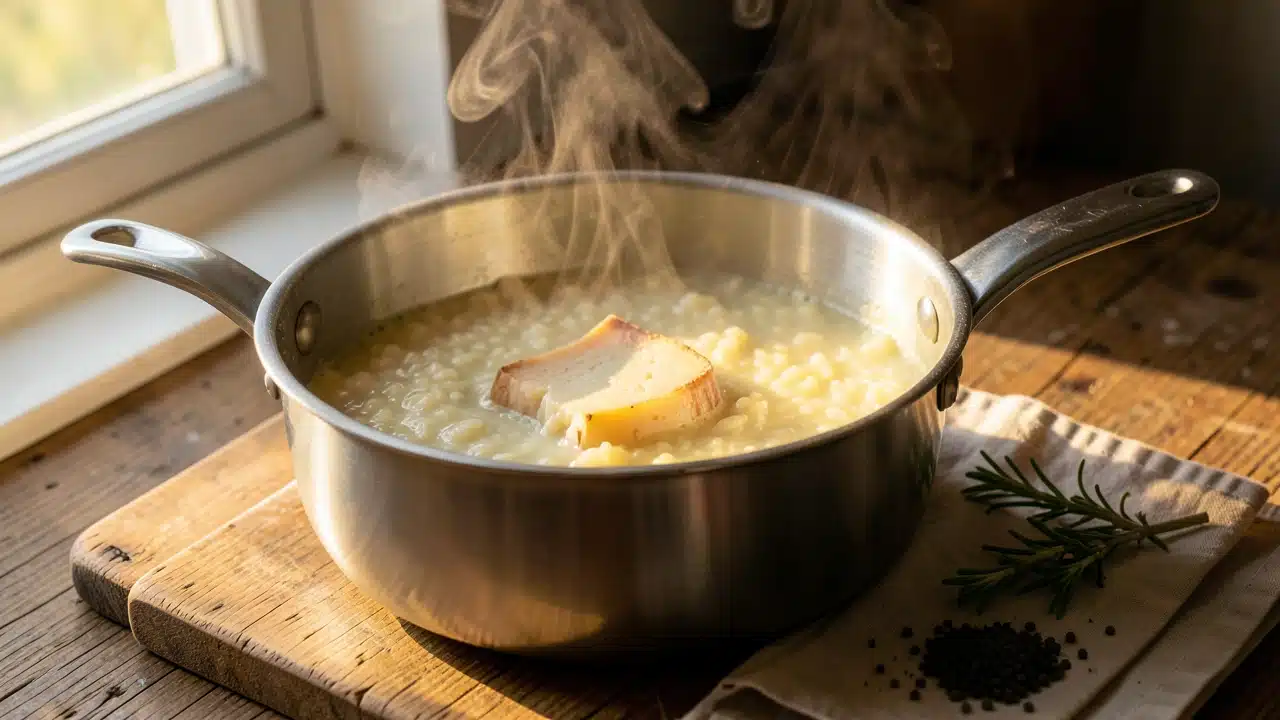
When cooking grains like rice, risotto, or even quinoa, water or broth is typically used. But what if you could add an extra layer of savory flavor right from the start? Parmesan rinds are perfect for this.
This is a key insight into Why Parmesan Rinds Belong in Soup, Not Compost: 6 Cooking Uses, showing how they can enhance even simple side dishes.Simmering a Parmesan rind in the cooking liquid for grains adds a subtle, nutty, and umami background note.
This makes your side dishes more interesting and satisfying. It’s especially effective in dishes like risotto, where the creamy texture already pairs well with cheese.
Third, when you start cooking your risotto, add a Parmesan rind to the broth you are using. As the rice absorbs the liquid, it also absorbs the delicious flavor from the rind.
This creates a more complex and deeply flavored risotto without needing to add as much grated cheese at the end.
For plain rice, you can add a rind to the water. It won’t make the rice taste overtly cheesy, but it will give it a more rounded, savory quality. This is a fantastic way to elevate simple steamed rice into something more special.
Just remember to remove the rind before serving.
Convenience and Savings: Freezing Your Parmesan Rinds
You might wonder how to manage your Parmesan rinds if you don’t cook with them immediately. The answer is simple: freeze them!
This is a crucial tip for implementing Why Parmesan Rinds Belong in Soup, Not Compost: 6 Cooking Uses, ensuring you always have flavor boosters ready.
Freezing Parmesan rinds preserves their flavor and makes them easy to store until you need them. It’s an excellent way to ensure you don't waste any part of this flavorful ingredient. This practice also contributes to reducing food waste in your kitchen.
Fourth, after you’ve enjoyed your Parmesan cheese, clean the rind with a damp cloth to remove any loose cheese.
Then, place the rinds in a freezer-safe bag or container. You can freeze them individually or in small batches.
They will keep well in the freezer for several months.
When you’re ready to use a frozen rind, there’s no need to thaw it completely. You can often toss it directly into a simmering soup, sauce, or pot of cooking grains. The cold rind will warm up quickly in the hot liquid.
This makes it incredibly convenient to add that extra layer of flavor whenever you need it.
A Comparison: Parmesan Rinds vs. Other Flavor Enhancers
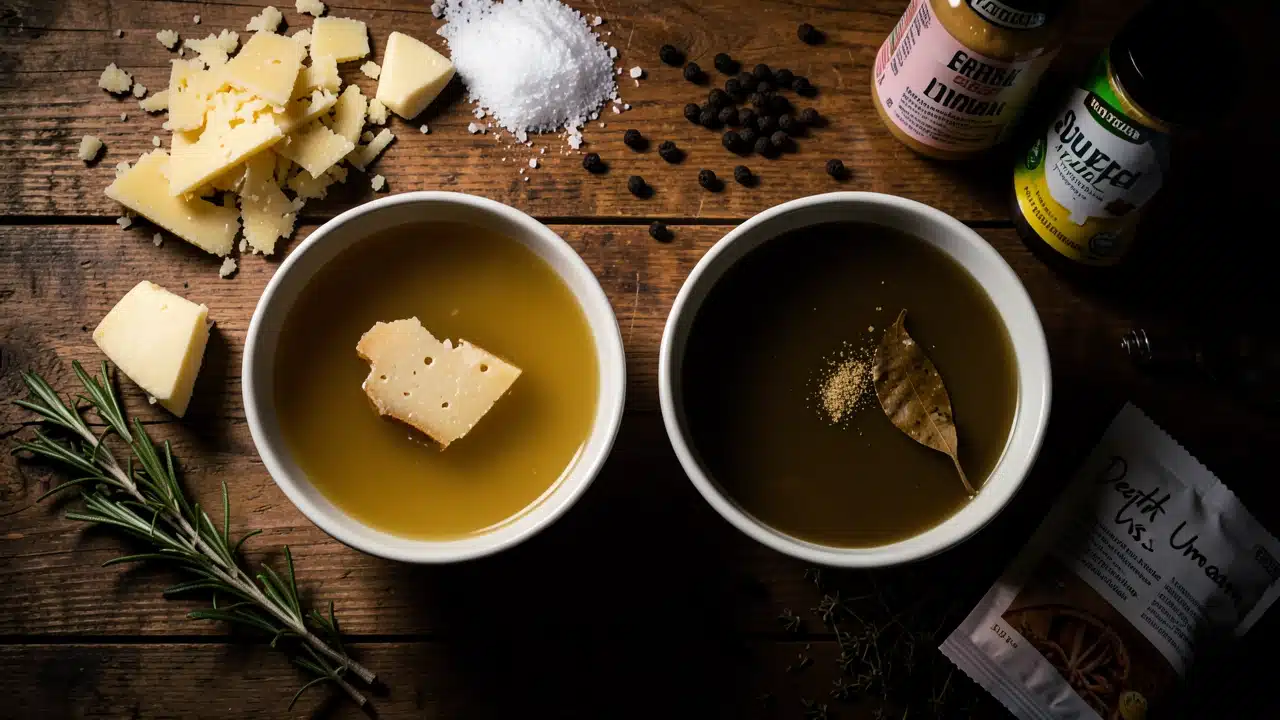
To truly appreciate the value of Parmesan rinds, it’s helpful to compare them to other common flavor enhancers used in cooking.
Understanding Why Parmesan Rinds Belong in Soup, Not Compost: 6 Cooking Uses becomes clearer when you see how they stack up against alternatives.
| Flavor Profile | Rich, nutty, umami, savory | Intensely salty, often artificial savory notes | Varies, can be watery or have artificial notes | Fresh, aromatic, specific to the herb |
| Cost | Free (from leftover cheese) | Low cost per use | Moderate cost per use | Varies, can be expensive for fresh |
| Food Waste Reduction | High (utilizes a byproduct) | Low (manufactured product) | Low (manufactured product) | Moderate (can wilt if not used) |
| Preparation | Simmer and remove | Dissolve in liquid | Pour and heat | Chop or add whole |
| Naturalness | Highly natural, simple ingredient | Often contains additives, preservatives | Can contain additives, preservatives | Highly natural |
As you can see, Parmesan rinds offer a unique combination of natural flavor, cost-effectiveness, and waste reduction.
While bouillon and store-bought broths offer convenience, they often come with artificial ingredients and a less nuanced flavor.
Fresh herbs are wonderful, but their flavor profile is different and they don’t provide the same deep umami base that Parmesan rinds do.
This comparison highlights that Why Parmesan Rinds Belong in Soup, Not Compost: 6 Cooking Uses is not just about flavor; it’s about smart, sustainable cooking. It’s about maximizing the value of the ingredients you buy and minimizing what goes into the trash.
The “Why”: The Science Behind the Savory Flavor
The deep, satisfying flavor that Parmesan rinds impart comes from the aging process of the cheese itself.
This is a key element in understanding Why Parmesan Rinds Belong in Soup, Not Compost: 6 Cooking Uses, as it delves into the culinary science behind the taste.
Parmesan cheese is a hard, aged cheese. During its long aging period (often 12 to 36 months or even longer), proteins in the milk break down into smaller compounds called amino acids. One of the most important amino acids for savory flavor is glutamate. The savory flavor of the Parmigiano-Reggiano cheese rind comes from glutamate released during aging.
Glutamate is naturally occurring and is responsible for the fifth taste, umami.
The rind of the Parmesan cheese is the outermost layer. It’s exposed to air and the aging environment for the longest time.
This means it has a higher concentration of these flavorful compounds, including glutamate, as well as fats and other savory elements.
When you simmer the rind in liquid, these compounds are slowly released, infusing the liquid with that characteristic rich, savory taste.
Fifth, when you add a Parmesan rind to your soup or sauce, you’re essentially adding a concentrated source of umami.
This umami flavor makes other tastes seem richer and more balanced. It’s what gives dishes a “mouth-watering” quality and makes them taste deeply satisfying.
It’s a natural flavor enhancer that’s hard to beat.
The texture of the rind also plays a role. While it’s too tough to eat on its own, its density allows it to release its flavor slowly and steadily over time during simmering.
This gradual infusion prevents the flavor from becoming overwhelming, ensuring a pleasant and well-rounded taste in your final dish.
This slow release is a significant advantage.
Six Ways to Use Your Parmesan Rinds
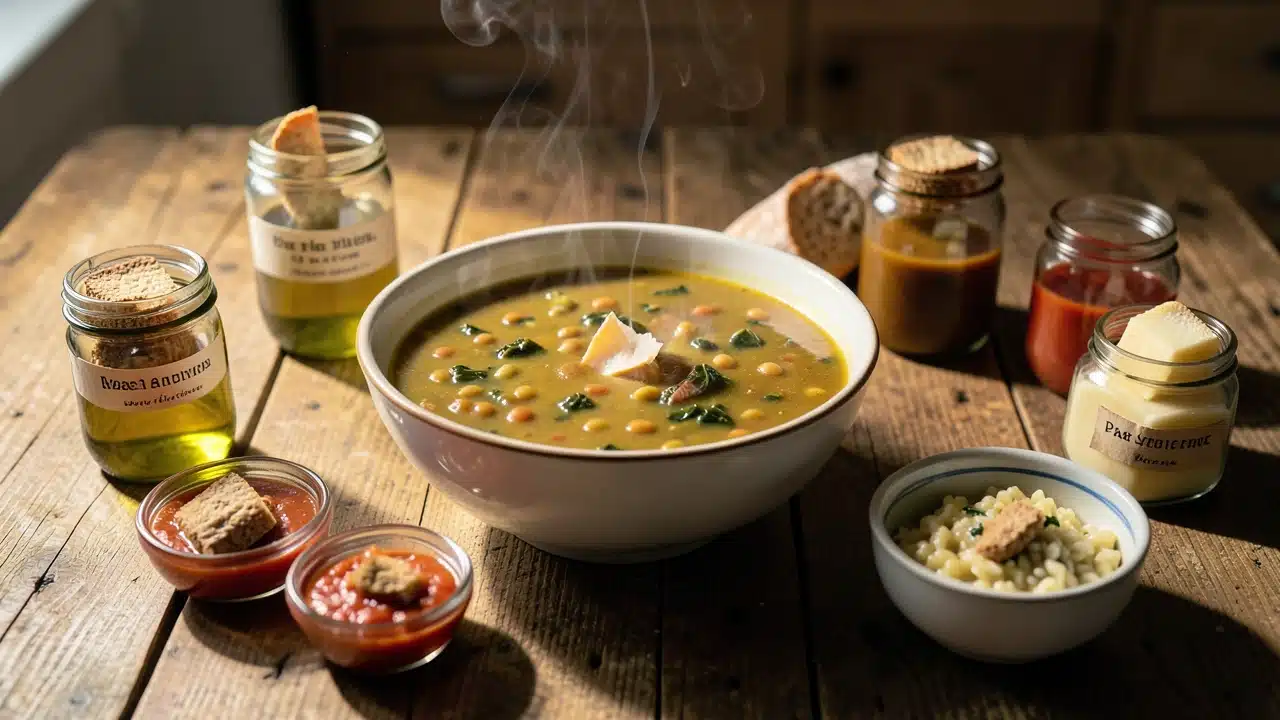
Now that you understand the ‘why,’ let’s recap the practical applications that demonstrate Why Parmesan Rinds Belong in Soup, Not Compost: 6 Cooking Uses.
- Flavor Soups and Broths: Add a rind to any soup or broth as it simmers. This is the most common and perhaps the easiest way to use them. Remove the rind before serving.
- Enrich Sauces: Simmer a rind in tomato sauces, cream sauces, or meat sauces to add depth and a savory, cheesy undertone.
- Infuse Oils and Butters: Gently heat olive oil or butter with Parmesan rinds to create flavorful cooking fats for dressings, marinades, or finishing dishes.
- Enhance Cooked Grains: Add a rind to the liquid when cooking rice, risotto, quinoa, or other grains for a subtle savory boost.
- Add to Stews and Braises: Just like with soups, rinds can add layers of flavor to slow-cooked stews and braised meats.
- Flavor Risotto: This is a special mention because risotto is practically made for Parmesan. A rind during cooking adds incredible depth.
Finally, remember to clean your rinds before using them. A simple wipe with a damp cloth is usually sufficient. Avoid washing them under running water, as this can degrade the cheese’s flavor and texture.
Proper preparation ensures the best results.
Frequently Asked Questions Of Why Parmesan Rinds Belong In Soup, Not Compost
Question: How long should I simmer Parmesan rinds in soup?
Answer: You can simmer Parmesan rinds for as little as 30 minutes for a subtle flavor, or for several hours to extract maximum flavor. Remove the rind before serving.
Question: Can I eat the Parmesan rind after simmering?
Answer: No, Parmesan rinds become very tough and chewy when cooked. They are meant to infuse flavor and should be removed and discarded (or composted if you choose not to use them for other cooking purposes).
Question: What if my Parmesan rind is very small?
Answer: Even small rinds have flavor! Use more of them, or combine them with other aromatics like garlic or onion in your cooking liquid. The principle of Why Parmesan Rinds Belong in Soup, Not Compost: 6 Cooking Uses still applies.
Question: Can I use Parmesan rinds in vegetarian dishes?
Answer: Yes, Parmesan rinds are vegetarian. They are made from milk and do not contain animal rennet in many cases, though it’s always good to check the label if you are strictly vegetarian or vegan (though Parmesan itself is not vegan).
Question: What is the best way to store Parmesan rinds for later use?
Answer: The best way is to freeze them. After cleaning, place them in a freezer-safe bag. They will keep for months and can be added directly to cooking liquids from frozen.
Question: Are Parmesan rinds salty?
Answer: Yes, Parmesan cheese is naturally salty. Be mindful of this when adding salt to your dish after using a rind, especially if you’ve used several.
Question: Does the type of Parmesan matter for the rinds?
Answer: Yes, aged Parmesan like Parmigiano-Reggiano will have the most intense and complex flavor in its rind. Younger or lower-quality Parmesan will yield a milder flavor.
Final Thoughts
Utilizing Parmesan rinds in your cooking is a simple yet impactful way to enhance flavor and reduce waste. Cooking with Parmesan rinds helps reduce food waste while adding rich flavor.
By understanding Why Parmesan Rinds Belong in Soup, Not Compost: 6 Cooking Uses, you can unlock a depth of savory taste in your dishes that’s both economical and delicious. Start saving those rinds today and transform your cooking. Understanding umami flavor enhancement helps explain why Parmesan rinds add depth to soups.