The Kitchen Work Triangle Explained: Is It Still Relevant?
Ever felt like your kitchen layout just isn’t working? You might have heard about something called The Kitchen Work Triangle Explained: Is It Still Relevant?
It sounds a bit technical, which can make it tricky when you’re just starting to think about your kitchen. But don’t worry!
We’ll break it down super simply, step by step. Get ready to see how your kitchen can feel much easier to use. First, let’s look at what this “triangle” idea is all about and why people talk about it.
Key Takeaways
- The kitchen work triangle connects the sink, refrigerator, and stove.
- It aims to make kitchen tasks more efficient by reducing steps.
- Modern kitchens have evolved, and the triangle might not fit every design.
- Newer concepts like work zones offer more flexibility for current needs.
- Understanding your own cooking habits is key to a good kitchen layout.
- Even with new ideas, the basic flow of a kitchen remains important.
![The Kitchen Work Triangle Explained Is It Still Relevant[1]](https://kitchentoolslab.com/wp-content/uploads/2026/05/The_Kitchen_Work_Triangle_Explained__Is_It_Still_Relevant1.jpg)
Understanding The Kitchen Work Triangle
The idea of the kitchen work triangle is pretty simple. It’s a layout concept that connects the three main work areas in a kitchen: the sink, the refrigerator, and the stove. Think of these as the corners of a triangle.
The goal is to place these elements so that the distance between them is practical. This way, you can move easily between them without having to walk too far or bump into things. It’s meant to make cooking and cleaning smoother.
This concept was developed many years ago, back when kitchens were designed differently. The idea was that a cook would spend most of their time moving between these three points. By keeping the distances reasonable, less time would be wasted walking.
This could make tasks like washing vegetables at the sink, then moving them to the stove to cook, or grabbing ingredients from the fridge, much faster. It’s all about making the kitchen a more effective place to work.
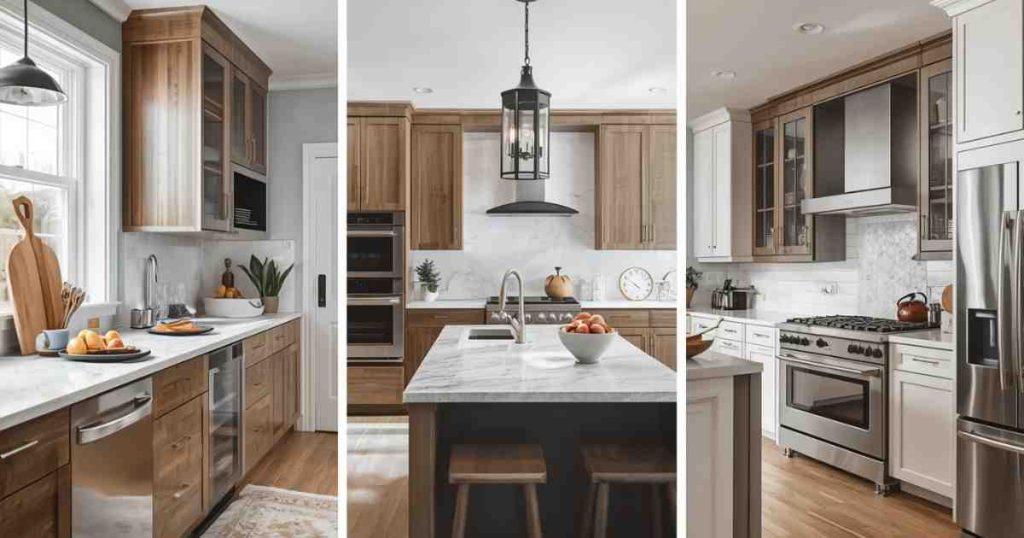
The Three Main Points
The sink is where a lot of food prep and cleanup happens. You wash produce, wash dishes, and get water for cooking. It’s a hub for many kitchen activities.
The refrigerator is where you store all your food. You need to access it often to get ingredients for any meal you’re making. It’s the pantry of the kitchen.
The stove or cooktop is where you do the actual cooking. This is where meals come to life through heating and combining ingredients.
These three points are seen as the core of kitchen functionality. The theory suggests that the space between them should be clear and not too long. This creates an efficient workflow.
Why The Triangle Was Popular
For a long time, The Kitchen Work Triangle Explained: Is It Still Relevant? was the go-to rule for kitchen design. It was easy to explain and understand. Designers and homeowners alike could use it as a simple guide to create a functional kitchen.
It helped avoid common layout problems, like having the stove too far from the prep area or the fridge awkwardly placed.
The benefit was a more organized kitchen. With a well-placed triangle, you could grab something from the fridge, wash it at the sink, and then place it on the stove with minimal steps. This meant less searching for items and less walking back and forth.
It made the kitchen feel less chaotic and more like a place where you could get things done efficiently.
- Efficiency: Reduced walking distance between key areas saved time.
- Simplicity: An easy-to-grasp concept for designers and homeowners.
- Functionality: Helped create practical spaces for cooking and cleaning.
Example of a Good Triangle
Imagine a kitchen with the refrigerator on one wall. Across from it, on another wall, is the sink. Then, on a third wall, or possibly an island, is the stove.
The distances between these points are short, maybe around 4 to 9 feet each. This allows a cook to move smoothly between getting food, washing it, and cooking it without a lot of extra steps.
Evolution of Kitchen Design
Kitchens today are often much larger and more open than they were when the work triangle was first introduced.
We also use our kitchens in different ways. Many homes have islands with sinks or cooktops, or multiple cooks working in the kitchen at once.
This has led designers to think about new ways to make kitchens work well.
The traditional triangle doesn’t always fit these newer, more complex kitchen layouts. In large kitchens, the distances between the triangle points might become too long. In kitchens with islands, the island can break up the triangle.
This means the old rule might not be the best guide for everyone anymore. We need to consider other factors.
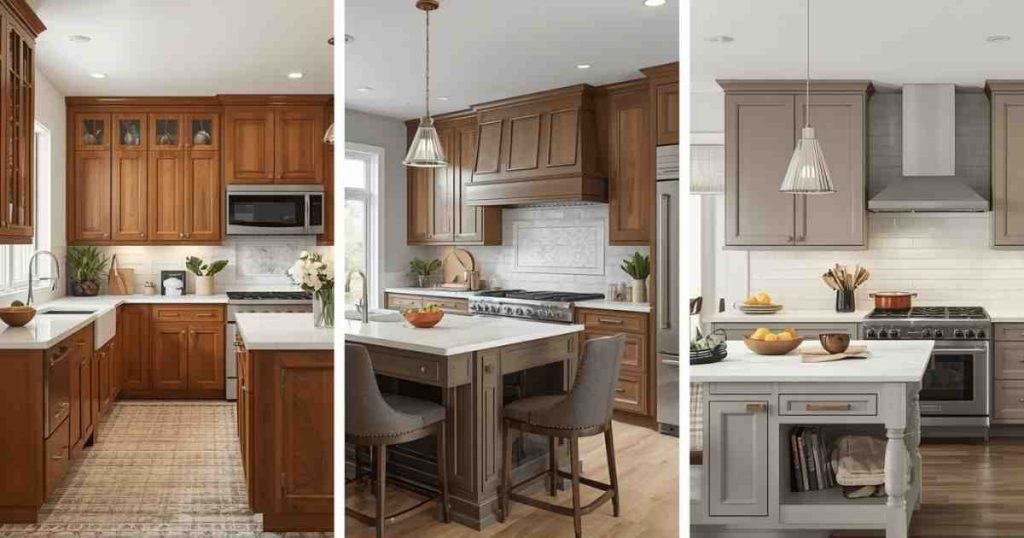
Open-Plan Living
Many modern homes feature open-plan living. This means the kitchen is part of a larger space, often connected to the dining and living areas. In these layouts, the kitchen needs to be not only functional but also aesthetically pleasing.
The triangle concept, which focuses solely on workflow, doesn’t always account for how the kitchen looks and feels within the rest of the home.
The open design can also mean that the “work” areas of the kitchen are more spread out. For instance, the main sink might be on a perimeter wall, while a prep sink is on a large island. The stove could be on another wall.
This creates more complex pathways than a simple triangle could easily define.
The Role of Islands
Kitchen islands have become very popular. They can serve many purposes: extra counter space, storage, a place for casual dining, or even housing appliances like a cooktop or sink. When an island is present, it can change the shape and flow of the kitchen.
Sometimes, the island itself becomes a central work area, blurring the lines of a strict triangle.
If an island has a sink or cooktop, it can become one of the “points” of a new kind of work area. This might mean the traditional triangle is less relevant, or it needs to be adapted. The island’s placement becomes crucial for how the rest of the kitchen functions around it.
It can create new work zones.
Multiple Cooks and Tasks
In many households, more than one person cooks, or people do different tasks in the kitchen at the same time. One person might be prepping at the sink while another is cooking at the stove. The classic triangle assumes one primary cook.
With multiple people, you might need more space and different pathways to avoid congestion.
For example, if two people are making a meal, one might need to access the refrigerator while the other is at the stove. If the triangle is tight, they could get in each other’s way. Newer designs might focus on providing enough clear space for several people to work without interfering with each other.
This often means thinking about zones rather than a single triangle.
The Kitchen Work Triangle Explained: Is It Still Relevant?
So, is The Kitchen Work Triangle Explained: Is It Still Relevant? The short answer is: it’s a helpful starting point, but not the only rule.
While the basic idea of efficient flow between sink, fridge, and stove is still important, it might not be the perfect fit for every modern kitchen. Its relevance depends on the size and style of your kitchen, as well as how you use it.
Many designers still use the triangle as a foundation. They might adapt it or combine it with other concepts. For instance, they might ensure the distances are practical but also consider how the kitchen fits into an open-plan space or accommodates multiple users.The spirit of the triangle – making kitchen tasks easier – lives on, but the rigid shape might not always apply.
Modern Kitchen Design Concepts
As kitchens have changed, so have the ideas for designing them. Instead of just focusing on a single triangle, designers now think about different “zones” or areas within the kitchen. This allows for more flexibility and better use of space, especially in larger or more complex layouts.
These zones are created based on specific tasks. You might have a prep zone, a cooking zone, a cleaning zone, and a storage zone.
This approach recognizes that different activities happen in different parts of the kitchen and that these areas need to be well-planned for efficiency and convenience.
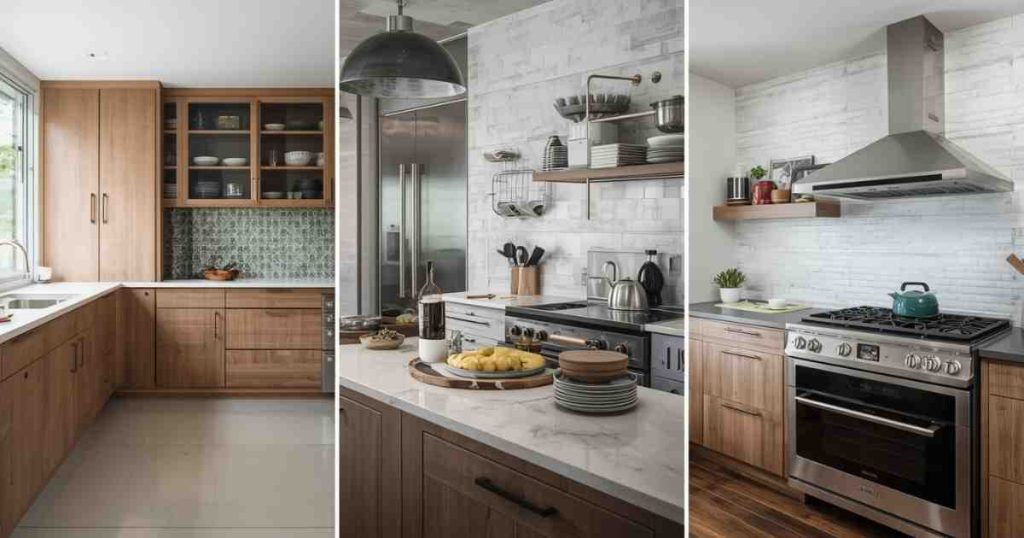
Work Zones Approach
The work zones approach is a popular alternative to the strict work triangle. Instead of a single triangle, the kitchen is divided into different areas for specific tasks. Common zones include the primary prep area, the cooking area, the cleaning area, and the storage area.
This concept is particularly useful in larger kitchens or those with islands. It allows for a more logical flow of activities. For example, you might have a large counter space near the refrigerator and sink for food prep.
Then, the cooking zone would be near the stove. The cleaning zone would center around the sink and dishwasher.
Prep Zone
This is where most of the food preparation happens. It usually includes a large counter space, often located between the sink and the refrigerator. This zone is ideal for washing, chopping, and mixing ingredients.
Having ample counter space here is key to making meal preparation easier and less cluttered.
Having enough room in the prep zone allows for multiple tasks to occur simultaneously without everything feeling cramped. You can spread out ingredients, use various utensils, and move about freely. It’s the heart of active cooking before the food hits the heat.
Cooking Zone
This zone is focused on the stove, oven, and any other cooking appliances. It includes nearby counter space for placing hot dishes, ingredients you're actively using, and cooking tools. Easy access to spices and cooking utensils is also important here.
Having dedicated counter space next to the cooktop allows for safe placement of pots and pans when you remove them from heat. It also provides a convenient spot to keep frequently used cooking items within reach. This makes the cooking process more fluid and less interrupted.
Cleaning Zone
This area is centered around the sink and dishwasher. It’s where dirty dishes are placed, and where you wash produce or clean cooking tools. Having storage for cleaning supplies nearby is also practical.
A well-organized cleaning zone can make kitchen cleanup much less of a chore. Having the dishwasher close to the sink means less carrying of dishes. Easy access to soap, sponges, and towels keeps everything you need for tidying up close at hand.
Storage Zone
This is where food and kitchen supplies are kept. It includes the refrigerator, pantry, and cabinets. The idea is to group related items together for easy access.
For example, your baking supplies might be stored together in one area, while your everyday dishes and glasses are in another. Efficient storage planning means less time spent searching for what you need. This can be integrated into other zones.
For instance, spices can be in the cooking zone, and pots and pans can be near the stove.
Layouts That Work Today
Modern kitchens often feature layouts that are more flexible than the strict triangle. Galley kitchens, L-shaped kitchens, and kitchens with large islands all require different approaches. Designers aim to create efficient workflows within these specific shapes.
For instance, in an L-shaped kitchen, the sink might be on one leg of the “L,” the stove on the other, and the refrigerator placed strategically to create a functional flow. In kitchens with islands, the island can serve as a central prep area, a cooktop, or even a secondary sink, changing how the main points of the triangle interact.
G-Shaped and U-Shaped Kitchens
These layouts offer ample counter space and storage. A G-shaped kitchen has four walls of cabinets and counters, while a U-shaped kitchen has three. They can create very efficient work areas, sometimes forming multiple triangles or zones.
In a U-shaped kitchen, the sink might be on one side, the stove on another, and the refrigerator on the third. This can create a very compact and efficient triangle. Alternatively, the sink could be in the middle, with the fridge and stove on opposite sides, allowing for distinct prep and cooking areas.
Island Kitchens
Kitchens with islands offer great flexibility. The island can be a primary prep surface, a place for a cooktop, or even a sink. This allows for a more spread-out and collaborative kitchen environment.
An island can act as the center of the kitchen. You might have the sink and refrigerator on the perimeter walls, and the island serves as the cooking zone. Or, the island could have a prep sink and counter space, with the main cooking appliances on the perimeter.
The Importance of Flow
Regardless of the specific layout or concept used, the most important thing is good flow. This means being able to move around the kitchen easily and access everything you need without unnecessary steps or obstacles.
Good flow ensures that tasks can be completed smoothly. It prevents congestion and makes the kitchen a more enjoyable place to work. Whether you’re cooking a complex meal or just making a sandwich, a well-flowing kitchen makes a big difference.
Factors Influencing Kitchen Layout Today
When planning a kitchen, many things are considered beyond just the classic triangle. The size of the kitchen, the needs of the people who use it, and the overall style of the home all play a role in creating a layout that is both beautiful and practical.
Understanding these factors helps ensure the kitchen meets the demands of modern living. It’s about creating a space that works for you, your family, and your lifestyle. A good layout is a personalized one.
Kitchen Size and Shape
The dimensions of your kitchen are a major factor. A small kitchen might benefit from a more compact layout, possibly adapting the triangle more strictly. A large kitchen, however, might require a different approach, perhaps using multiple zones or a modified triangle to avoid excessively long walks.
The shape of the kitchen also dictates possibilities. A long, narrow galley kitchen might work best with appliances placed along both sides, creating a central pathway. A square kitchen might lend itself well to a U-shape or a central island.
Galley Kitchens
Galley kitchens are long and narrow, with cabinets and countertops on one or both sides. They can be very efficient if laid out correctly. The key is to place the main work areas in a way that allows for clear movement through the space.
In a single-line galley kitchen, all appliances and counters are on one wall. This is very space-saving but can limit workflow. In a double-line galley, the work triangle might be formed between the two sides, or zones might be established along each wall.
Small Kitchens
For small kitchens, efficiency is paramount. The traditional work triangle can still be a useful guide, but it needs to be implemented in a compact way. Every inch counts, so multi-functional elements and smart storage are essential.
In a small space, the goal is to keep the work triangle as tight as possible without making it feel cramped. This might mean placing the sink and stove close together, with the refrigerator nearby. Prioritizing essential appliances and features is key.
Lifestyle and Habits
How you actually use your kitchen is perhaps the most important consideration. Do you love to cook elaborate meals, or do you mostly heat up pre-made dishes? Do you often entertain guests while you cook?
Do you have multiple people in the kitchen at once?
Your answers will guide the ideal layout. A keen cook might need a large prep area and easy access to spices. A family that eats together often might need a breakfast nook or a kitchen island with seating.
Considering these habits ensures the kitchen truly serves its users.
Entertaining
If you frequently entertain, your kitchen layout should support that. This might mean having an island with seating for guests to chat with the cook. It could also mean having ample counter space for serving dishes.
Easy access between the cooking area and the dining area is also important.
An open-plan kitchen design is often favored by those who entertain. It allows the host to interact with guests while preparing food. The kitchen becomes a social hub, not just a place for work.
Family Needs
For families, a kitchen often serves many purposes beyond just cooking. It’s a place for kids to do homework, a casual spot for quick meals, and a central gathering point. Layouts that accommodate these diverse needs are essential.
Considerations for families might include durable countertops, easy-to-clean surfaces, and safety features. A central island can be a great spot for children to sit and do homework while a parent cooks nearby. Easy access to snacks and drinks is also a plus.
Appliance Placement and Needs
The type and placement of appliances significantly impact kitchen flow. Modern appliances offer more options, from induction cooktops to counter-depth refrigerators, all of which can influence layout decisions.
When planning a kitchen, think about how often you’ll use each appliance and where it makes the most sense to place it relative to other work areas. For example, a microwave might be placed near the refrigerator for easy snack preparation, or integrated into an island.
Common Appliance Considerations
When designing your kitchen, think about where you want your stove, refrigerator, and sink to be. Also, consider where you want your dishwasher, microwave, and other small appliances. Their placement should support your workflow.
For instance, placing the dishwasher next to the sink makes loading dirty dishes easier. Keeping the refrigerator and pantry close together can streamline the process of gathering ingredients for cooking.
| Appliance | Typical Placement Goal | Impact on Workflow |
|---|---|---|
| Refrigerator | Accessible from cooking and prep areas. | Provides easy access to ingredients. |
| Sink | Central for prep and cleaning. | Hub for washing, rinsing, and waste disposal. |
| Stove/Oven | Near prep area and cooking zone. | Allows for easy transfer of ingredients for cooking. |
| Dishwasher | Adjacent to the sink. | Simplifies clearing dishes and cleaning. |
| Microwave | Convenient for quick meals or reheating. | Can be placed near fridge or in an easily accessible spot. |
The Future of Kitchen Design
Kitchen design is always moving forward. We see more emphasis on smart technology, sustainable materials, and flexible spaces. The kitchen is becoming more than just a place to cook; it’s a multi-functional hub for modern living.
As technology advances, kitchens will likely become even more integrated with smart devices. This could mean appliances that communicate with each other or countertops that can display recipes. The focus will remain on creating spaces that are efficient, comfortable, and adaptable to changing needs.
Making Your Kitchen Work for You
Even if your kitchen doesn’t have the perfect triangle, you can still make it work better for you. The key is to observe how you move and work in your kitchen and make small adjustments. Sometimes, a few changes can make a big difference.
Think about what tasks you do most often and how you can make those easier. Organizing your cabinets and drawers can also improve flow. It’s about creating a kitchen that feels natural and effortless to use.
Assessing Your Current Kitchen
Take a look at your own kitchen. Where do you spend most of your time? What feels awkward or inconvenient?
Are there certain tasks that always seem to take longer than they should?
Walk through the process of making a meal. Start by getting ingredients from the fridge, then move to the sink for washing, then to the stove for cooking. Note any steps that feel out of place or require too much walking.
This observation will highlight areas for improvement.
Example Scenario 1: The Inconvenient Fridge
Imagine you have to walk across the entire kitchen to get to the refrigerator from the main prep counter. This means every time you need an ingredient, you have a long trek. You could try moving frequently used items closer to the fridge, or perhaps rearrange some small appliances to free up counter space closer to where you gather ingredients.
Another solution might be to simply declutter the counter space. Having too many items on your main prep surface can make it feel smaller and more inconvenient. Removing unnecessary gadgets can create more usable space.
Example Scenario 2: The Crowded Cooking Area
Perhaps your stove is right next to a wall, making it hard to place hot pots or pans. You might not have enough space for utensils or spices nearby. Consider adding a small cart or a narrow pull-out spice rack next to the stove.
These small additions can greatly improve functionality.
You could also organize your pots and pans more efficiently. Using drawer organizers or pot racks can make them easier to access and store. The goal is to make the cooking process as smooth as possible.
Simple Tweaks for Better Flow
You don’t always need a major renovation to improve your kitchen’s function. Simple changes can make a big impact. Think about organization, decluttering, and smart placement of items you use often.
For instance, keeping your most-used spices and cooking oils on a shelf near the stove makes cooking much easier. Storing mixing bowls and baking sheets near your prep area also streamlines the process. Even small adjustments can make a big difference in how you feel about your kitchen.
Organization Tips
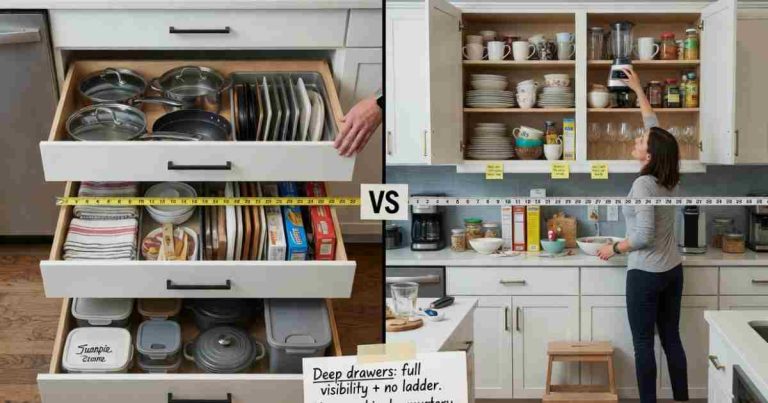
Proper organization is key to any kitchen layout. Use drawer dividers, shelf risers, and lazy Susans to make the most of your cabinet and drawer space. Keep frequently used items within easy reach.
Group similar items together. For example, keep all your baking supplies in one area, and your everyday dishes in another. This reduces the time spent searching for what you need.
A well-organized kitchen feels more spacious and functional.
Decluttering Strategies
A cluttered kitchen feels smaller and less efficient. Regularly go through your cabinets and drawers to get rid of items you no longer use or need. Donate unused gadgets or appliances.
Clear counter space as much as possible. Only keep items that you use daily on the countertops. Storing less-used items in cabinets or pantries can make your workspace feel much more open and usable.
Prioritizing Your Needs
Ultimately, the best kitchen layout is one that fits your personal needs and habits. The “work triangle” is a useful concept, but it’s just one tool among many. Your own lifestyle should be the primary guide. The Kitchen Work Triangle is a classic concept that many modern designs still reference.
Consider what is most important to you. Is it having a large space for entertaining? Is it making it easy for multiple people to cook at once?
Or is it simply having a clean and organized space to prepare meals?
Frequently Asked Questions Of The Kitchen Work Triangle Explained: Is It Still Relevant?
What are the three main points of the kitchen work triangle?
The three main points are the sink, the refrigerator, and the stove or cooktop. These are considered the primary work areas in a kitchen.
Why was the kitchen work triangle created?
It was created to improve kitchen efficiency by minimizing the distance a cook had to walk between the sink, refrigerator, and stove, making tasks faster and easier.
Is the kitchen work triangle still relevant today?
It’s still a useful starting point for thinking about kitchen flow, but it’s not always the best fit for modern kitchens, which are often larger and have different layouts like islands.
What is a popular alternative to the work triangle?
The work zones approach is a popular alternative. This divides the kitchen into areas for specific tasks like prep, cooking, and cleaning.
How can I improve my kitchen’s flow if I don’t have a perfect triangle?
You can improve flow by organizing your space, decluttering countertops, and strategically placing frequently used items to minimize steps. Observe how you use your kitchen and make adjustments.
Wrap Up
The Kitchen Work Triangle Explained: Is It Still Relevant? It’s a concept that helped shape kitchen design by focusing on efficiency. While the classic triangle offers a good starting point, modern kitchens often benefit from flexible work zones. Your own habits and kitchen size matter most.
Aim for a layout that makes your cooking and cleaning feel easy and natural.
The U.S. Department of Energy provides resources on kitchen design by focusing on efficiency and energy savings.

![What Is Kitchen Ergonomics How Good Design Reduces Fatigue And Injury[1]](https://kitchentoolslab.com/wp-content/uploads/2026/05/What_Is_Kitchen_Ergonomics__How_Good_Design_Reduces_Fatigue_And_Injury1-768x403.jpg)
![Kitchen Work Zones How To Organize Your Kitchen Into Functional Areas[1]](https://kitchentoolslab.com/wp-content/uploads/2026/05/Kitchen_Work_Zones__How_To_Organize_Your_Kitchen_Into_Functional_Areas1-768x448.jpg)
![How To Design A Kitchen For Tall People Counter Heights, Cabinet Reach, And More[1]](https://kitchentoolslab.com/wp-content/uploads/2026/05/How_To_Design_A_Kitchen_For_Tall_People__Counter_Heights_Cabinet_Reach_And_More1-768x448.jpg)