Why Cooked Rice Freezes Better Than Raw For Fast Meal Portions
Fermented garlic honey is an easy ferment because peeled garlic cloves are submerged in raw honey, then burped as bubbles form. Its long shelf life depends on acidity, cleanliness, and storage, not magic: botulism risk is controlled when pH stays below 4.6. Keep garlic covered, use clean jars, and avoid giving honey to infants.
Getting a quick meal on the table after a long day can be tough. You might be thinking about storing food for easy access.
Understanding Why Cooked Rice Freezes Better Than Raw for Fast Meal Portions is a simple trick that saves you time and effort.
When you freeze cooked rice, you get fluffy, ready-to-reheat portions that are perfect for busy weeknights or lunches.
This means no more last-minute cooking or ordering takeout. You’ll have healthy, home-cooked meals ready in minutes, saving you money and giving you more control over what you eat.
Key Takeaways
- Cooked rice is easier to portion and store than raw rice for freezing.
- Freezing cooked rice helps maintain its texture and flavor better than raw rice.
- Properly cooled and stored cooked rice prevents freezer burn and spoilage.
- Reheating frozen cooked rice yields a better result compared to frozen raw rice.
- Batch cooking and freezing rice saves significant time during busy periods.
- This method is ideal for creating fast meal portions for individuals or families.
Why Cooked Rice Freezes Better Than Raw for Fast Meal Portions: The Science Behind It
Many people wonder about the best way to store rice for quick meals. The answer often involves freezing. But why does cooked rice work so much better than raw rice when it comes to freezing for fast meal portions?
It all comes down to how water behaves during the cooking and freezing processes. When you cook rice, the grains absorb water and swell. This makes them tender and palatable.
Raw rice, on the other hand, is hard and dry.
The structure of the rice grain changes significantly when cooked. This change is key to understanding Why Cooked Rice Freezes Better Than Raw for Fast Meal Portions. Cooked rice has a softer, more porous structure.
This allows it to absorb moisture when cooked and then release it more evenly when reheated. Raw rice, with its dense, starchy structure, doesn’t absorb moisture in the same way. This difference is crucial for both texture and taste after freezing.
Understanding Rice Texture: Cooked vs. Raw
Let’s break down the difference in texture between cooked and raw rice. Raw rice grains are hard and brittle. They contain a lot of starch, but it’s in a compact form.
When you cook rice, you heat it with water. This process gelatinizes the starch. Gelatinization means the starch granules absorb water and swell up.
They become soft and digestible. This is what gives cooked rice its fluffy or sticky texture, depending on the type of rice.
This transformation during cooking is the primary reason Why Cooked Rice Freezes Better Than Raw for Fast Meal Portions.
The water that entered the grain during cooking becomes part of its structure. When you freeze cooked rice, this moisture is trapped within the softened grain.Upon thawing and reheating, this moisture can be released gradually, helping to restore the rice to a pleasant texture. Raw rice, lacking this absorbed water, will remain hard and dry even after thawing.
The Role of Water and Ice Crystals in Freezing
Freezing is essentially about turning liquid water into solid ice. The way water is held within food affects how it freezes and thaws. In cooked rice, water is absorbed into the starch molecules.
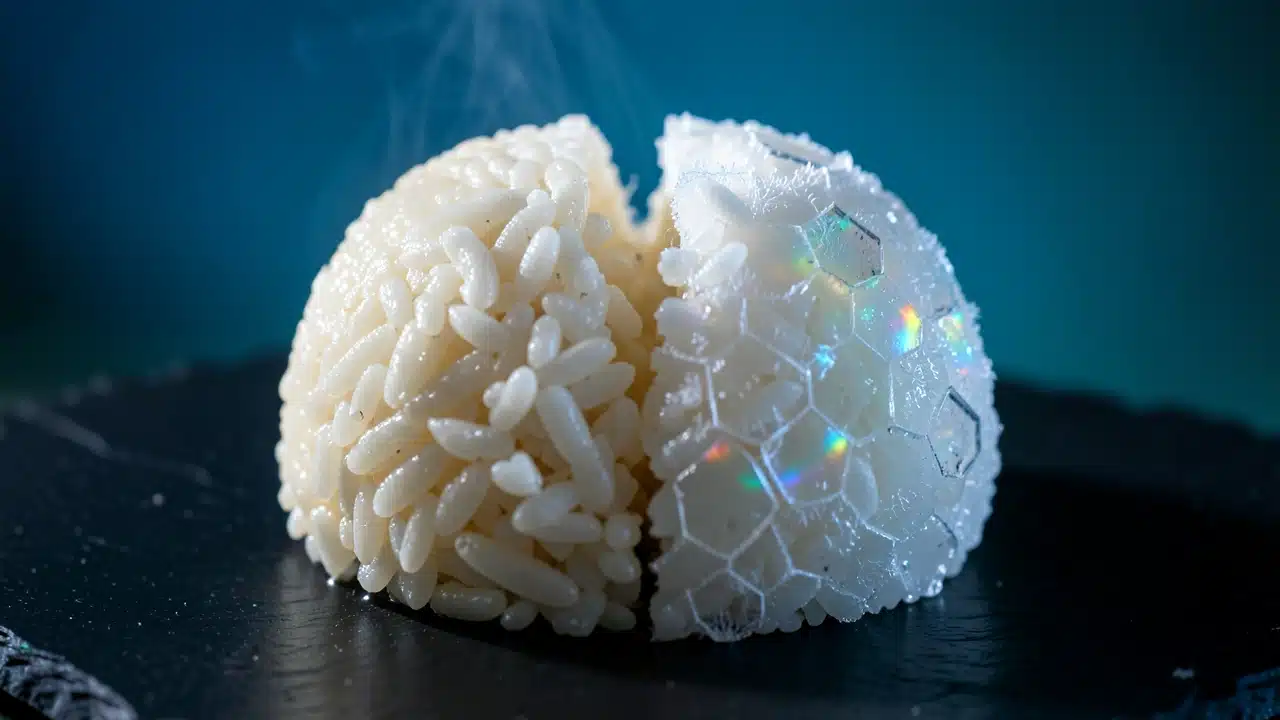
This makes the water less “free” to form large ice crystals. When food freezes, large ice crystals can damage cell structures. This damage leads to a mushy texture and loss of moisture upon thawing.
In cooked rice, the water is more evenly distributed within the softened grain. This means that when it freezes, smaller ice crystals tend to form. These smaller crystals cause less damage to the rice structure.
This is a major factor in Why Cooked Rice Freezes Better Than Raw for Fast Meal Portions. Raw rice has very little water to begin with. The water it does contain is trapped within a very rigid structure.
When frozen, any available water can form larger, more damaging ice crystals.
Why Raw Rice Doesn’t Freeze Well for Meals
If you try to freeze raw rice, you’ll quickly see the problem. Imagine putting dry, hard grains into the freezer. When you take them out and try to cook them, they won’t behave like fresh raw rice.
The freezing process doesn’t really help raw rice become more usable for quick meals. It might even make it harder to cook evenly.
The main issue is that raw rice remains dense and hard. Freezing doesn’t soften it or prepare it for cooking in the way that cooking itself does. If you were to thaw frozen raw rice and then cook it, you would likely find it takes longer.
The texture might also be uneven, with some grains being too hard and others too mushy. This is why Why Cooked Rice Freezes Better Than Raw for Fast Meal Portions is such an important distinction for meal prep.
Benefits of Freezing Cooked Rice for Meal Prep
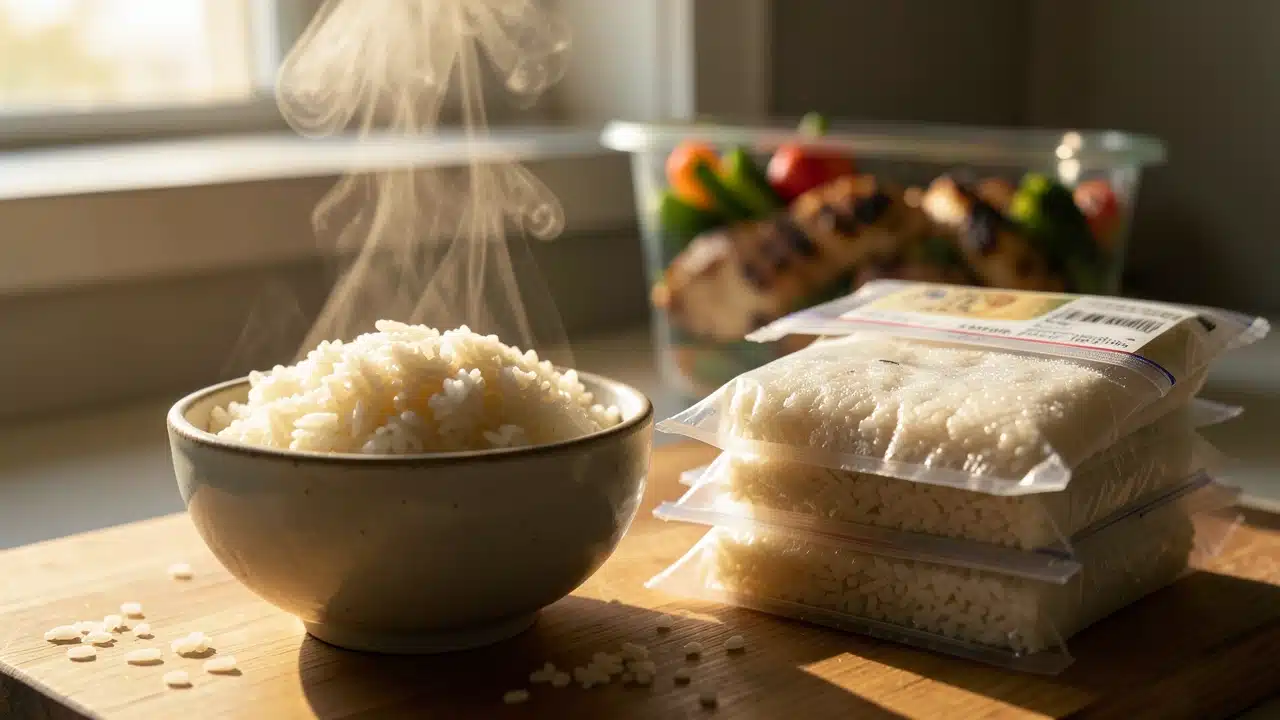
The biggest advantage of freezing cooked rice is convenience. You can cook a large batch of rice on the weekend. Then, portion it out into small containers or bags.
These portions can then be frozen. When you need a quick side dish or a base for a meal, you just grab a portion from the freezer. It thaws and reheats beautifully.
This batch-cooking and freezing method is a cornerstone of effective meal prep. It saves you time during the week when you’re tired and hungry. You avoid the need for last-minute cooking.
This leads to healthier eating habits because you’re less likely to opt for unhealthy takeout. Understanding Why Cooked Rice Freezes Better Than Raw for Fast Meal Portions empowers you to make the most of your cooking efforts.
Comparing Freezing Methods: Cooked vs. Raw Rice
Let’s look at a direct comparison. When you freeze raw rice, you’re essentially just storing dry grains that are already hard. They don’t become any easier to cook or more palatable after freezing.
The primary purpose of freezing is to preserve food and make it ready for quick use. Freezing raw rice doesn’t achieve this goal effectively for meal portions.
On the other hand, freezing cooked rice transforms it into a ready-to-go meal component. You can reheat it in the microwave, on the stovetop, or even in a rice cooker. It comes out tasting much like it did when it was freshly cooked.
This is the core reason behind Why Cooked Rice Freezes Better Than Raw for Fast Meal Portions. It’s about preparing the food to be as close to its original state as possible after thawing and reheating.
| Texture After Reheating | Hard, dry, uneven cooking | Fluffy, tender, consistent |
| Ease of Preparation | Requires full cooking after thawing | Requires only reheating |
| Meal Prep Utility | Low; doesn’t save significant time | High; provides instant meal components |
| Flavor Retention | Minimal impact, as it’s not cooked | Good, retains fresh-cooked taste |
| Water Content | Very low | Higher, absorbed during cooking |
| Ice Crystal Formation | Potentially larger crystals in available water | Smaller crystals, less structural damage |
How to Freeze Cooked Rice Properly
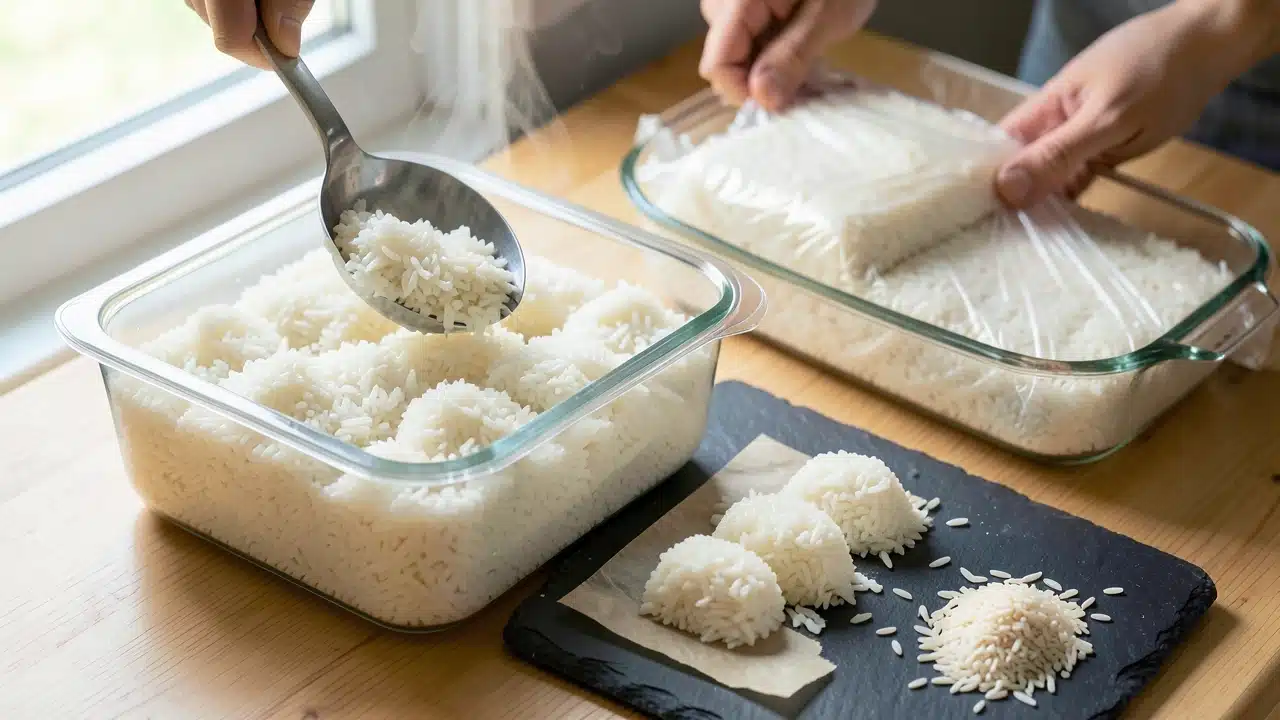
To get the best results when freezing cooked rice, follow these simple steps. First, cook your rice as you normally would. Use your preferred method, whether that’s a rice cooker, stovetop, or Instant Pot.
Make sure the rice is cooked through and tender.
Second, let the rice cool down completely. This is a crucial step. Putting hot rice directly into a freezer bag or container will create steam.
This steam can lead to ice crystals forming on the surface and can also cause condensation inside your freezer, leading to freezer burn. Spread the cooked rice out on a baking sheet or large plate to speed up cooling.
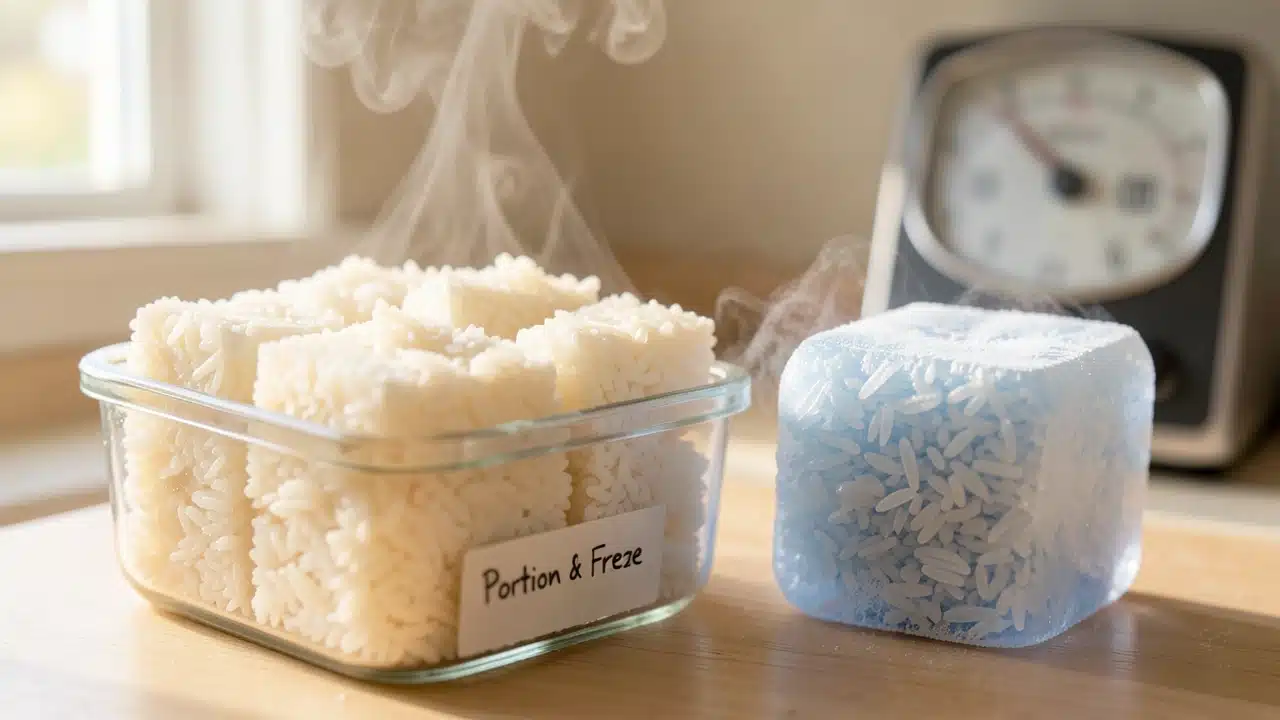
Next, portion the cooled rice. Decide how much rice you typically use for a single meal or serving. This could be one cup, two cups, or whatever works for you.
Portioning makes it easy to grab just what you need without thawing more than necessary.
Then, package the rice for freezing. Use airtight containers or heavy-duty freezer bags. Squeeze out as much air as possible from the bags before sealing them.
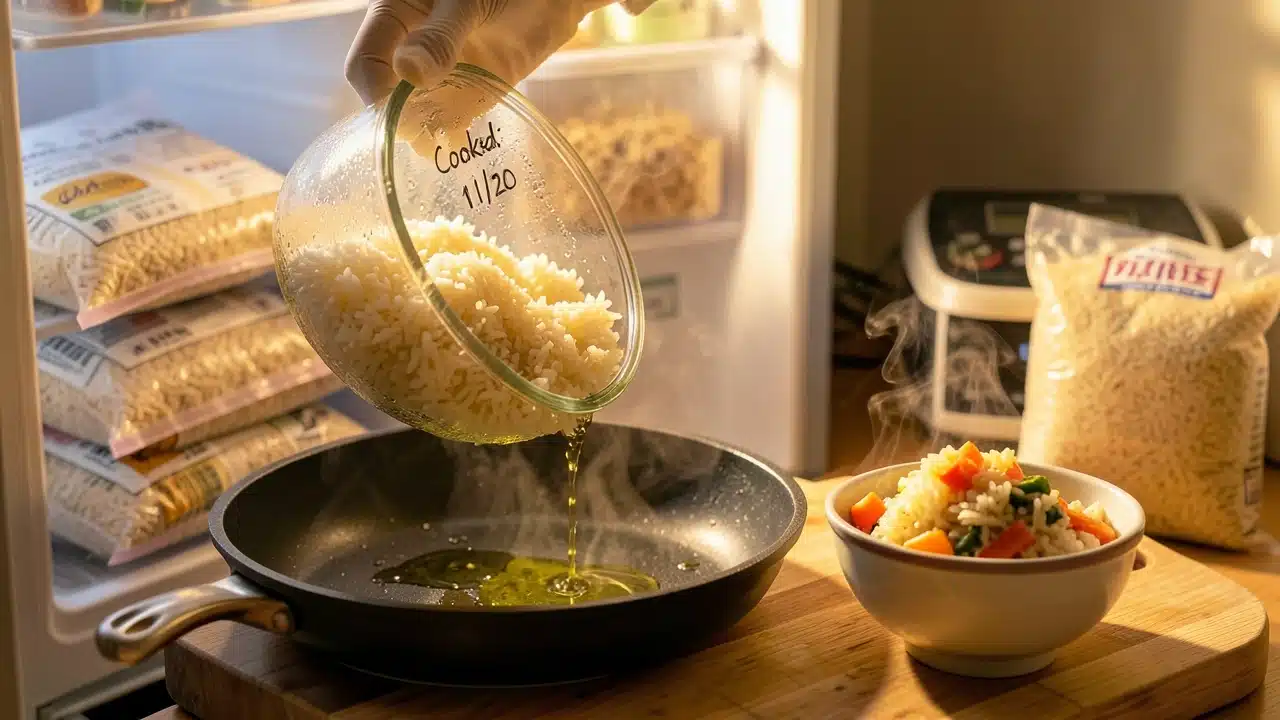
This also helps prevent freezer burn. Label the containers or bags with the date. This way, you know how long the rice has been in the freezer.
Finally, place the packaged rice in your freezer. Try to lay the bags flat so they freeze evenly. Once frozen, you can stack them to save space.
Properly frozen cooked rice can last for several months.
Reheating Frozen Cooked Rice
Reheating frozen cooked rice is just as easy as freezing it. The best method depends on how you plan to use the rice. For a single serving, the microwave is usually the quickest option.
First, take a portion of frozen rice from the freezer. Place it in a microwave-safe bowl. Add a tablespoon or two of water or broth to help it steam.
Cover the bowl loosely with a microwave-safe lid or plastic wrap, leaving a small vent for steam to escape.
Second, microwave on medium power for 2-3 minutes. Stir the rice halfway through. Continue microwaving in 30-second intervals until the rice is heated through.
Be careful not to overcook it, as it can become dry.
If you prefer to reheat on the stovetop, you can do so in a saucepan. Add the frozen rice and a splash of water or broth. Cover and heat over medium-low heat.
Stir occasionally until the rice is heated through and fluffy. This method often yields a texture closer to freshly cooked rice.
For larger batches, you can even reheat rice in a rice cooker. Add the frozen rice and the appropriate amount of water according to your rice cooker’s instructions. It will take a bit longer than cooking fresh rice, but it’s a convenient option.
Tips for Best Results and Avoiding Common Mistakes
To ensure your frozen cooked rice is always delicious, avoid a few common pitfalls. One of the most important is not cooling the rice properly before freezing. As mentioned, hot rice creates steam and ice, leading to poor texture and freezer burn.
Always wait until it’s completely cool.
Another mistake is not sealing the rice properly. Air is the enemy of frozen food. If your rice is exposed to air, it will develop freezer burn, which is that dry, icy coating that ruins the taste and texture.
Use good quality freezer bags and press out all the air before sealing. If you use containers, make sure the lids are tight-fitting.
Don’t overcook the rice initially if you plan to freeze it. Slightly undercooked rice can sometimes reheat better than overcooked rice. This is because the reheating process will cook it a little further.
Aim for rice that is just tender when you first cook it.
Finally, don’t refreeze rice that has already been thawed and reheated. This can lead to food safety issues and a very unpleasant texture. Only freeze rice that has been cooked and cooled properly.
Beyond White Rice: Freezing Other Grains
The principles of Why Cooked Rice Freezes Better Than Raw for Fast Meal Portions apply to other grains too.
You can use the same batch-cooking and freezing method for quinoa, farro, barley, and even couscous.
Each grain will have its own ideal cooking time and water ratio, but the process of cooking, cooling, portioning, and freezing remains the same.
For example, when cooking quinoa, ensure it’s fully cooked and tender. Then, cool it completely before freezing. When reheating, you might need to add a little extra liquid, just like with rice.
This versatility means you can stock your freezer with a variety of pre-cooked grains, making healthy eating even easier.
Frequently Asked Questions Of Why Cooked Rice Freezes Better Than Raw For Fast Meal Portions
Question: Why is cooked rice considered better for freezing than raw rice for meal portions?
Answer: Cooked rice has absorbed water during cooking, which helps it maintain a better texture and flavor when frozen and reheated. Raw rice remains hard and dry, making it difficult to cook evenly after freezing.
Question: What is the main reason Why Cooked Rice Freezes Better Than Raw for Fast Meal Portions?
Answer: The key reason is the gelatinization of starch during cooking. This process makes the rice grains more porous and able to retain moisture, resulting in a softer texture after thawing and reheating compared to the dense structure of raw rice.
Question: How should I cool rice before freezing to ensure good results?
Answer: Always cool cooked rice completely before freezing. Spread it out on a baking sheet or plate to speed up cooling and prevent steam from forming ice crystals, which can damage the texture.
Question: Can I freeze any type of cooked rice?
Answer: Yes, you can freeze most types of cooked rice, including white rice, brown rice, basmati, jasmine, and even sticky rice. The principles of cooking, cooling, and freezing apply universally.
Question: How long can I keep cooked rice in the freezer?
Answer: Properly sealed cooked rice can last for 4-6 months in the freezer. For best quality, consume it within this timeframe.
Question: Will frozen cooked rice have the same texture as fresh rice?
Answer: While it won’t be exactly the same, properly frozen and reheated cooked rice will be very close to fresh. The key is proper cooling and airtight packaging to minimize ice crystal formation.
Final Thoughts
Embracing the method of freezing cooked rice is a smart way to ensure you always have quick, healthy meal components ready.
By understanding Why Cooked Rice Freezes Better Than Raw for Fast Meal Portions, you can save time and enjoy delicious meals with minimal effort.
Follow the steps for proper cooling and packaging, and you’ll have a freezer full of convenient, ready-to-heat rice for any occasion.