Why Acid Marinades Do Not Tenderize, And What Actually Works
Acid marinades do not tenderize meat deeply because acid mostly affects the surface, where it can denature proteins and turn texture mushy if left too long.
What actually works is salt, time, mechanical tenderising, slow cooking for collagen-rich cuts, or gentle enzyme marinades used carefully for specific meats.
Many home cooks believe that soaking meat in acidic marinades like lemon juice or vinegar will make it super tender.
While acid can add great flavor and slightly firm up the outside, it actually does the opposite of tenderizing. It can make meat dry and chalky instead.
Understanding Why Acid Marinades Do Not Tenderize, and What Actually Works is key to cooking juicy, delicious meals every time.
We’ll show you what really breaks down tough fibers and how to get that melt-in-your-mouth texture you love.
Key Takeaways
- Acidic marinades primarily add flavor but do not effectively tenderize meat.
- Over-marinating in acid can actually make meat tough and dry.
- Enzymatic marinades and physical tenderizing methods are more effective.
- Salt is a powerful tool for tenderizing and adding moisture to meat.
- Proper cooking temperatures and techniques are crucial for tender results.
Why Acid Marinades Miss the Mark on Tenderizing
It’s a common kitchen myth: pour on the lemon juice or vinegar, and your tough cut of meat will magically become tender. This idea is widespread, but it’s not quite right. Acid is great for flavor.
It can brighten up a dish and add a nice tang. However, when it comes to breaking down the tough connective tissues in meat, acid isn’t your best friend. In fact, it can be your enemy.
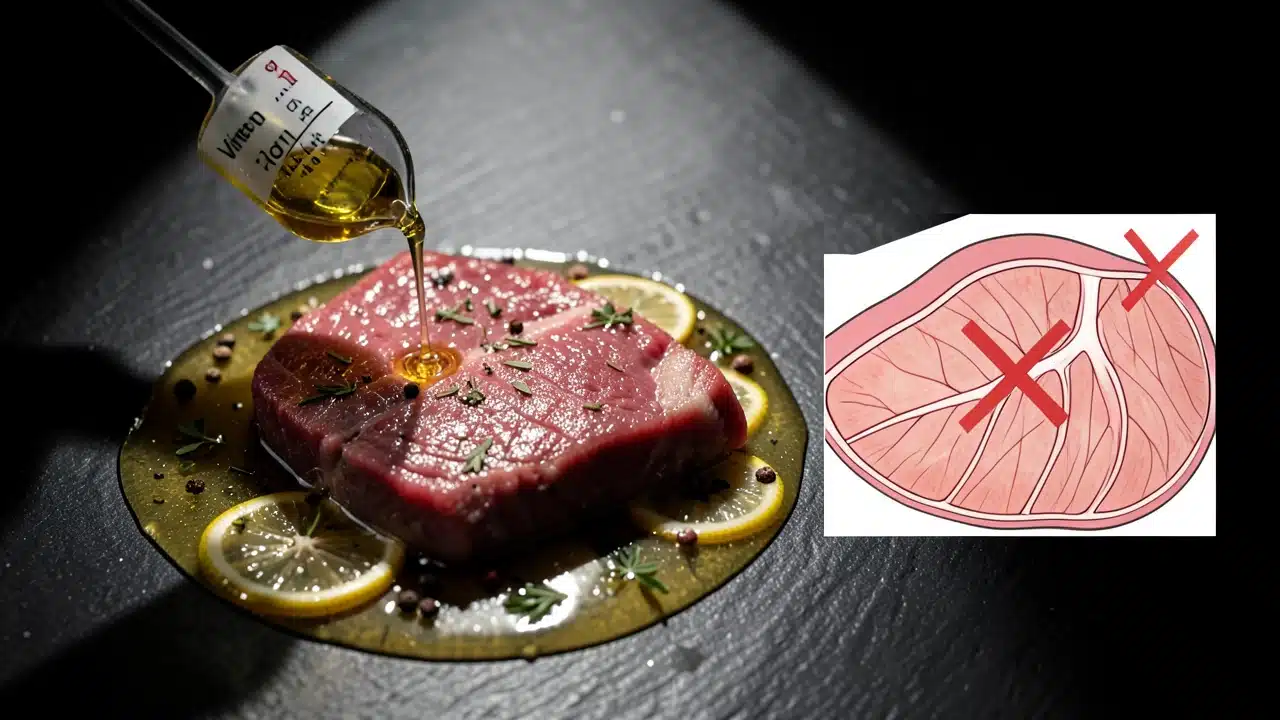
When you leave meat in an acidic marinade for too long, the acid starts to cook the outer layer of the protein. This process is called denaturing. It’s similar to what happens when you cook meat with heat.
The protein strands tighten up. This can make the surface of the meat feel firm and even a bit rubbery or chalky. So, while you might be aiming for tender, you could be ending up with dry, tough jerky on the outside.
This is a key reason Why Acid Marinades Do Not Tenderize, and What Actually Works is so important to know.
The Science Behind Acidic Denaturing
Think about ceviche. Raw fish is “cooked” by lime juice. The acid changes the texture and appearance of the fish, making it opaque and firm.
This is the same principle at play when you marinate meat in acid. The acid molecules break apart the protein chains on the surface. This makes the meat less pliable.
It’s a chemical change, not a tenderizing one. The damage is often superficial, but it prevents deeper tenderization and can lead to moisture loss.
This is why a quick soak in lemon juice might add zest, but a long soak can ruin your steak. The goal of tenderizing is to break down tough fibers and connective tissues within the meat. Acid primarily affects the surface proteins.
It doesn’t penetrate deeply enough to make a significant difference in the overall tenderness of a tough cut. Knowing Why Acid Marinades Do Not Tenderize, and What Actually Works helps you avoid common pitfalls.
What Actually Works: The Power of Enzymes
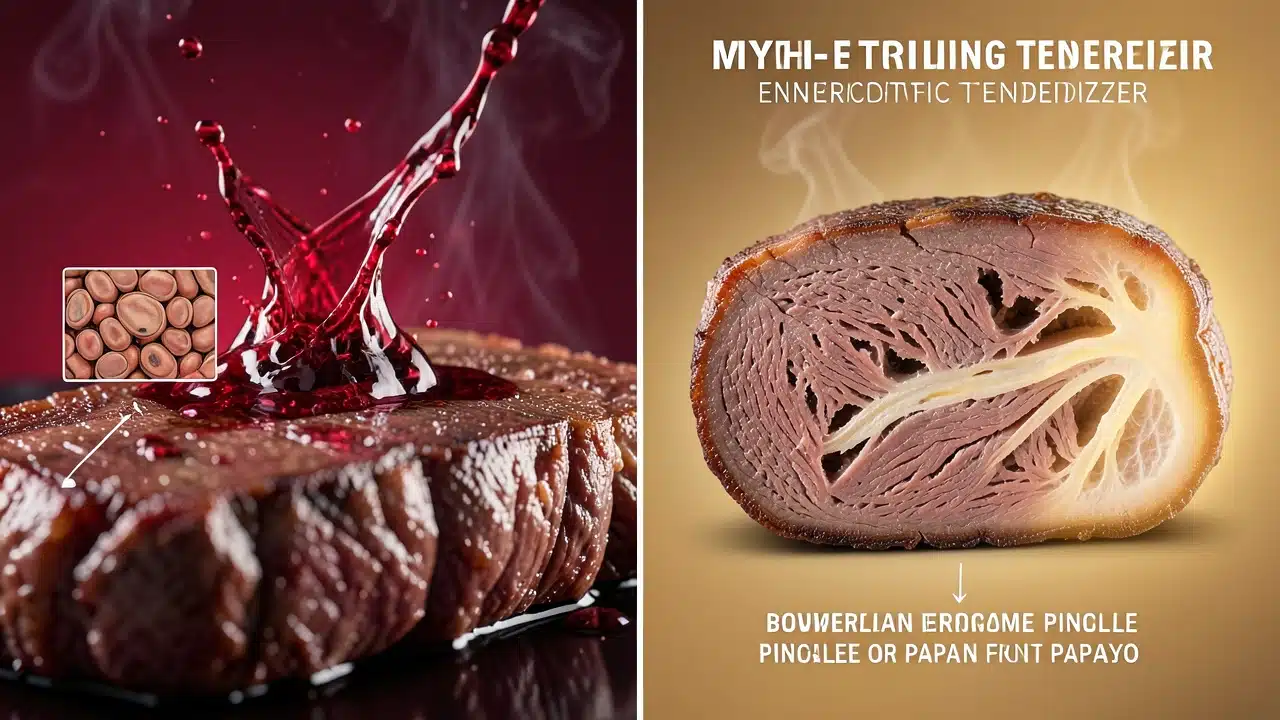
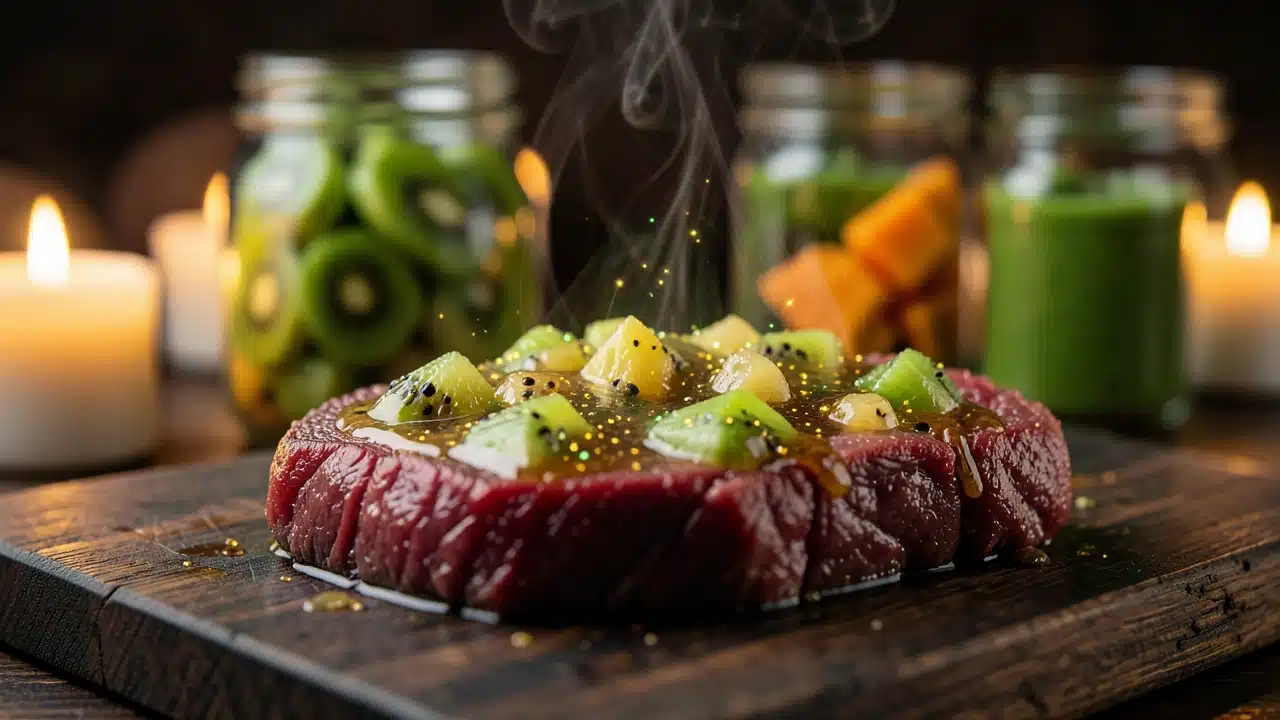
If acid isn’t the answer for tender meat, what is? The real tenderizers are often enzymes. Many fruits contain natural enzymes that are fantastic at breaking down tough meat fibers.
These enzymes can penetrate deeper into the meat than acid and work more effectively to soften it. They essentially “pre-digest” the tough parts of the meat for you.
Some of the most popular and effective enzymatic tenderizers come from fruits like pineapple, papaya, and kiwi.
Bromelain in pineapple and papain in papaya are powerful protein-digesting enzymes. These can turn a tough cut of meat into something incredibly tender and succulent.
Using these ingredients in your marinade can dramatically change the texture of your meat for the better. This is a crucial part of understanding Why Acid Marinades Do Not Tenderize, and What Actually Works.
Pineapple Power
Fresh pineapple is a champion tenderizer. It contains bromelain, an enzyme that works wonders on meat. You can blend fresh pineapple and use its juice as part of your marinade.
However, there’s a catch: you can’t leave meat in pineapple marinade for too long. Bromelain is very potent. Marinating for more than an hour or two can turn your meat into mush.
So, use it wisely and watch the time carefully.
Canned pineapple is usually not as effective because the canning process often deactivates the bromelain enzyme.
For the best tenderizing results, always opt for fresh pineapple. This is a prime example of Why Acid Marinades Do Not Tenderize, and What Actually Works, as enzymes are the true heroes.
Papaya and Kiwi: Other Fruitful Options
Papaya is another excellent source of a powerful tenderizing enzyme called papain. Similar to pineapple, fresh papaya puree or juice can be a fantastic addition to marinades. Again, the key is moderation.
Too much papain can make the meat texture unpleasantly soft. Kiwi fruit also contains actinidin, an enzyme that tenderizes meat. It's less commonly used than pineapple or papaya, but it's another natural option.
When using these fruits, remember to strain out any pulp or pieces before cooking. You want the enzymes to do their work, but you don’t want to eat bits of fruit stuck to your meat.
This highlights another aspect of Why Acid Marinades Do Not Tenderize, and What Actually Works by showing what alternatives are superior.
The Surprising Strength of Salt
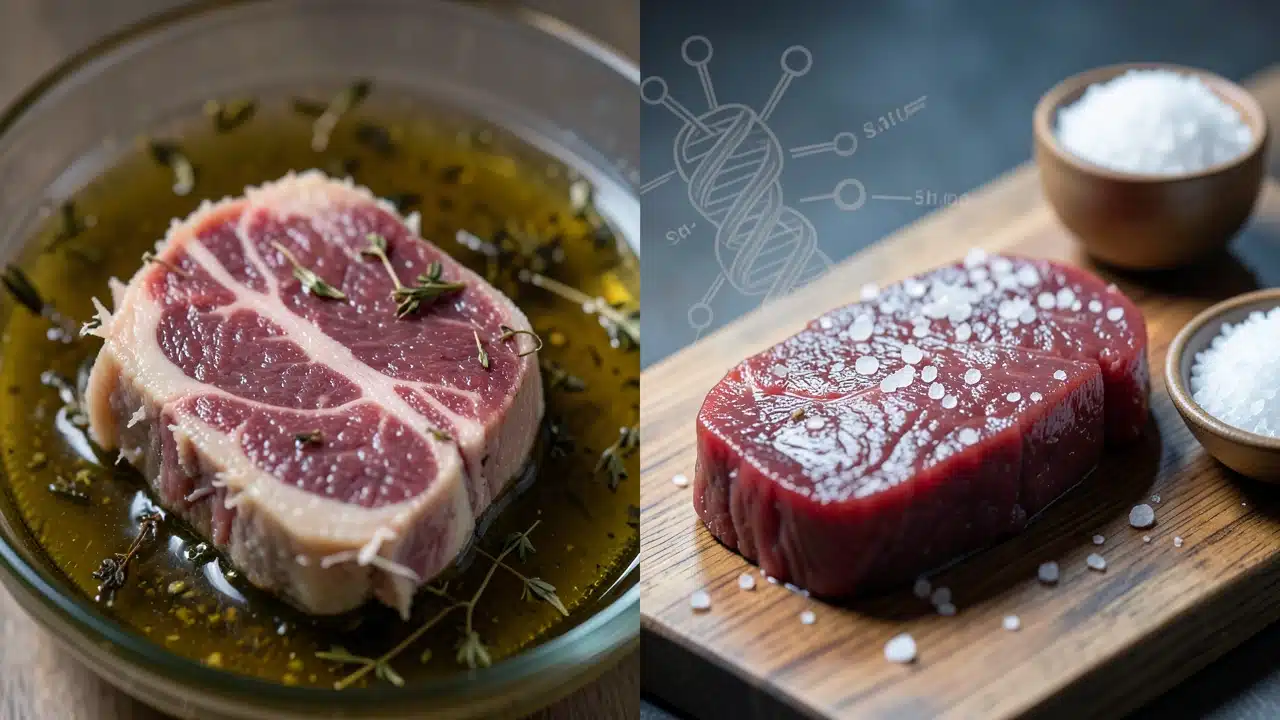
Salt might seem too simple to be a tenderizer, but it’s incredibly effective. Salt does more than just add flavor; it actually changes the structure of the meat. When you salt meat, the salt dissolves into the muscle fibers.
It helps the proteins hold onto moisture better. This means the meat stays juicier during cooking and feels more tender.
This process is called brining, and it's highly recommended for poultry and pork. Even just salting meat an hour or more before cooking (or even overnight) can make a big difference.
The salt works its way into the meat, breaking down some of the muscle proteins and reconfiguring them.
This makes the meat more tender and flavorful. It’s a simple yet powerful technique that often gets overlooked.
How Salt Enhances Moisture
When salt is added to meat, it starts to break down the muscle proteins. These proteins, when intact, are tightly packed. Salt helps to loosen them up.
As the proteins relax, they can absorb more liquid. Then, when the meat cooks, these loosened proteins are better able to retain the juices. This prevents the meat from drying out.
It’s a fundamental mechanism that explains Why Acid Marinades Do Not Tenderize, and What Actually Works.
Think of it like this: the salt helps the meat become a better sponge for its own juices. This makes a significant difference in the final texture and mouthfeel.
For cuts that tend to be a bit dry, like chicken breasts, a simple salt brine or dry brining can be a game-changer.
It’s a far more reliable tenderizing method than relying on acid.
Physical Tenderizing Methods That Deliver
Sometimes, the best way to tenderize is with a little physical effort. There are several methods that directly break down tough meat fibers without relying on marinades at all. These are often the most straightforward and effective ways to prepare tougher cuts for cooking.
Pounding and Scoring
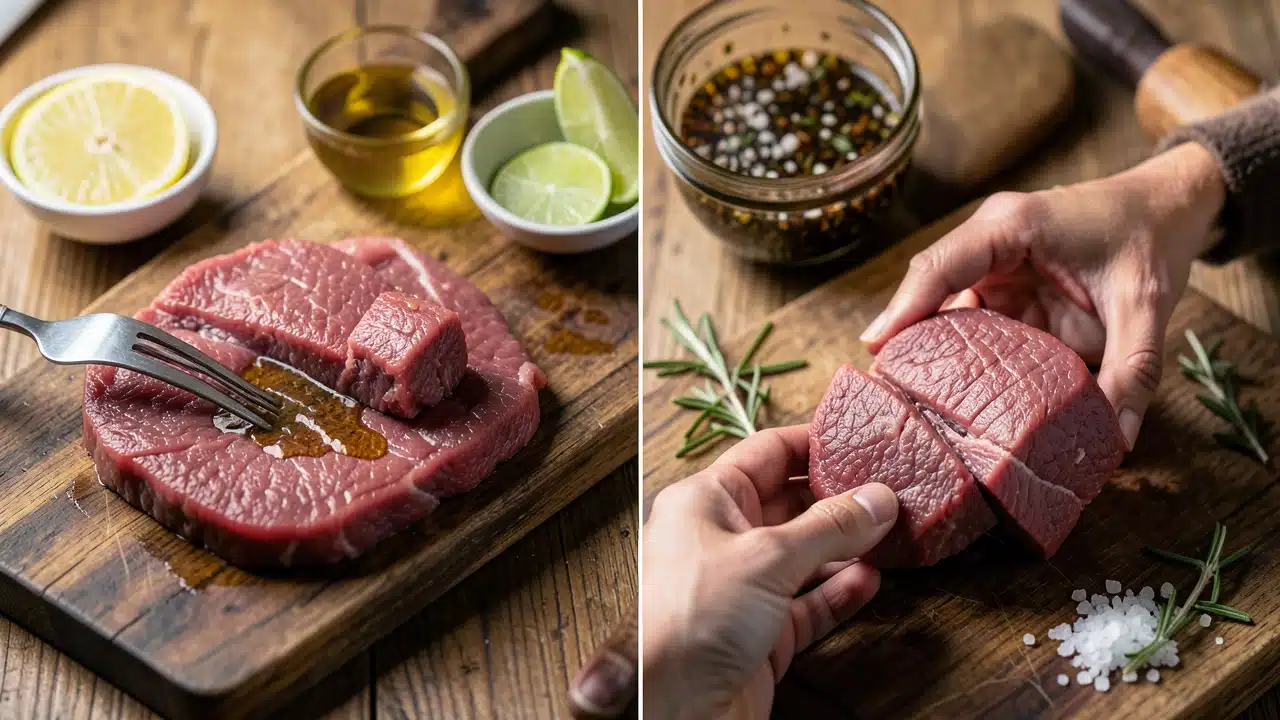
Using a meat mallet to pound meat is a classic technique. You can place the meat between two sheets of plastic wrap or inside a sturdy plastic bag. Then, gently but firmly pound it with the flat side of the mallet.
This breaks up the long muscle fibers, making the meat more tender and thinner, which also helps it cook faster. This is especially useful for cuts like chicken breast or pork chops.
Scoring the meat, which means making shallow cuts across the surface, can also help. This is often done with a sharp knife. The cuts help to break the surface fibers and allow marinades (if you choose to use them for flavor) to penetrate better.
It also helps to release some of the internal moisture, which can aid in tenderization during cooking.
Mechanical Tenderizers
There are also kitchen tools designed specifically for tenderizing meat. These are often called “meat tenderizers” or “jaccardizers.” They have multiple sharp needles or blades that pierce the meat. Each puncture breaks apart the tough connective tissues and muscle fibers.
This method is very effective and allows marinades to penetrate deeper into the meat, adding flavor and aiding the tenderizing process.
These tools are excellent for tougher cuts like flank steak or skirt steak. They create many small openings, which helps break down the resistance of the meat.
This is a direct way to address toughness, reinforcing Why Acid Marinades Do Not Tenderize, and What Actually Works by offering a mechanical solution.
Cooking Techniques for Ultimate Tenderness
Even with the best tenderizing methods, how you cook the meat is crucial. Different cooking methods suit different cuts and achieve tenderness in different ways. Understanding these techniques can make all the difference in your final dish.
Low and Slow for Tough Cuts
Tougher cuts of meat, like chuck roast or brisket, have a lot of connective tissue. This tissue breaks down into gelatin when cooked slowly at low temperatures. This gelatin adds moisture and a rich, tender texture.
Methods like braising, stewing, or slow cooking are perfect for these cuts. The long cooking time allows the tough fibers to relax and become soft.
For example, a pot roast cooked for hours in a liquid will become incredibly tender. The slow, moist heat works to dissolve the collagen in the connective tissues. This is a much more effective way to tenderize these specific types of meat than any quick marinade.
This is a key point when considering Why Acid Marinades Do Not Tenderize, and What Actually Works for all meat types.
Quick Cooking for Tender Cuts
More tender cuts, like a filet mignon or ribeye steak, don’t need long cooking times. They are already relatively soft due to less connective tissue. The goal here is to cook them quickly to the desired temperature without overcooking.
Overcooking even tender cuts can make them tough and dry. Using high heat for a short period, like searing on a grill or in a hot pan, is ideal.
These cuts benefit more from flavor enhancers and proper resting after cooking rather than tenderizing treatments. Applying harsh tenderizing methods to already tender meat can ruin its texture. This is why knowing the meat type and its inherent tenderness is vital.
The Importance of Resting Meat
After cooking, no matter the cut or method, resting the meat is essential. When meat cooks, the muscle fibers contract and push out moisture. Resting allows the fibers to relax again. Always follow USDA guidelines for meat preparation to ensure food safety and optimal tenderness.
This lets the juices redistribute throughout the meat. If you cut into meat immediately after cooking, all those delicious juices will run out onto the plate.
A rest of 5-15 minutes for steaks and chops, and longer for roasts, can make a huge difference in perceived tenderness and juiciness. It’s a simple step that significantly improves the final result and complements whatever tenderizing efforts you’ve made.
A Comparison: Acid vs. Enzymes vs. Salt
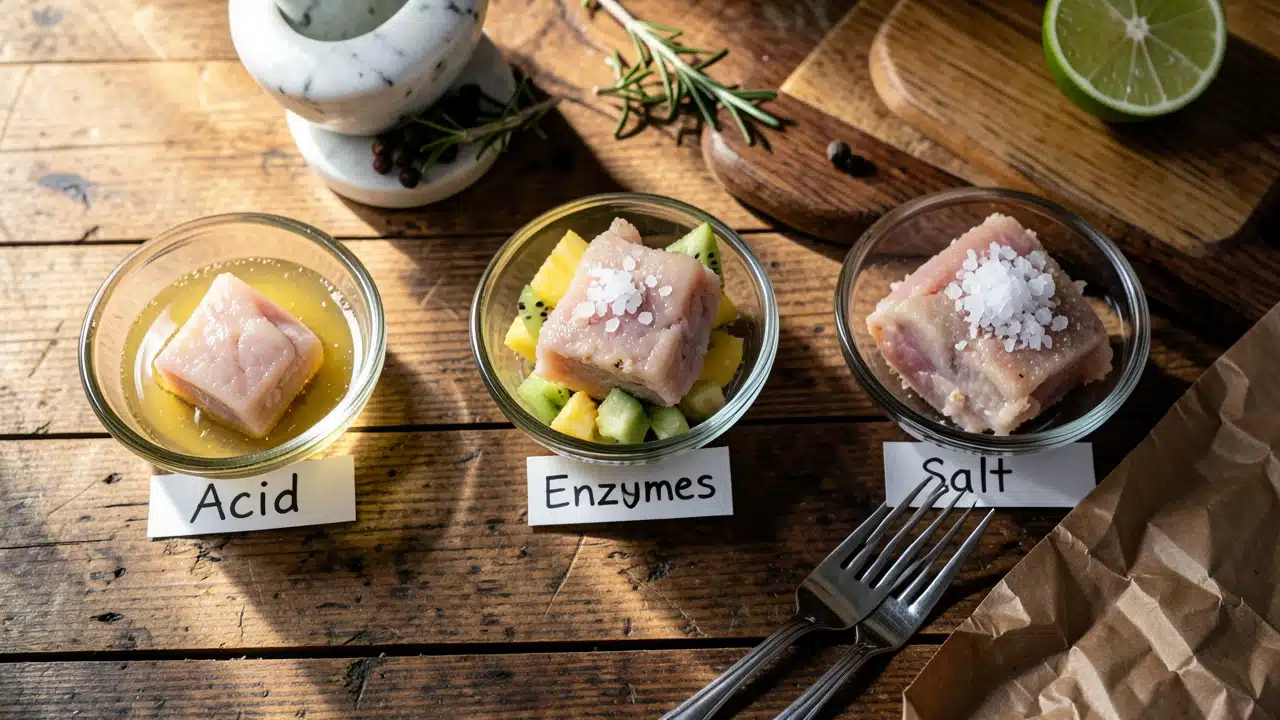
To clearly see the differences, let’s compare how acid, enzymes, and salt affect meat. This will help solidify the reasons Why Acid Marinades Do Not Tenderize, and What Actually Works. Readers looking for reliable background can compare this guidance with authoritative information about enzymes and salt effectively tenderize.
| Primary Effect | Flavor enhancement, surface protein denaturing (can toughen) | Breaks down tough muscle fibers and connective tissue | Draws in moisture, helps proteins retain juices, tenderizes |
| Tenderizing Ability | Low; can cause dryness and a chalky texture if overused | High; very effective but can make meat mushy if overused | High; improves juiciness and overall tenderness |
| Penetration | Superficial; affects outer layer | Deeper; works into muscle fibers | Deeper; affects muscle proteins throughout |
| Risk of Damage | High risk of dryness, toughness, and chalkiness with long marination | High risk of mushy texture with over-marination | Low risk; generally safe for extended periods (especially dry brining) |
| Best Use | Quick flavor infusions, light deglazing | Tenderizing very tough cuts; use for short periods | Enhancing juiciness and tenderness for most meats, especially poultry and pork |
Frequently Asked Questions Of Why Acid Marinades Do Not Tenderize, And What Actually Works
Question: Can I use citrus juice in my marinade at all?
Answer: Yes, you can use citrus juice for flavor. Just use it for a short time, like 30 minutes to an hour at most, and focus on other tenderizing methods if needed. Avoid long marination times with high amounts of acid.
Question: What’s the best way to tenderize a tough cut like beef jerky?
Answer: For jerky, you typically want a firm texture. However, if you’re making a very tough cut tender for a stew, consider slow cooking or using enzymatic tenderizers sparingly. Salt is also a good option for improving texture.
Question: How long should I marinate meat with pineapple?
Answer: With fresh pineapple, marinate for a maximum of 1-2 hours. Any longer and the meat can become unpleasantly mushy due to the strong enzymes. Always check the meat’s texture as it marinates.
Question: Does marinating meat overnight always make it tender?
Answer: Not necessarily. If you use an acidic marinade overnight, it can actually make the meat tougher and drier. For overnight marination, focus on salt-based brines or marinades with oil and herbs for flavor, and use enzymatic ingredients with extreme caution.
Question: Is it true that acid marinades ‘cook’ the meat?
Answer: Acid marinades denature the proteins on the surface of the meat, changing their structure and appearance. This is similar to cooking, but it doesn’t involve heat and can lead to a dry, tough texture rather than true tenderness.
Question: What is the difference between denaturing and tenderizing?
Answer: Denaturing is a chemical process where proteins change their structure, often becoming firmer. Tenderizing is the process of breaking down tough muscle fibers and connective tissues to make meat soft and easy to chew.
Final Thoughts
Understanding Why Acid Marinades Do Not Tenderize, and What Actually Works can transform your cooking. Instead of relying on acid, embrace enzymes, salt, and proper cooking methods. These techniques ensure your meat is always juicy and tender, no matter the cut.
Focus on these proven strategies for delicious results.