The Paper Test: Why Sharp Knives Change Your Entire Prep Speed
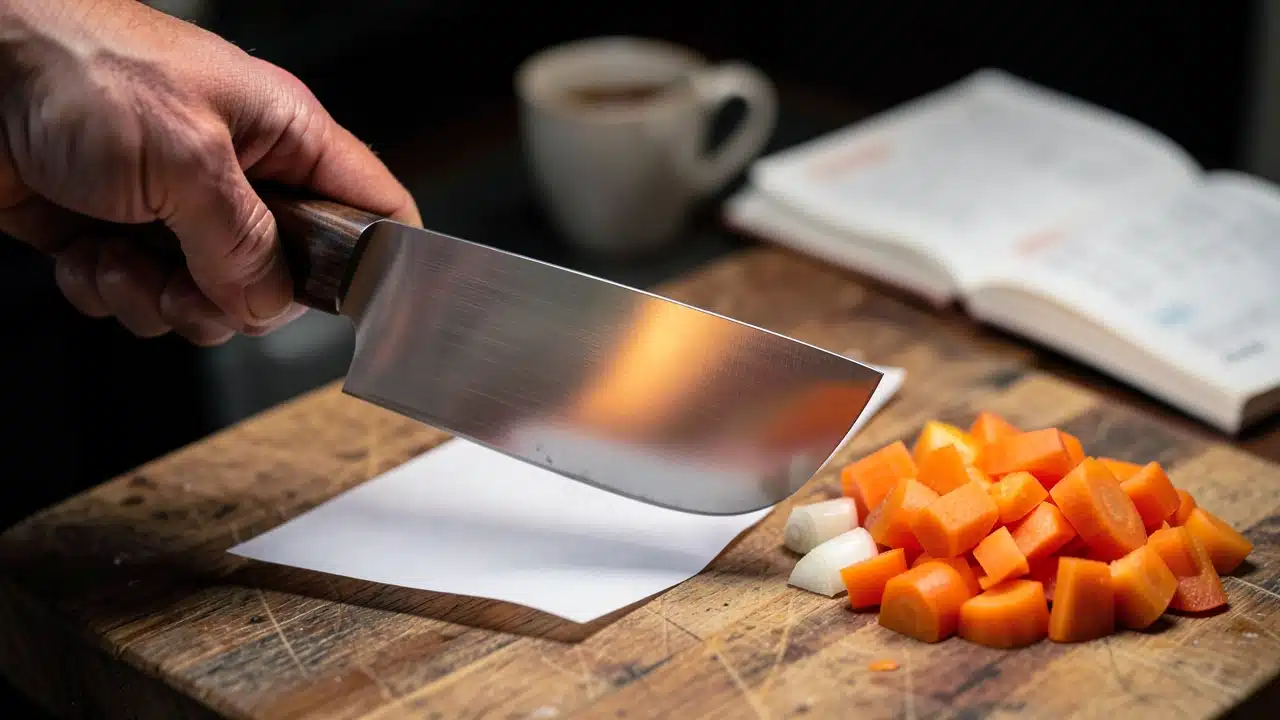
The paper test shows whether a knife is sharp enough to slice cleanly without tearing or snagging. A sharp knife moves through onions, herbs, tomatoes, and proteins with less pressure, making prep faster and more controlled.
Dull blades crush food, slow your rhythm, and increase slipping risk because you must push harder.
Cutting up veggies and other foods can feel like a chore, especially when your knives aren’t up to the job.
You might be spending way more time in the kitchen than you need to. Getting your knives really sharp can make a huge difference, turning tedious tasks into quick ones.
This is where knowing about The Paper Test: Why Sharp Knives Change Your Entire Prep Speed becomes super helpful.
We’ll show you how a simple test can reveal your knife’s true sharpness and how that translates to faster, easier cooking.
Key Takeaways
- A sharp knife makes food prep significantly faster and easier.
- The paper test is a simple way to check if your knife is sharp enough.
- Dull knives can be dangerous because they slip more easily.
- Sharpening your knives regularly saves you time and effort in the kitchen.
- Proper knife care extends the life of your kitchen tools.
- Learning to maintain sharp knives improves your overall cooking experience.
Why Your Knife’s Sharpness Matters So Much
Think about chopping an onion. With a dull knife, you might have to press down hard, and the onion can slip. This makes the job messy and slow.
A sharp knife, however, slices through with ease. It’s like the difference between pushing a dull pencil through paper versus using a sharp one. The sharp pencil goes through smoothly.
This ease is what we’re talking about when we discuss The Paper Test: Why Sharp Knives Change Your Entire Prep Speed.
When your knives are sharp, they cut cleanly. This means less effort for you. You don’t have to saw back and forth.
The blade glides through the food. This makes tasks like dicing vegetables, slicing meat, or even just spreading butter much quicker. It’s a small change that has a big impact on how long you spend preparing meals.
The Simple Paper Test Explained
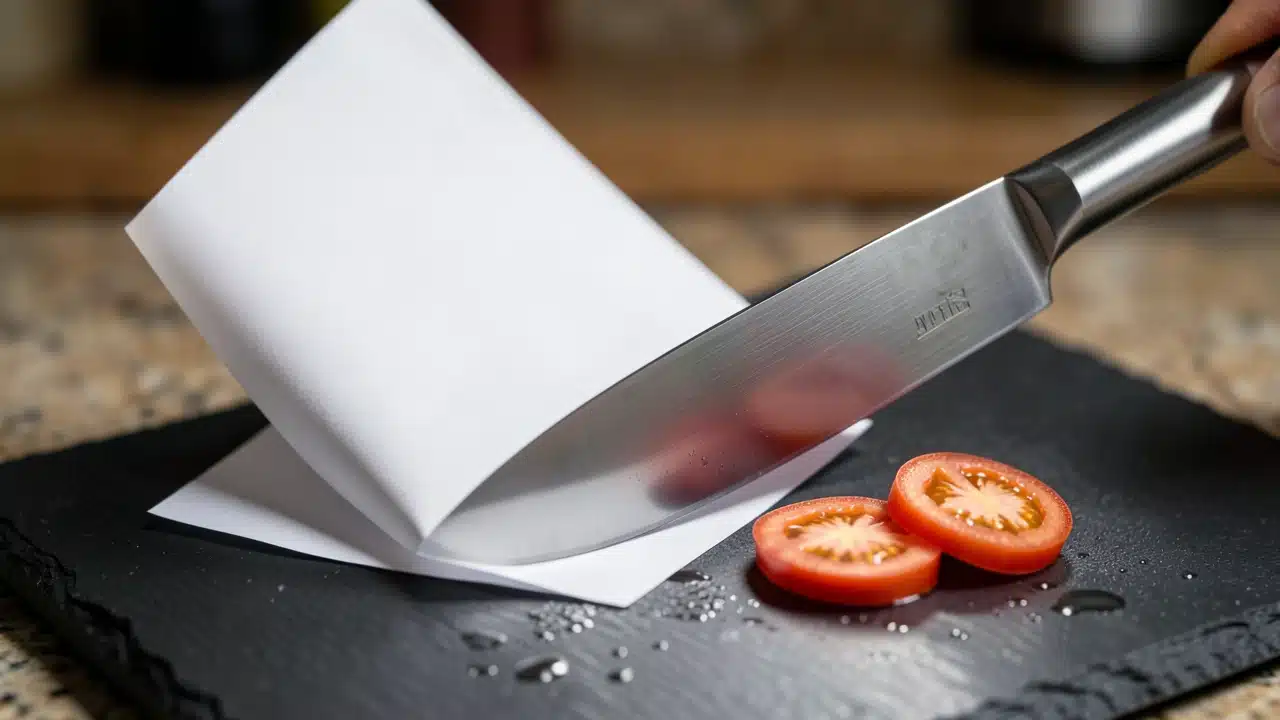
The paper test is a quick and effective way to gauge your knife’s sharpness. You don’t need fancy equipment. All you need is a piece of paper.
This test is a core part of understanding The Paper Test: Why Sharp Knives Change Your Entire Prep Speed. It’s a practical way to see if your knife is ready for action.
How to Perform the Paper Test
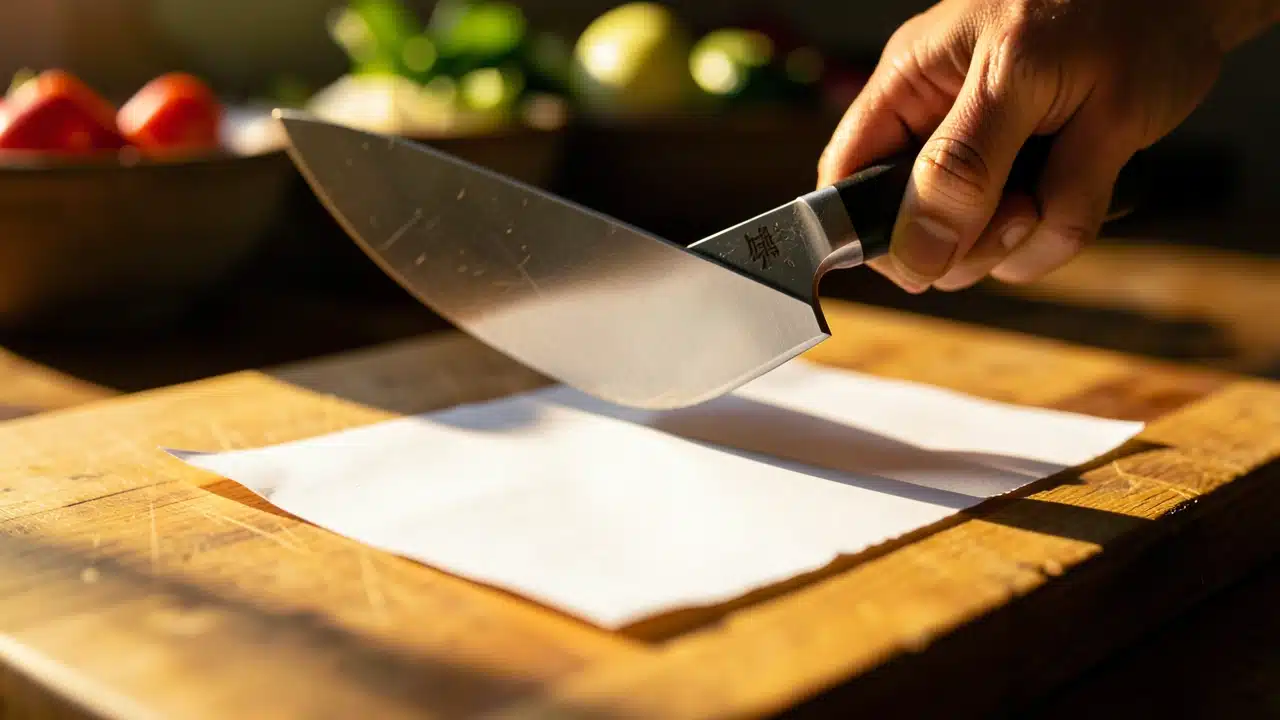
First, grab a standard sheet of printer paper. Hold the paper upright by one edge. You can also tape it to a wall if that’s easier.
Next, take your knife. Hold it at a slight angle, about 20 degrees, to the edge of the paper. Imagine you are trying to slice a thin ribbon off the paper.
Then, apply gentle pressure and try to slice downwards through the paper. Don’t saw back and forth. A single, smooth motion is best.
Finally, observe how the knife cuts. If the knife slices through the paper cleanly and smoothly, it’s sharp. If it tears, snags, or you have to force it, your knife is dull.
This is the moment you realize why The Paper Test: Why Sharp Knives Change Your Entire Prep Speed is so important for your kitchen.
The “Why” Behind Faster Prep: Understanding the Science
Why does a sharp knife cut better? It’s all about the edge. A dull knife has a rounded edge.
This rounded edge needs more force to push through food. It tends to crush food cells rather than slice them cleanly. This crushing action makes food harder to cut and can also release more moisture, affecting texture and flavor.
A sharp knife, on the other hand, has a very fine, precise edge. It’s like a tiny saw with incredibly sharp teeth. This fine edge can easily separate the food’s cells.
It glides through with minimal effort. This is the fundamental reason behind The Paper Test: Why Sharp Knives Change Your Entire Prep Speed. The less effort you need, the faster you can work.
Comparing Sharp vs. Dull Knives
Let’s look at what happens with each type of knife.
| Cutting Action | Slices cleanly, minimal effort | Crushes, tears, requires force |
| Speed | Very fast | Slow and laborious |
| Safety | Safer, less likely to slip | More dangerous, prone to slipping |
| Food Quality | Preserves texture and moisture | Can damage food cells, release moisture |
| Effort Required | Low | High |
As you can see, the benefits of a sharp knife are clear. This comparison helps illustrate why The Paper Test: Why Sharp Knives Change Your Entire Prep Speed is a concept every cook should understand.
Beyond the Paper Test: Other Indicators of Sharpness
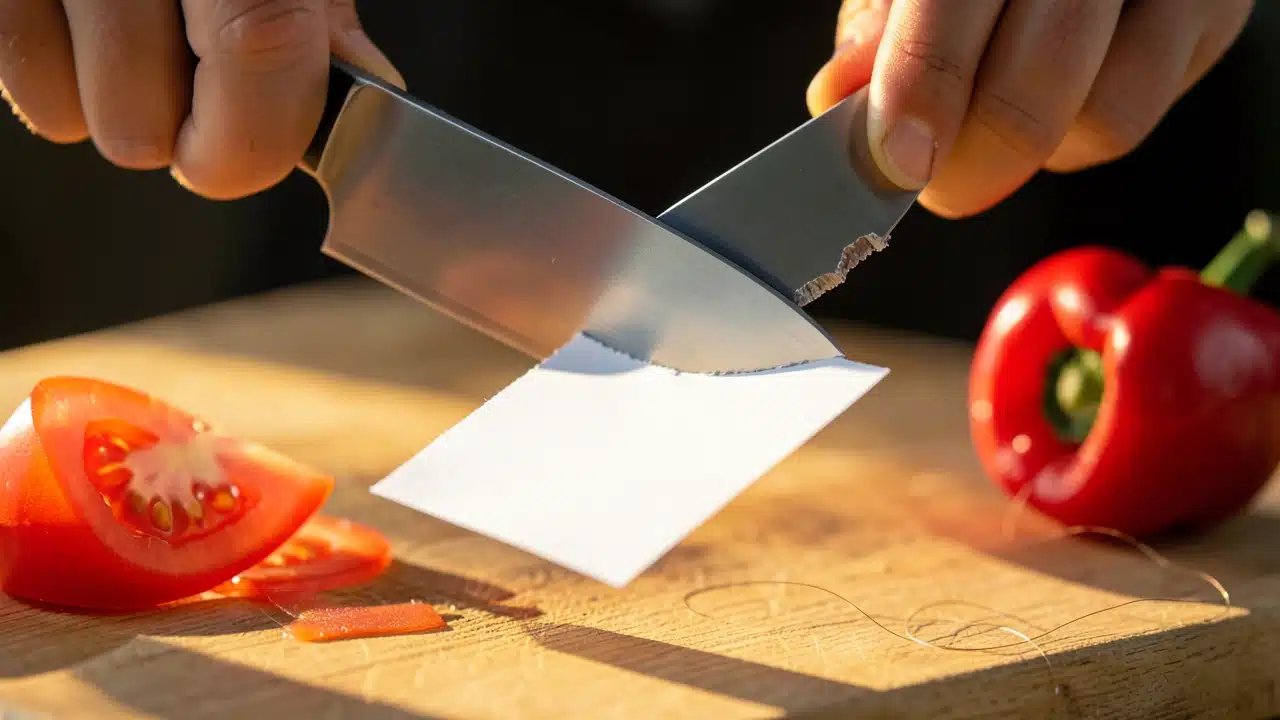
While the paper test is excellent, there are other signs that your knife might need sharpening. Paying attention to these can help you maintain your tools.
- Difficulty Slicing Tomatoes: A ripe tomato should be sliced with a gentle push. If you have to saw or press hard, your knife is likely dull.
- Chopping Herbs: Sharp knives will finely mince herbs like parsley or basil. Dull knives will tear them, making them look bruised and unappealing.
- Slipping on Soft Foods: If your knife slides off the surface of soft foods like avocado or cooked chicken, it’s a clear sign of dullness.
- Visible Edge Damage: Sometimes, you can see nicks or a rounded appearance on the knife’s edge, especially under good light.
These are all clues that your knife isn’t performing at its best. Understanding these signs reinforces the importance of The Paper Test: Why Sharp Knives Change Your Entire Prep Speed.
The Dangers of Dull Knives
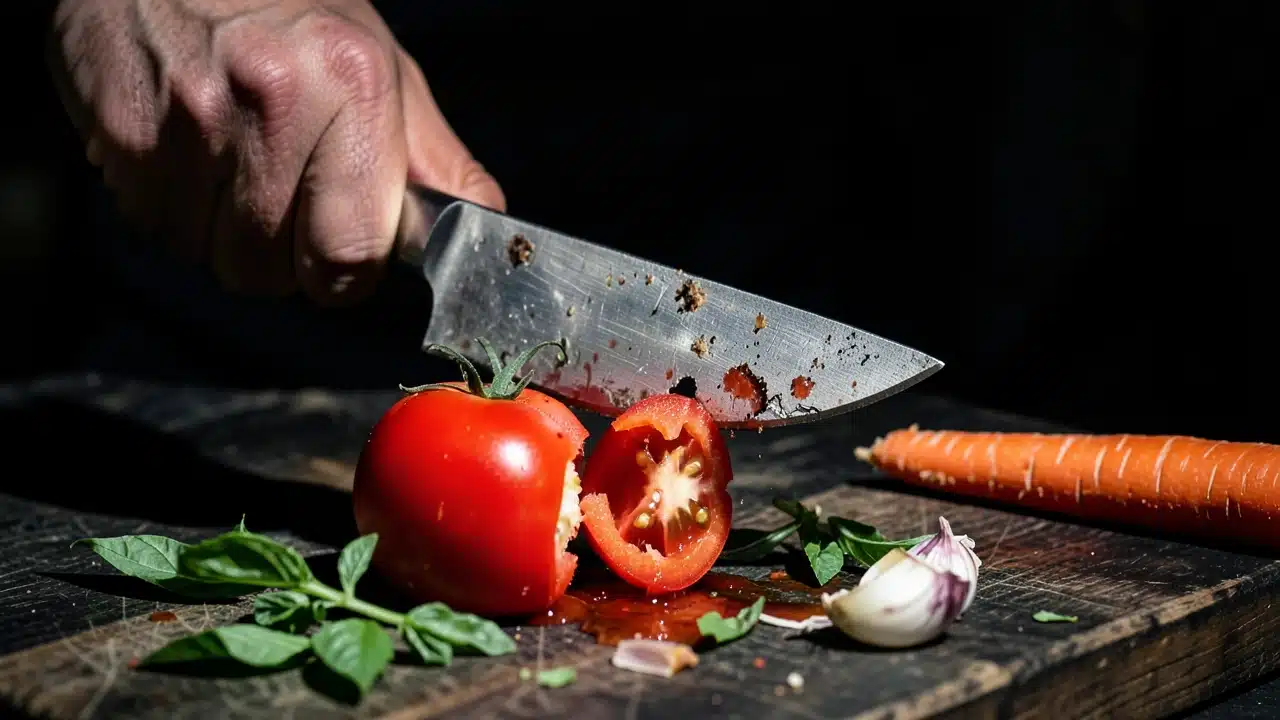
It might seem counterintuitive, but dull knives are actually more dangerous than sharp ones. When a knife is dull, it doesn’t cut into food easily. Your natural reaction is to apply more pressure.
This increased pressure can cause the knife to slip unexpectedly. When a knife slips, it can easily cut your hand or fingers.
This is a critical aspect of understanding The Paper Test: Why Sharp Knives Change Your Entire Prep Speed. Safety in the kitchen is paramount. A sharp knife, used correctly, is a safer tool because it does what you want it to do without unexpected movement.
It bites into the food cleanly, reducing the chance of it skidding off the surface.
How to Keep Your Knives Sharp
Knowing how to perform the paper test is one thing; keeping your knives sharp is another. Regular maintenance is key to enjoying the benefits of sharp blades.
Sharpening vs. Honing
It’s important to know the difference between sharpening and honing.
- Sharpening: This process actually removes a small amount of metal from the blade to create a new, sharp edge. This is done with whetstones, electric sharpeners, or professional services.
- Honing: This realigns the microscopic teeth on the blade’s edge that get bent out of shape during normal use. Honing doesn’t remove metal but straightens the existing edge, making the knife feel sharper. A honing steel is used for this.
Many people think honing is the same as sharpening. Understanding this difference is crucial for effective knife care and fully appreciating The Paper Test: Why Sharp Knives Change Your Entire Prep Speed.
Choosing the Right Sharpening Method
There are several ways to sharpen your knives: There are several ways to sharpen your knives, including whetstones and electric sharpeners, as explained in the article on sharpening your knives.
- Whetstones (Sharpening Stones): These offer the most control and can create the sharpest edges. They require practice to use effectively.
- Electric Knife Sharpeners: These are convenient and fast, offering pre-set angles. However, they can remove more metal than necessary if not used carefully.
- Pull-Through Sharpeners: These are very easy to use and good for quick touch-ups. They might not achieve the same level of sharpness as whetstones.
- Professional Sharpening Services: If you don’t want to sharpen them yourself, a professional service can restore your knives to their best.
Regular honing should be done every few uses, while sharpening is needed less frequently, perhaps every few months depending on usage.
The Long-Term Benefits of Sharp Knives
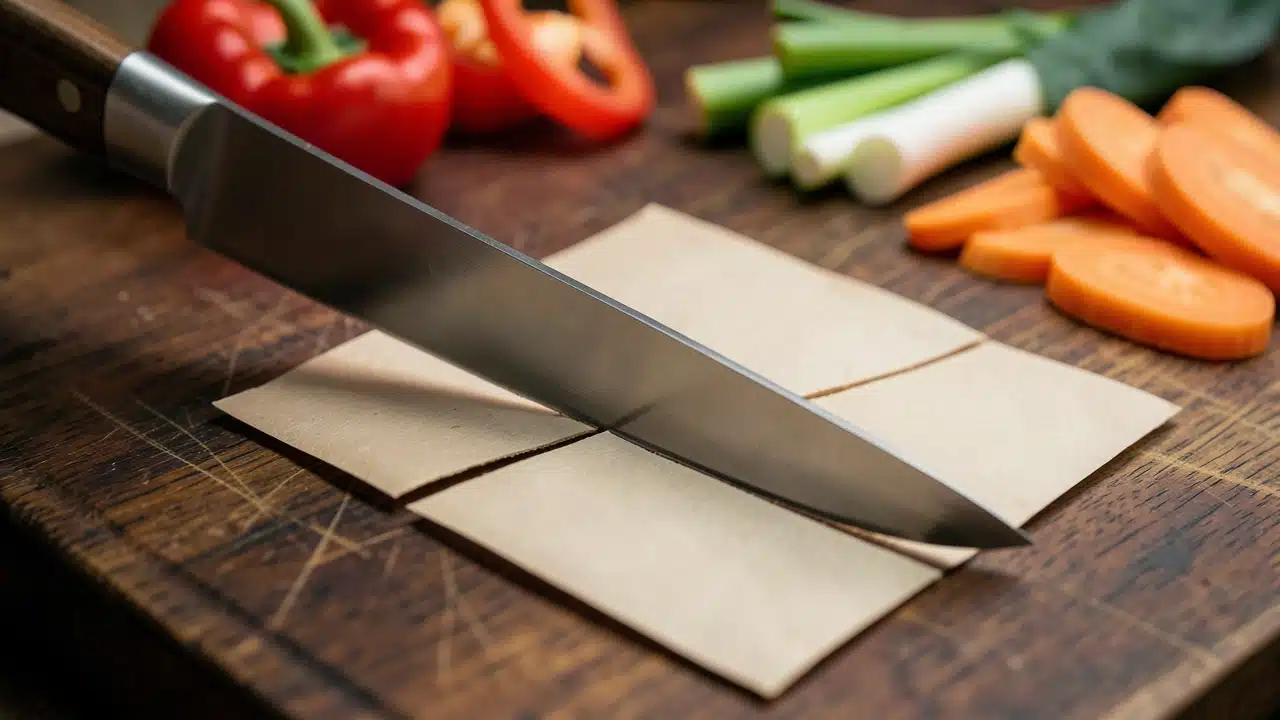
Investing a little time in your knives pays off in many ways. Beyond the immediate speed boost, sharp knives make cooking more enjoyable. The tactile experience of slicing through ingredients smoothly is satisfying.
It transforms cooking from a chore into a more pleasant activity.
Furthermore, well-maintained knives last longer. By sharpening and honing them correctly, you avoid excessive wear and tear. This means your favorite knives will be with you for years to come.
This practical benefit is a significant part of why The Paper Test: Why Sharp Knives Change Your Entire Prep Speed is more than just a kitchen tip; it’s about efficiency and tool longevity. Following safe knife handling practices is essential for preventing accidents in the kitchen.
Frequently Asked Questions Of The Paper Test: Why Sharp Knives Change Your Entire Prep Speed
Question: How often should I do the paper test?
Answer: You should perform the paper test whenever you feel your knife isn’t cutting as well as it used to, or before starting a major prep session. It’s a quick check to ensure your knife is performing optimally.
Question: Can any knife pass the paper test?
Answer: Yes, any type of kitchen knife, from a chef’s knife to a paring knife, can pass the paper test if it is properly sharpened. The test is a universal measure of edge keenness.
Question: Is it better to sharpen or hone my knives more often?
Answer: Honing is for regular maintenance to keep an already sharp edge aligned. Sharpening is for when the edge has become dull. You should hone your knives more frequently than you sharpen them.
Question: What if my knife tears the paper but doesn’t fully cut it?
Answer: This indicates the knife is quite dull. It needs more than just a quick hone; it likely requires proper sharpening to restore a keen edge. This is a key insight for understanding The Paper Test: Why Sharp Knives Change Your Entire Prep Speed.
Question: Can a dull knife actually be more dangerous than a sharp one?
Answer: Yes, absolutely. Dull knives require more force, increasing the chance of them slipping unexpectedly and causing injury. A sharp knife cuts cleanly, reducing this risk.
Question: What’s the easiest way to start sharpening my knives at home?
Answer: For beginners, a good quality pull-through sharpener or an electric sharpener can be the easiest way to get started. As you gain confidence, you can move on to whetstones for more precise results.
Final Thoughts
A sharp knife makes a world of difference in the kitchen. Performing the paper test regularly ensures your blades are ready to go, making your cooking faster and safer. Keeping your knives sharp is a simple habit that greatly improves your entire food prep experience. Proper kitchen knife maintenance ensures your blades stay sharp and last longer.