Why White Pepper And Black Pepper Are Not Swaps In Small Doses
White pepper and black pepper are not simple swaps in small doses because their processing creates different aroma, heat, and aftertaste.
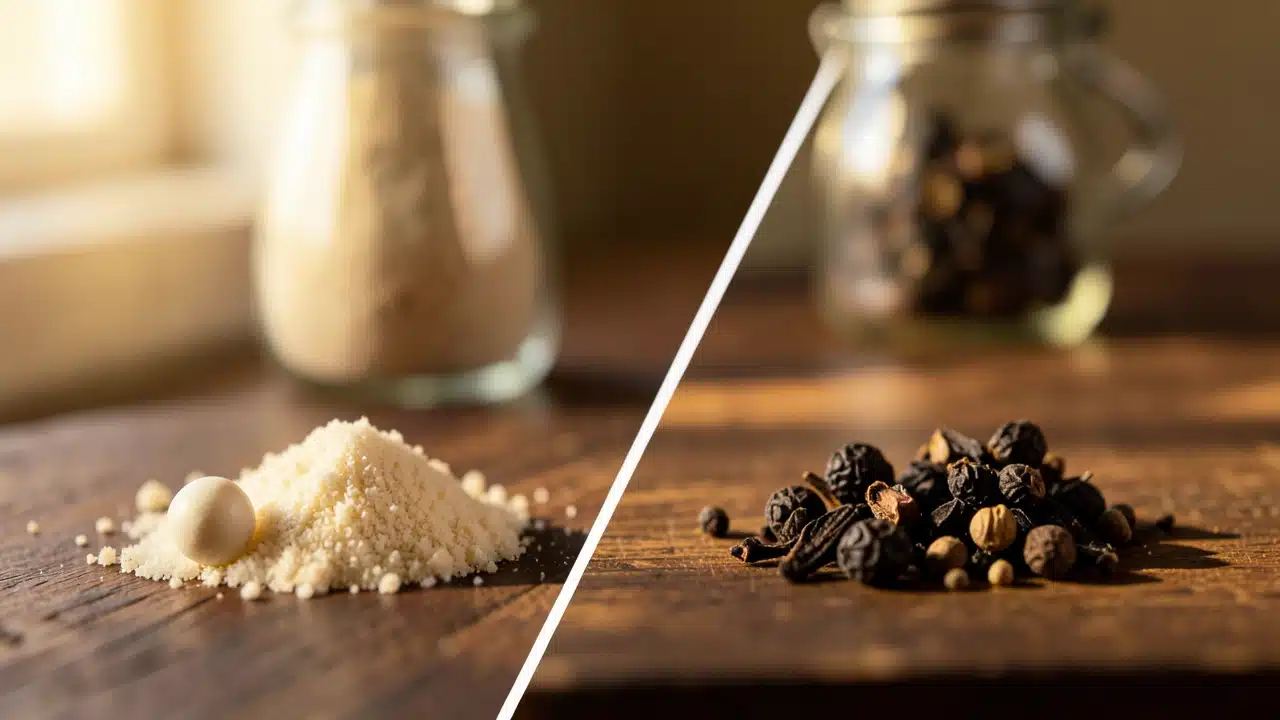
Black pepper tastes sharper, piney, and more aromatic from its outer skin, while white pepper is earthier, mustier, and cleaner-looking in pale dishes. Use black for brightness and white for subtle depth.
Many cooks think white pepper and black pepper are the same, just different colors. But using them interchangeably, even in small amounts, can really change how your food tastes. Understanding the difference helps you make better dishes every time.
This guide will show you why Why White Pepper and Black Pepper Are Not Swaps in Small Doses matters so much. You’ll learn how to pick the right pepper to get the exact flavor you want for your meals.
Key Takeaways
- White pepper has a milder, earthier flavor compared to black pepper.
- Black pepper offers a sharper, more pungent, and complex taste.
- The processing of each pepper type significantly impacts its flavor and aroma.
- Different dishes call for specific pepper types to achieve desired taste profiles.
- Using the wrong pepper, even in small amounts, can alter a dish’s overall balance.
Understanding the Core Differences: Flavor and Aroma
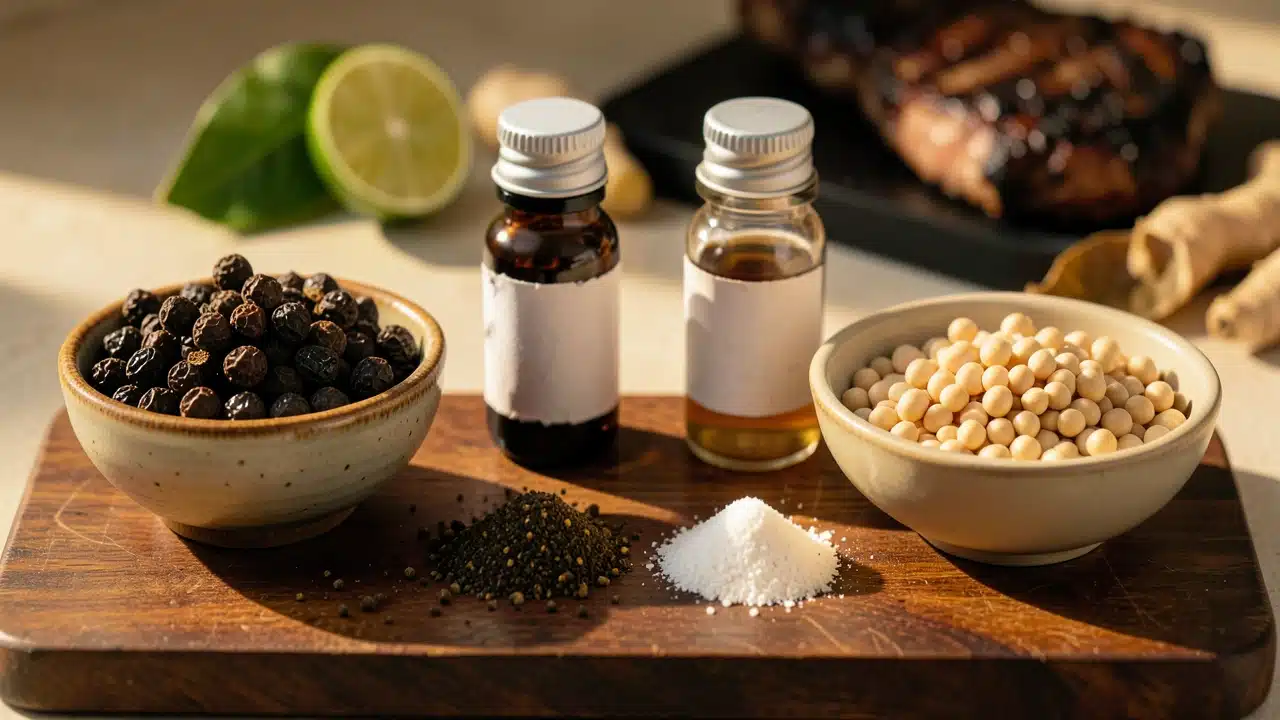
When we talk about pepper, most people picture tiny black balls. Black pepper is the most common type. It comes from the dried, unripe fruit of the Piper nigrum plant.
This process gives it a strong, spicy kick. It has a complex flavor with hints of pine and citrus. The aroma is bold and instantly recognizable.
White pepper comes from the same plant, Piper nigrum. The difference starts after the berries are picked. For white pepper, the berries are soaked in water.
This fermentation process removes the outer skin. The inner seed is then dried and ground. This method results in a different flavor profile.
White pepper is often described as having a sharper, more biting heat. It lacks the fruity or piney notes of black pepper. Its aroma is also less pungent and more subtle.
The way each pepper is made is key to their distinct tastes. This is a major reason Why White Pepper and Black Pepper Are Not Swaps in Small Doses.
How Processing Creates Distinct Flavors
The journey from a peppercorn to your spice rack is fascinating. For black pepper, the berries are picked when they are still green. They are then dried.
This drying process causes the skin to turn black and wrinkle. During drying, chemical changes happen inside the peppercorn. These changes create the characteristic pungency and complex aroma we associate with black pepper.
White pepper’s processing is more involved. The berries are often ripened longer on the vine. Then, they are soaked in water for about a week.
This soaking softens the outer hull. Workers rub off the outer layer. What’s left is the inner seed.
This seed is then dried. The absence of the outer hull removes many of the compounds that give black pepper its depth and fruity notes. It leaves behind a cleaner, hotter flavor.
This difference in processing is a fundamental reason Why White Pepper and Black Pepper Are Not Swaps in Small Doses. It directly affects the final taste in your cooking.
Taste Profiles: A Deeper Dive
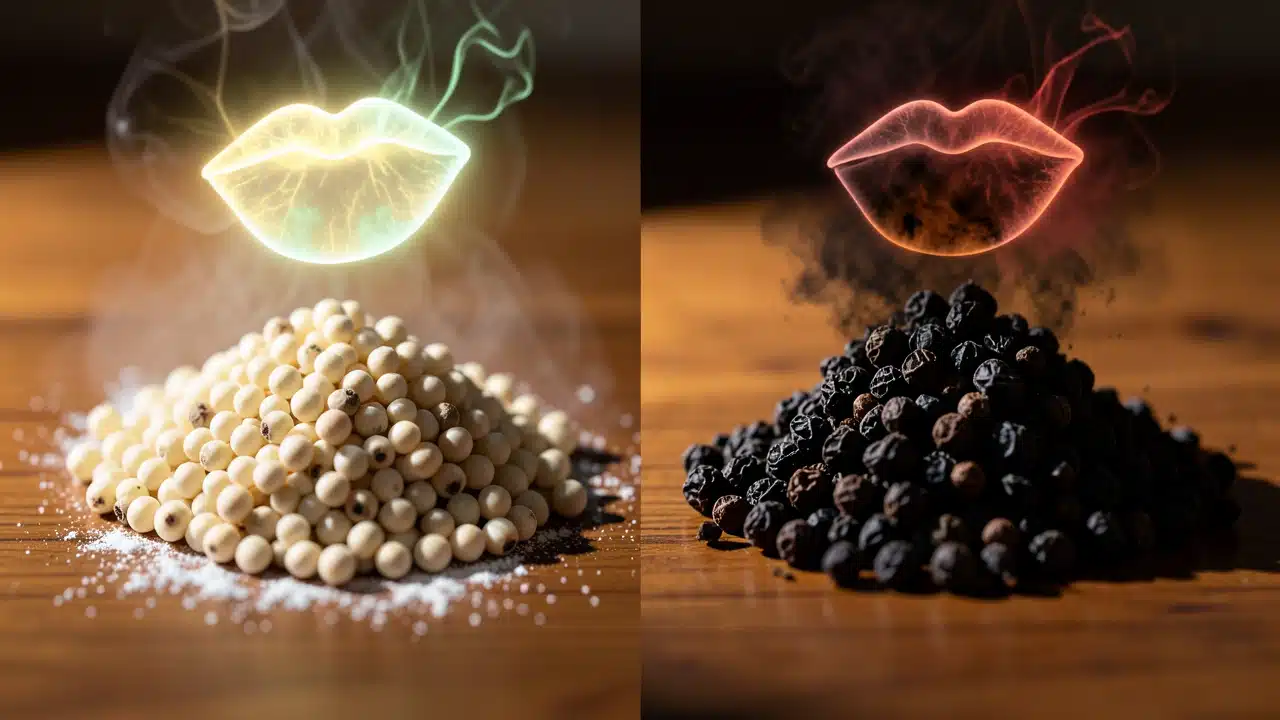
Let’s break down the taste of each pepper more closely. Black pepper is known for its robust and multifaceted flavor. It hits your palate with an initial warmth.
Then, it develops into a more complex spiciness. Some people detect notes of wood, pine, or even a hint of citrus. This complexity makes it a versatile seasoning.
It can stand up to strong flavors and add an interesting layer.
White pepper offers a different kind of heat. It’s often described as a more direct, sharp heat. It doesn’t have the same aromatic qualities as black pepper.
The flavor is cleaner and less complex. Some describe it as having an earthy or slightly metallic taste. This makes it ideal for dishes where you want heat but don’t want the dark specks or the full aroma of black pepper.
The distinct taste profiles are crucial. They explain Why White Pepper and Black Pepper Are Not Swaps in Small Doses, especially in delicate recipes.
Visual Impact and Culinary Applications
Beyond taste, the appearance of pepper matters in cooking. Black pepper, when ground, leaves dark specks. This can be desirable in many dishes.
Think of a steak rub or a hearty stew. The dark flecks add visual texture. They tell diners that pepper has been used.
White pepper, on the other hand, is pale. When ground, it blends into lighter-colored foods. This is why it’s often preferred in pale sauces, creamy soups, mashed potatoes, or white fish dishes.
Using black pepper in these dishes would leave unsightly dark specks. This would change the visual appeal of the food. It might make it look less refined.
This visual difference is a practical reason Why White Pepper and Black Pepper Are Not Swaps in Small Doses. The aesthetic of a dish is as important as its flavor.
When to Choose Which Pepper
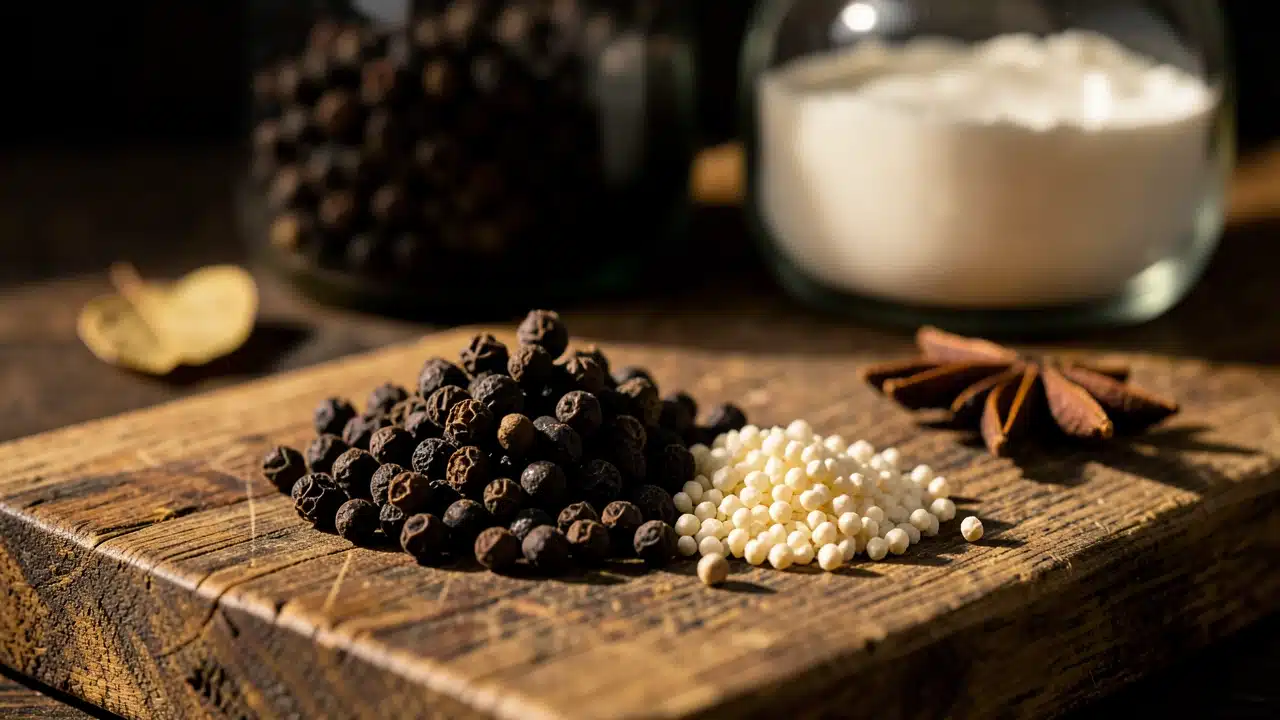
Choosing the right pepper depends on the dish you are making. For robust, hearty meals, black pepper is usually the go-to. It complements the strong flavors of meats, stews, and roasted vegetables.
Its bold profile can cut through richness and add a lively counterpoint.
Consider dishes like:
- Steak: A classic black pepper crust adds flavor and texture.
- Chili: Black pepper adds depth and heat to the complex spice blend.
- Roasted Meats: It enhances the savory notes of lamb, beef, or pork.
- Hearty Soups and Stews: It adds a warming quality and complexity.
Now, think about lighter, more delicate dishes. This is where white pepper shines. Its cleaner heat and lack of visible specks make it perfect for:
- Cream Sauces: Keeps the sauce looking pristine.
- Mashed Potatoes: Adds heat without dark flecks.
- White Fish and Poultry: Provides a subtle warmth without overpowering delicate flavors.
- Salad Dressings: For a clean peppery note.
- Asian Cuisine: Many Asian dishes use white pepper for its specific heat and flavor profile.
Understanding these specific uses clarifies Why White Pepper and Black Pepper Are Not Swaps in Small Doses. It’s about matching the pepper to the meal’s needs.
A Comparison: Black Pepper vs. White Pepper
To really see the differences, let’s put them side-by-side. A comparison table helps highlight their unique characteristics.
| Origin | Dried unripe berries of Piper nigrum | Inner seed of ripened Piper nigrum berries (husk removed) |
| Processing | Picked green, dried until black | Ripened, soaked, hulled, dried |
| Flavor Profile | Pungent, complex, warm, hints of pine/citrus | Sharp, biting heat, earthy, cleaner, less complex |
| Aroma | Strong, bold, aromatic | Subtle, less pronounced |
| Visual Appearance (Ground) | Dark brown/black specks | Pale beige/off-white |
| Best For | Robust dishes, meats, stews, rubs, savory applications | Pale sauces, light meats, fish, delicate dishes, Asian cuisine |
| Heat Level | Moderate to high | Can be perceived as hotter due to direct heat |
This table clearly illustrates Why White Pepper and Black Pepper Are Not Swaps in Small Doses. They serve very different purposes in the kitchen.
The Nuance of Heat and Spice
Both black and white pepper provide heat, but they deliver it differently. Black pepper’s heat is often described as warm and lingering. It builds gradually on the palate.
This is due to a combination of compounds, including piperine. The outer hull of the peppercorn also contributes to its complex flavor profile.
White pepper’s heat can feel more immediate and sharp. Some chefs find it has a more intense, almost sinus-clearing quality.
This is partly because the compounds responsible for heat are more concentrated in the inner seed.
Without the outer hull, the flavor is less layered. It’s a more direct spicy sensation. This difference in heat delivery is a key factor in Why White Pepper and Black Pepper Are Not Swaps in Small Doses.
For instance, adding a pinch of black pepper to a delicate cream sauce might add a pleasant warmth. But if you used the same amount of white pepper, it could become too sharp and dominate the sauce.
Conversely, a robust beef stew might need the complex punch of black pepper, and white pepper might get lost.
When Small Doses Still Make a Big Difference
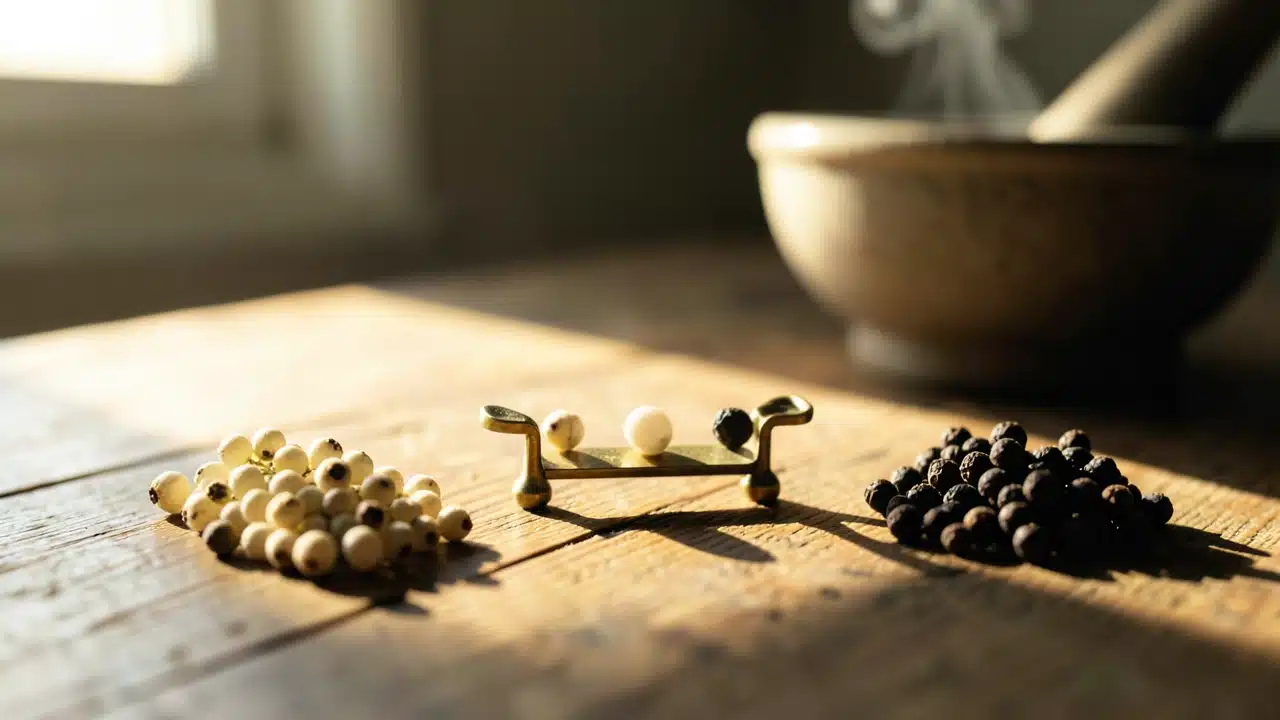
It’s easy to think that just a tiny pinch won’t matter. But in cooking, small amounts are often precisely measured. This is especially true for spices, which are powerful flavor agents.
A small amount of pepper can be the difference between a dish that is perfectly seasoned and one that is slightly off.
Consider a recipe that calls for just 1/4 teaspoon of pepper. If you mistakenly use white pepper instead of black, that 1/4 teaspoon will deliver a different kind of heat and a less complex flavor. This can alter the intended taste balance of the dish.
For example, a recipe for a delicate lemon-herb chicken might call for white pepper to keep the sauce light and bright.
If you use black pepper, the dark specks might be visually unappealing, and the stronger flavor might compete with the lemon and herbs.
This is precisely Why White Pepper and Black Pepper Are Not Swaps in Small Doses. Precision in seasoning matters, even with small quantities.
Common Mistakes and How to Avoid Them
One common mistake is assuming all ground pepper is the same. Many home cooks buy a pre-ground pepper blend and use it for everything. While convenient, these blends often prioritize convenience over nuanced flavor.
They might contain a mix of black pepper and other spices, or just ground black pepper that has lost its potency.
To avoid mistakes:
- Buy Whole Peppercorns: Whenever possible, buy whole black peppercorns and whole white peppercorns.
- Grind Fresh: Grind them just before you use them. A pepper mill makes this easy. Freshly ground pepper has a much more vibrant flavor and aroma than pre-ground.
- Read Recipes Carefully: Pay attention to whether a recipe specifies black or white pepper.
- Taste and Adjust: When in doubt, add a tiny amount of pepper and taste. You can always add more, but you can’t take it away.
Understanding these points helps prevent errors and explains Why White Pepper and Black Pepper Are Not Swaps in Small Doses. It empowers you to make informed choices in the kitchen.
The Role of Pepper in Different Cuisines
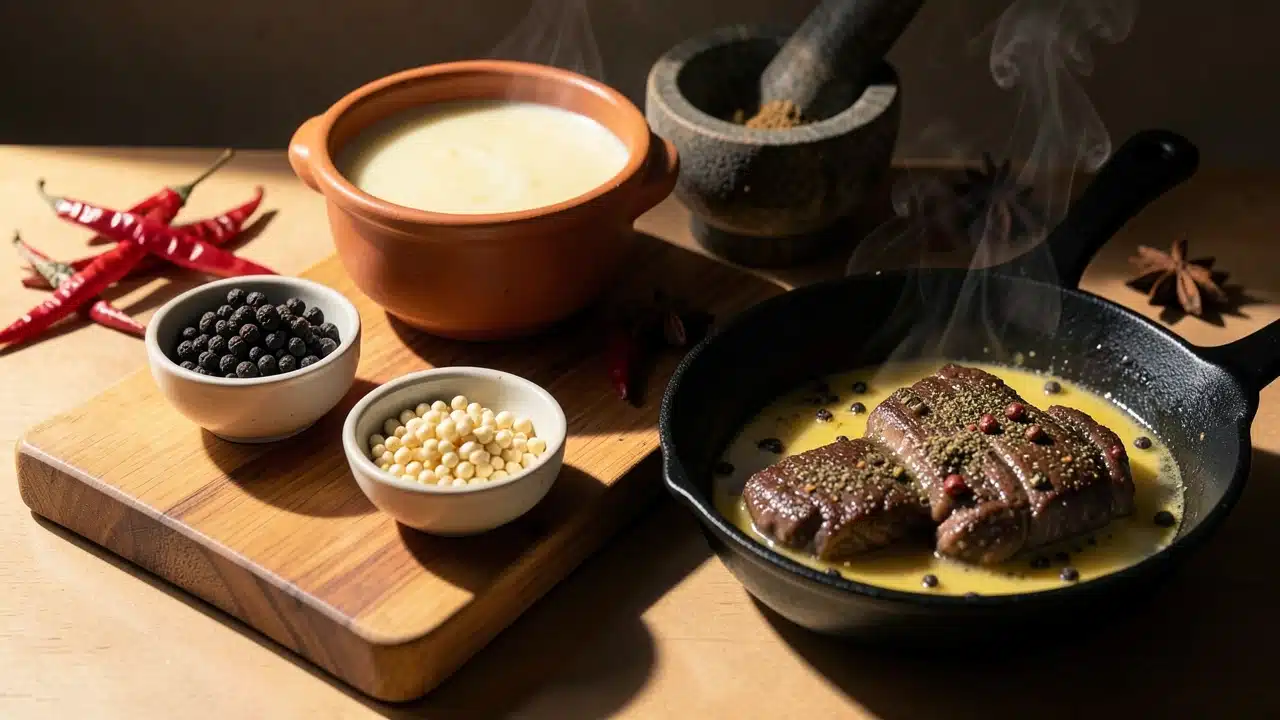
Different culinary traditions use pepper in distinct ways. In Western cooking, black pepper is king. It’s a staple in French, Italian, and American kitchens.
It’s used in everything from simple seasoning to complex spice rubs.
Asian cuisines, however, often favor white pepper. In Chinese cooking, for example, white pepper is frequently used in soups, stir-fries, and marinades. It provides a clean heat that doesn’t discolor delicate broths or ingredients.
Think of hot and sour soup or delicate steamed dumplings. White pepper’s subtle heat and lack of visual impact are perfect here.
In Indian cuisine, while black pepper is common, specific regional dishes might also utilize white pepper for its unique heat.
The choice often depends on the desired outcome and the color of the dish. This global variation in use underscores Why White Pepper and Black Pepper Are Not Swaps in Small Doses.
Each pepper has a cultural and culinary role.
Storage and Freshness: Keeping Your Pepper Potent
The flavor of pepper, like other spices, degrades over time. This is why freshness matters. Whole peppercorns retain their flavor much longer than ground pepper.
Storing Whole Peppercorns:
- Keep them in an airtight container.
- Store them in a cool, dark place, away from direct sunlight and heat.
- Avoid storing them in a spice rack right next to the stove, as the heat and steam can degrade them quickly.
Storing Ground Pepper:
- Ground pepper loses its potency much faster.
- Keep it in an airtight container.
- Use it within 6 months for best flavor.
- Pre-ground pepper from the grocery store might already be several months old when you buy it.
Proper storage ensures that your pepper, whether black or white, delivers its intended flavor. This is another facet of Why White Pepper and Black Pepper Are Not Swaps in Small Doses – their potency changes with freshness.
Frequently Asked Questions Of Why White Pepper And Black Pepper Are Not Swaps In Small Doses
Question: Is white pepper hotter than black pepper?
Answer: White pepper often has a sharper, more direct heat. While both contain piperine, the processing of white pepper concentrates this heat in the inner seed, making it feel hotter to some palates.
Question: Can I use white pepper instead of black pepper in a recipe?
Answer: It depends on the recipe. For dishes where color and subtle flavor are key, like pale sauces or delicate fish, white pepper is a better choice. For robust dishes where visual specks are fine and a complex flavor is desired, black pepper is usually preferred.
Small doses can still change the outcome.
Question: Why does white pepper look pale when ground?
Answer: The pale color comes from the removal of the outer skin (hull) of the peppercorn during processing. This process also changes its flavor profile, making it less complex than black pepper.
Question: What is the main difference between white and black pepper?
Answer: The primary difference lies in their processing, which leads to distinct flavors, aromas, and appearances. Black pepper is the whole dried berry, offering complex pungency. White pepper is the inner seed with the hull removed, providing a sharper, cleaner heat and a paler look.
Question: Is it okay to swap them in a pinch if I don’t have the other?
Answer: For casual cooking, sometimes it’s fine. However, for best results and to maintain the intended flavor profile of a dish, it’s important to understand Why White Pepper and Black Pepper Are Not Swaps in Small Doses. The subtle differences are significant.
Question: Which pepper is better for Asian cooking?
Answer: White pepper is often preferred in many Asian cuisines because its clean heat doesn’t discolor dishes and its flavor profile complements many traditional ingredients without overpowering them.
Final Thoughts
Understanding the distinct flavors and processing of black and white pepper shows why they aren’t interchangeable. Even small amounts create noticeable differences in your food’s taste and appearance. Choose the right pepper to enhance your dishes perfectly.