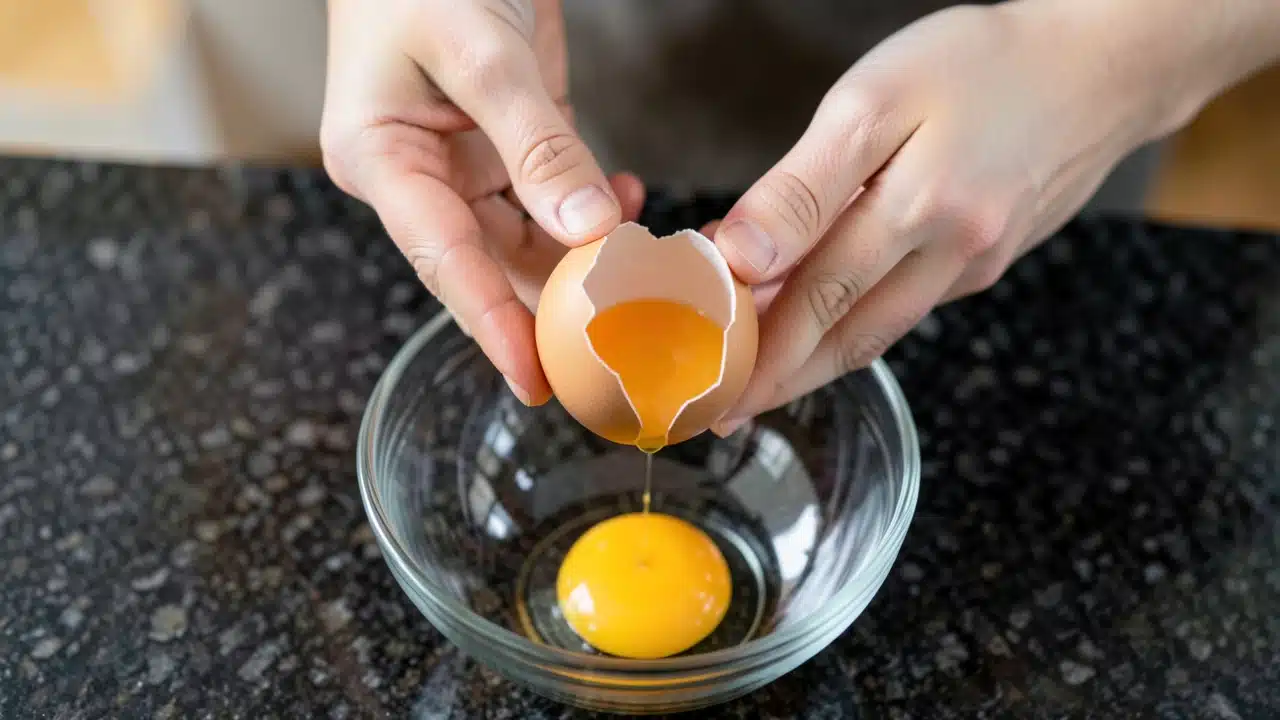
Why Cracking Eggs On A Flat Surface Prevents Shell Fragments
Cracking eggs on a flat surface prevents shell fragments because the force spreads across the shell instead of driving sharp edges inward.
A bowl rim creates a deep split that can push shell pieces into the egg. Tap once on the counter, open with both thumbs, and crack into a separate bowl for cleaner cooking.
Learning how to crack an egg properly can save you a lot of frustration in the kitchen. You might have heard that cracking eggs on a flat surface is better than on the edge of a bowl. This simple technique really does make a difference.
Understanding Why Cracking Eggs on a Flat Surface Prevents Shell Fragments means you’ll end up with cleaner eggs and fewer tiny shell pieces mixed into your food.
This skill will make your cooking and baking smoother, saving you time picking out unwanted shell bits and ensuring your dishes turn out just right.
Key Takeaways
- Cracking eggs on a flat surface creates a cleaner break.
- This method helps to keep shell fragments from falling into the egg.
- A flat surface offers more control over the crack’s depth.
- Using the rim of a bowl can push shell pieces inward.
- Proper egg cracking leads to smoother cooking and baking.
- Mastering this technique reduces food preparation time.
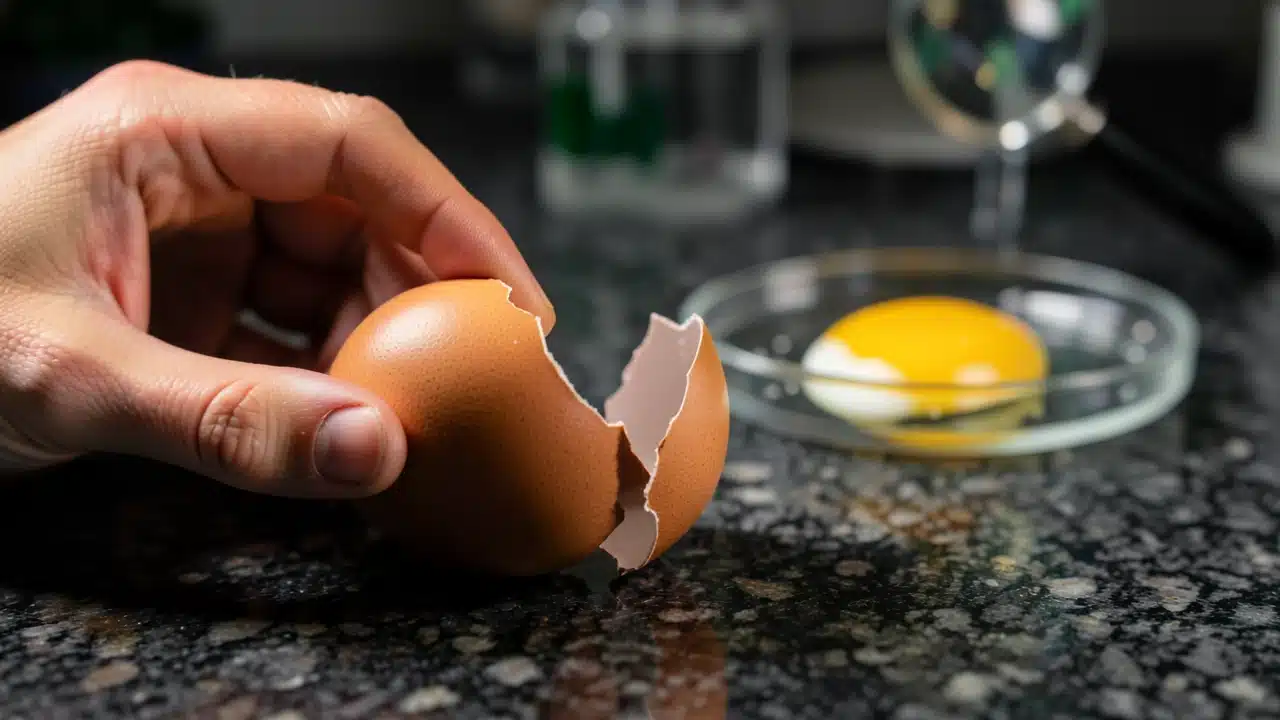
The Science Behind the Crack
Why does cracking an egg on a flat surface work so well? It all comes down to how the shell breaks. Eggshells are strong but brittle.
When you hit an egg against a sharp edge, like the rim of a bowl, it creates a concentrated point of force.
This can shatter the shell inward, pushing pieces into the egg white and yolk. A flat surface, however, distributes the impact more evenly.
This results in a cleaner, more controlled fracture. This is the core reason Why Cracking Eggs on a Flat Surface Prevents Shell Fragments.
Think of it like breaking a piece of chocolate. If you snap it against a sharp corner, it might break unevenly with jagged edges. But if you apply pressure along a flat surface, the break is much neater.
The same principle applies to eggshells. The goal is to create a single, precise crack that you can easily open. This minimizes the chance of tiny fragments being forced into the egg’s contents.
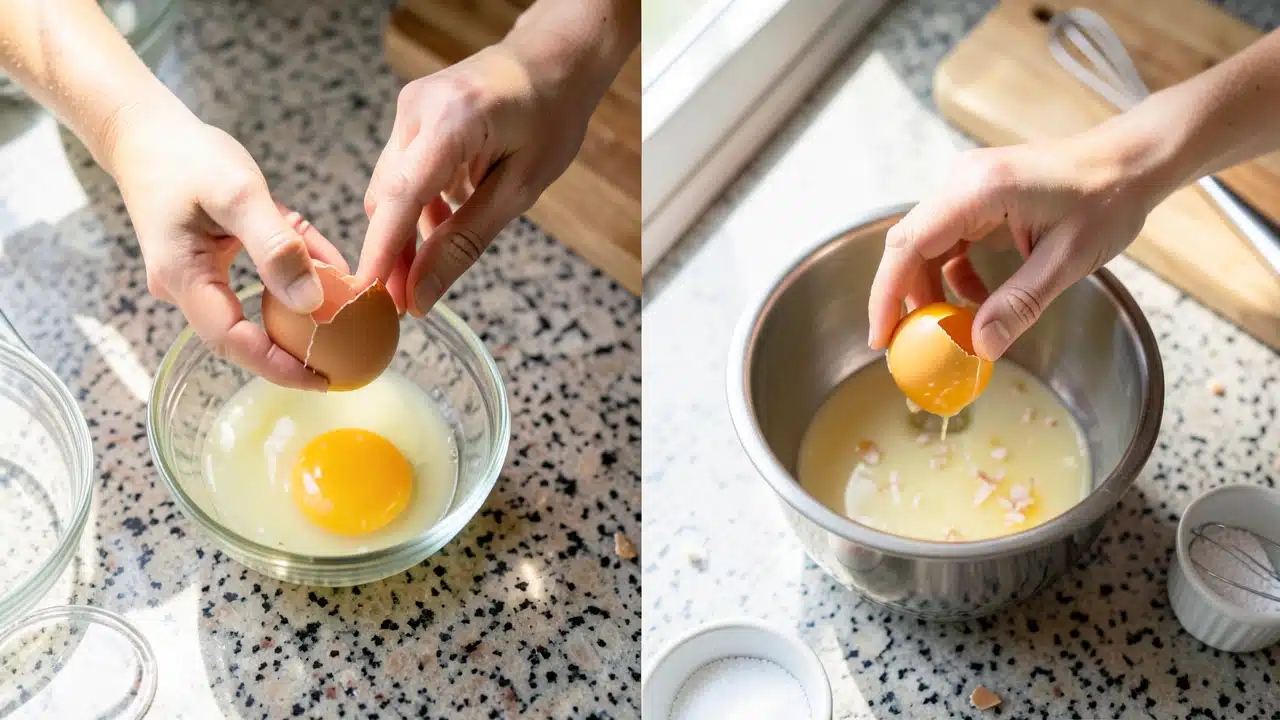
Comparing Cracking Methods
Let’s look at the two common ways people crack eggs and see why one is clearly better for avoiding shell bits. The difference is significant for anyone who cooks regularly.
| Cracking on a Flat Surface | Impact is spread evenly across the shell. Creates a controlled fracture. | A clean, single crack line. Easier to open cleanly. | Low. Shell fragments tend to stay on the outside. |
| Cracking on a Bowl Rim | Force is concentrated on a small edge. Can cause splintering. | Jagged break. Shell pieces can be pushed inward. | High. Fragments easily fall into the bowl. |
As the table shows, the flat surface method offers a much cleaner outcome. This is fundamental to understanding Why Cracking Eggs on a Flat Surface Prevents Shell Fragments. It’s a small change that has a big impact on your cooking experience.
The Problem with Bowl Rims
Many people instinctively crack eggs on the edge of their mixing bowl. It seems like the most convenient spot. However, this is where the problems usually start.
The bowl’s rim is often sharp and unyielding. When the eggshell hits it, the force isn’t spread out. Instead, it focuses on one tiny point.
This concentrated impact can cause the shell to splinter or shatter. Some of these tiny pieces can then be pushed directly into the bowl with the egg.
This is a common reason for finding annoying little shell bits in your omelets or cakes. The sharp edge of the bowl acts like a knife, cutting into the shell rather than breaking it cleanly.
This is precisely why learning Why Cracking Eggs on a Flat Surface Prevents Shell Fragments is so important for a smooth cooking process.
You want to avoid that frustrating moment of fishing out shell pieces with your fingers or a spoon.
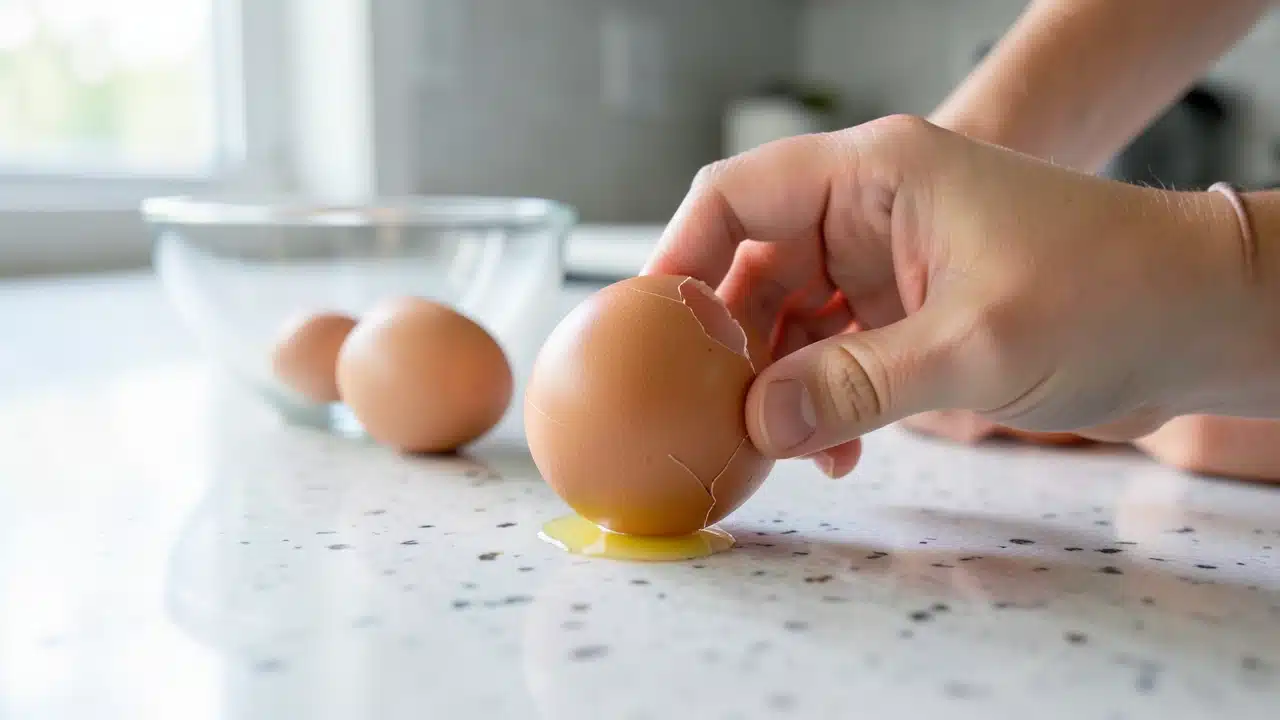
How to Crack an Egg on a Flat Surface
Mastering this technique is simple and takes just a few seconds. You don’t need any special tools, just a countertop or a cutting board. This method is a key part of understanding Why Cracking Eggs on a Flat Surface Prevents Shell Fragments.
- First, get your egg.
- Second, choose a clean, flat surface. This could be your kitchen counter, a cutting board, or even the palm of your hand if you’re careful.
- Next, hold the egg firmly in your hand. Give it a firm, but not overly forceful, tap against the flat surface. You’re aiming for a single, solid crack.
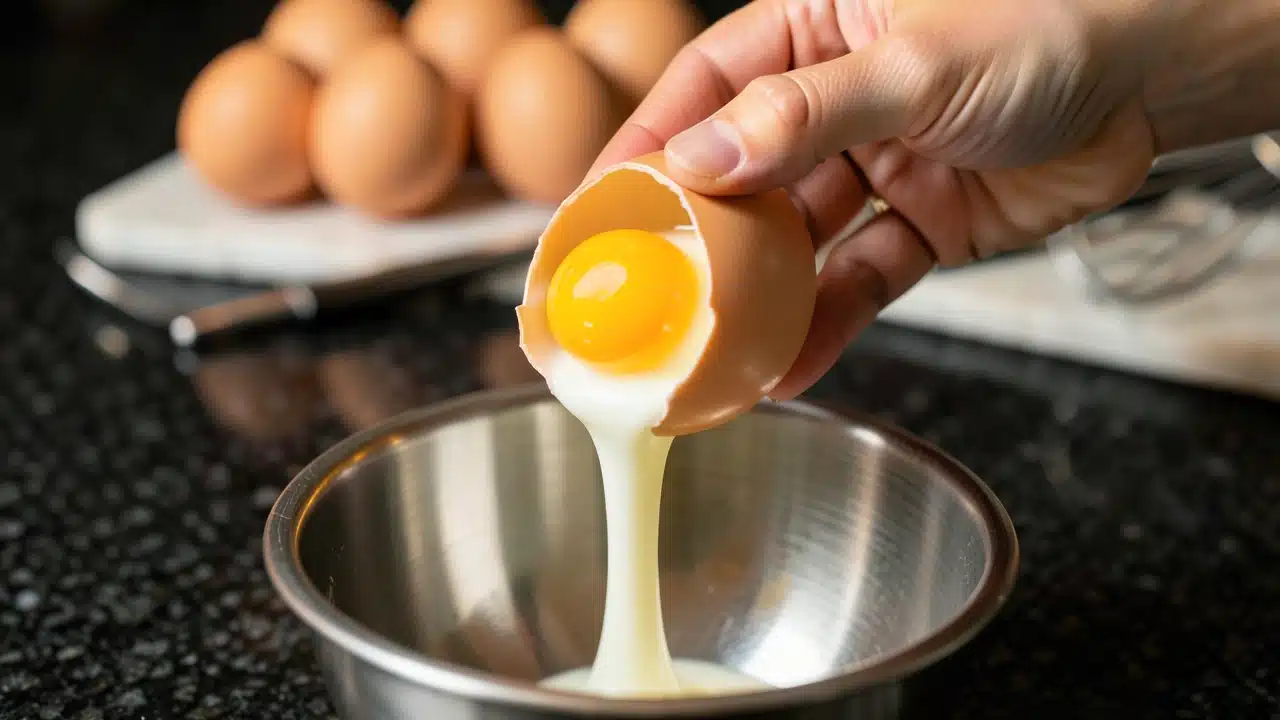
- Then, position your thumbs on either side of the crack. Gently pull the shell halves apart. The crack should open easily.
- Finally, let the egg slide into your bowl or pan.
Practice this a few times, and you’ll quickly get the hang of it. The feeling of the shell breaking cleanly will become familiar.
This is the best way to ensure you’re getting the benefit of Why Cracking Eggs on a Flat Surface Prevents Shell Fragments.
Benefits Beyond Fewer Shell Fragments
While avoiding shell fragments is the main reason to switch to flat surface cracking, there are other advantages.
These benefits contribute to a more enjoyable and efficient kitchen experience. Understanding the full impact of Why Cracking Eggs on a Flat Surface Prevents Shell Fragments reveals its value.
- Cleaner Break: As discussed, the break is cleaner, meaning less mess.
- More Control: You have better control over where the egg cracks. This means fewer accidental breaks that spill yolk.
- Less Mess on the Bowl: When you crack on a flat surface, the shell pieces tend to stay on the surface you cracked it on, not all over the bowl rim.
- Easier to Open: A clean crack makes it simpler to open the egg with just your thumbs.
- Improved Presentation: For dishes where the egg is a feature, like fried eggs, a clean crack contributes to a neater appearance.
These small improvements add up. They make the entire process of preparing eggs much more pleasant.
The knowledge of Why Cracking Eggs on a Flat Surface Prevents Shell Fragments empowers you to cook with more confidence and less hassle.
Tips for Perfect Egg Cracking
Even with the right technique, a few extra tips can help ensure perfect results every time. These small details can further enhance your understanding of Why Cracking Eggs on a Flat Surface Prevents Shell Fragments and make the process foolproof. To avoid contamination, use fresh eggs with strong shells.
- Use Fresh Eggs: Fresher eggs have stronger shells that are less likely to crumble.
- Check the Surface: Make sure the flat surface you use is clean. You don’t want to transfer dirt or germs to your egg.
- Don’t Hit Too Hard: A firm tap is enough. Overpowering the egg can cause it to break too much and push fragments inward.
- Practice with Your Palm: If you’re in a pinch or don’t have a counter nearby, cracking an egg on your palm can work. Hold the egg firmly, tap it gently, and then use your thumbs to open it. Be careful not to squeeze too hard.
- Discard Damaged Eggs: If an eggshell is already cracked or seems unusually thin, it’s best to discard it to avoid contamination.
By incorporating these tips, you’ll become a pro at cracking eggs, ensuring you always get the best results.
The understanding of Why Cracking Eggs on a Flat Surface Prevents Shell Fragments becomes second nature.
When the Bowl Rim Seems Necessary
Sometimes, you might find yourself in a situation where a flat surface isn’t readily available or practical.
For instance, if you’re in a small kitchen with limited counter space, or if you’re cooking outdoors without a stable surface. In these cases, you can still try to minimize the shell fragment issue when cracking on a bowl rim.
It requires a bit more finesse.
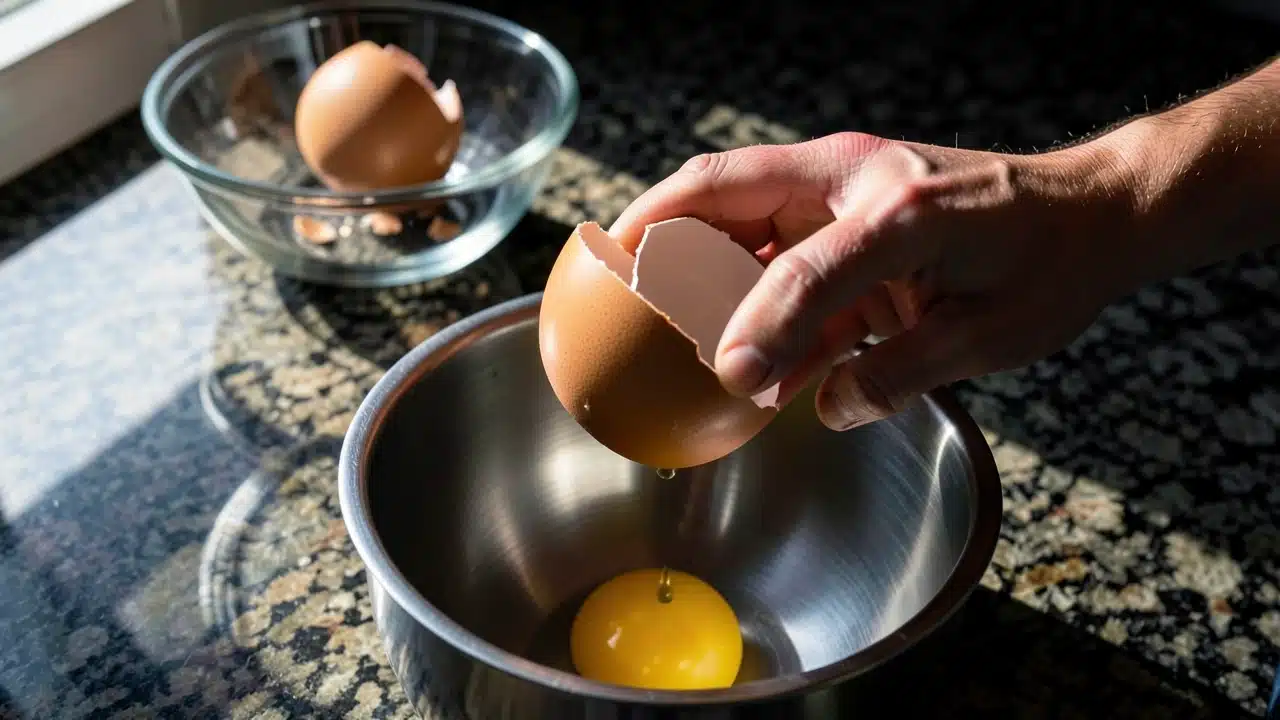
Instead of a hard whack, try a more controlled tap. Aim to create a single, clean line. Once cracked, gently insert your thumbs into the crack and pull the shell apart slowly.
This might still result in a few small fragments, but being gentle can reduce the number pushed into the bowl.
However, it’s always best to revert to the flat surface method whenever possible, as it is the most reliable way to understand Why Cracking Eggs on a Flat Surface Prevents Shell Fragments.
Frequently Asked Questions Of Why Cracking Eggs On A Flat Surface Prevents Shell Fragments
Why is cracking eggs on a flat surface better?
Cracking eggs on a flat surface distributes the impact evenly, creating a cleaner break and preventing shell fragments from being pushed into the egg. This is the core of Why Cracking Eggs on a Flat Surface Prevents Shell Fragments.
Can cracking eggs on a bowl rim cause more shell fragments?
Yes, cracking eggs on a bowl rim concentrates the force, which can cause the shell to splinter and push fragments into the egg. This is the opposite of Why Cracking Eggs on a Flat Surface Prevents Shell Fragments.
How do I avoid getting shell in my eggs?
The best way is to crack eggs on a clean, flat surface. If you do get a small piece of shell in your egg, you can often remove it by using a larger piece of the eggshell; it acts like a magnet for smaller fragments.
Does the type of eggshell matter for cracking?
Yes, fresher eggs generally have stronger shells that are less likely to crumble. Older eggs may have thinner shells, making them more prone to splintering, regardless of the cracking surface.
Is there a specific type of flat surface that’s best for cracking eggs?
Any clean, firm, flat surface will work. Common choices include kitchen countertops, cutting boards, or even the palm of your hand. The key is even pressure distribution.
What if I crack the egg and get shell in it anyway?
Don’t panic! A small piece of the eggshell itself can be used to scoop out the offending fragment. Dip the edge of a larger shell piece into the egg white near the fragment, and it should adhere to the shell piece, allowing you to remove it easily.
Final Thoughts
Learning to crack eggs on a flat surface is a simple kitchen skill that makes a big difference. It’s the most effective way to prevent shell fragments from getting into your food. This technique ensures cleaner eggs and smoother cooking, saving you time and frustration.
Embrace this easy method for better baking and cooking.