Why Mushroom Stems And Gills Belong In The Freezer, Not Trash
Mushroom stems and gills belong in the freezer, not trash, because they still hold deep umami flavour even if their texture is too tough or dark for a finished dish.
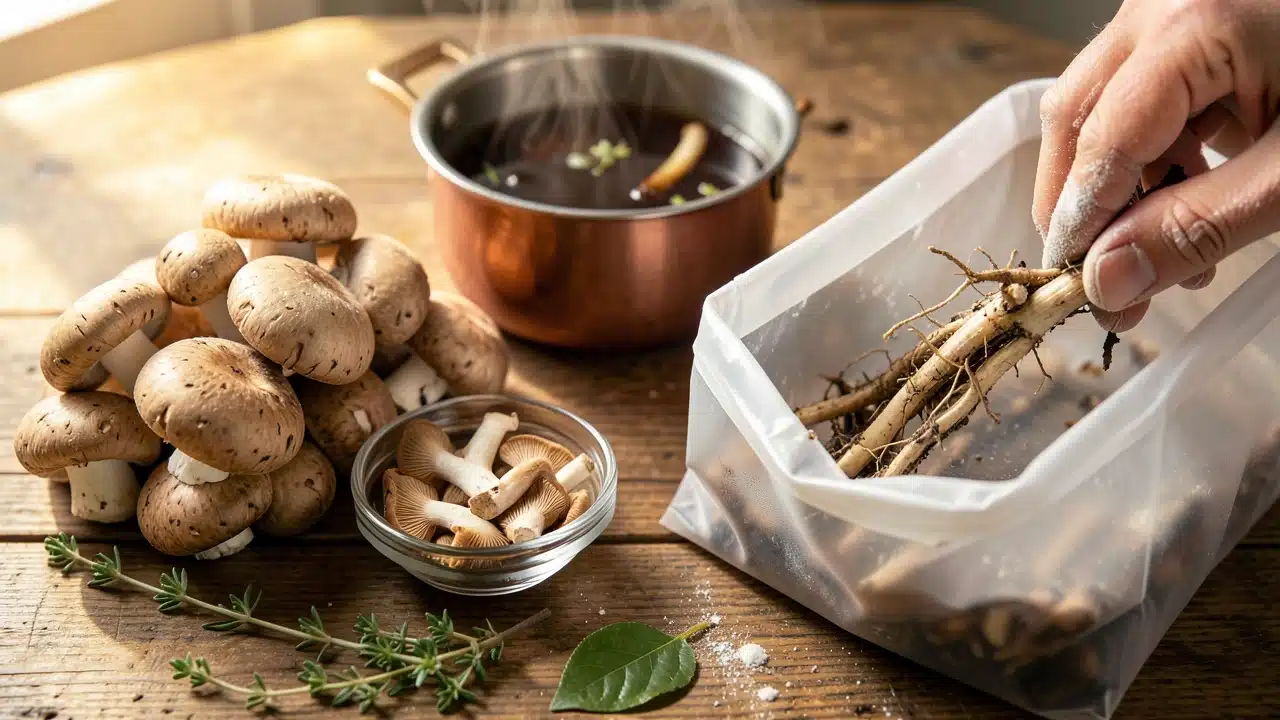
Freeze them in a small bag, then add to stocks, soups, sauces, risotto, or gravy. They boost savoury depth and reduce waste without affecting appearance.
Most people toss mushroom stems and gills without a second thought, thinking they’re just waste. But what if there’s a better way to use these parts of the mushroom?
Knowing Why Mushroom Stems and Gills Belong in the Freezer, Not Trash can help you reduce food waste and get more flavor from your cooking.
It’s a simple trick that adds a lot to your meals and your pantry. We’ll show you exactly how this small change makes a big difference.
Key Takeaways
- You can easily freeze mushroom stems and gills for later use.
- Frozen mushroom parts are perfect for making rich stocks and broths.
- Freezing preserves the flavor and nutrients of mushroom scraps.
- This method significantly cuts down on kitchen waste.
- You’ll save money by using more of the mushrooms you buy.
- It’s a simple step that adds depth to soups, stews, and sauces.
Stop Throwing Away Flavor: The Power of Mushroom Scraps
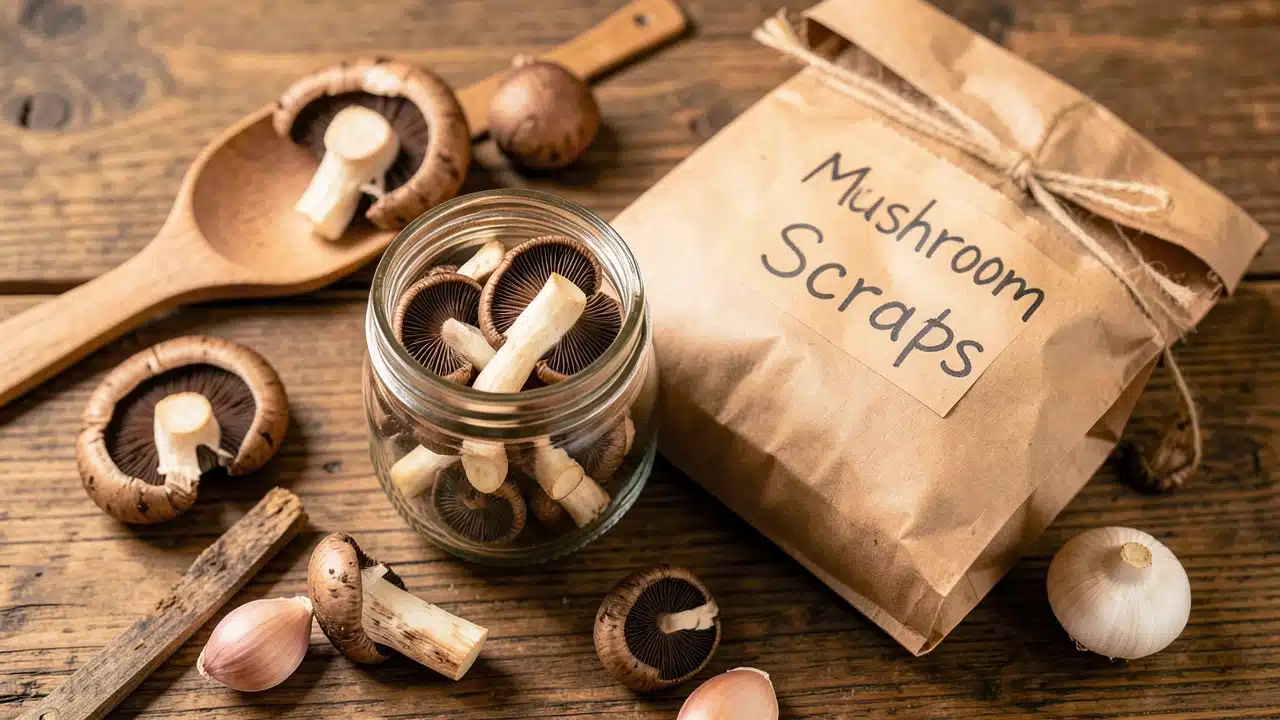
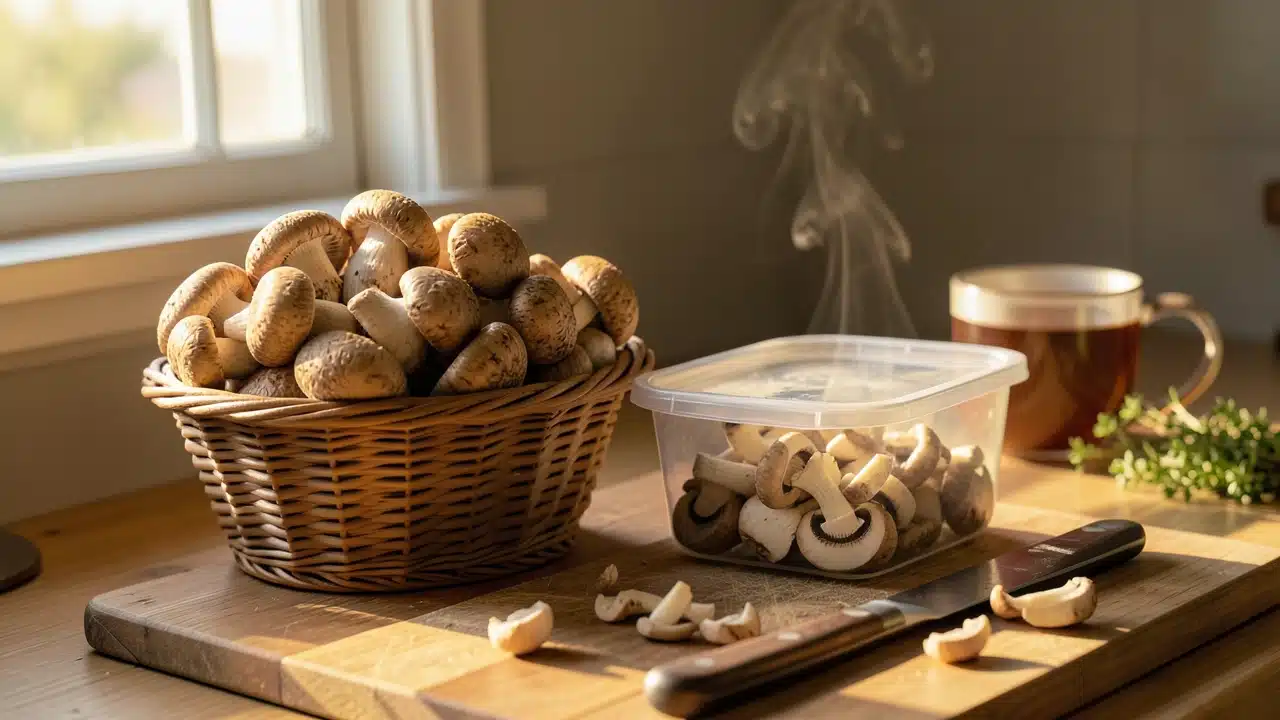
Mushrooms are a wonderful addition to many dishes. They offer a unique, earthy flavor that can transform a meal. Often, when we prepare mushrooms, we chop off the stems and discard the delicate gills.
This is a common practice, but it means we’re throwing away a lot of potential flavor and goodness. Understanding Why Mushroom Stems and Gills Belong in the Freezer, Not Trash is the first step to a more resourceful kitchen. These parts, though often overlooked, are packed with the same savory essence that makes mushrooms so delicious.
Think about the flavor profile of a mushroom. It comes from the entire mushroom, not just the cap. The stems and gills absorb moisture and nutrients from their environment, concentrating that umami taste.
When you toss them, you’re essentially throwing away a free flavor enhancer. This realization is key to grasping Why Mushroom Stems and Gills Belong in the Freezer, Not Trash. By saving them, you’re not just being thrifty; you’re actively choosing to capture more culinary value.
The Magic of Freezing: Preserving Mushroom Goodness
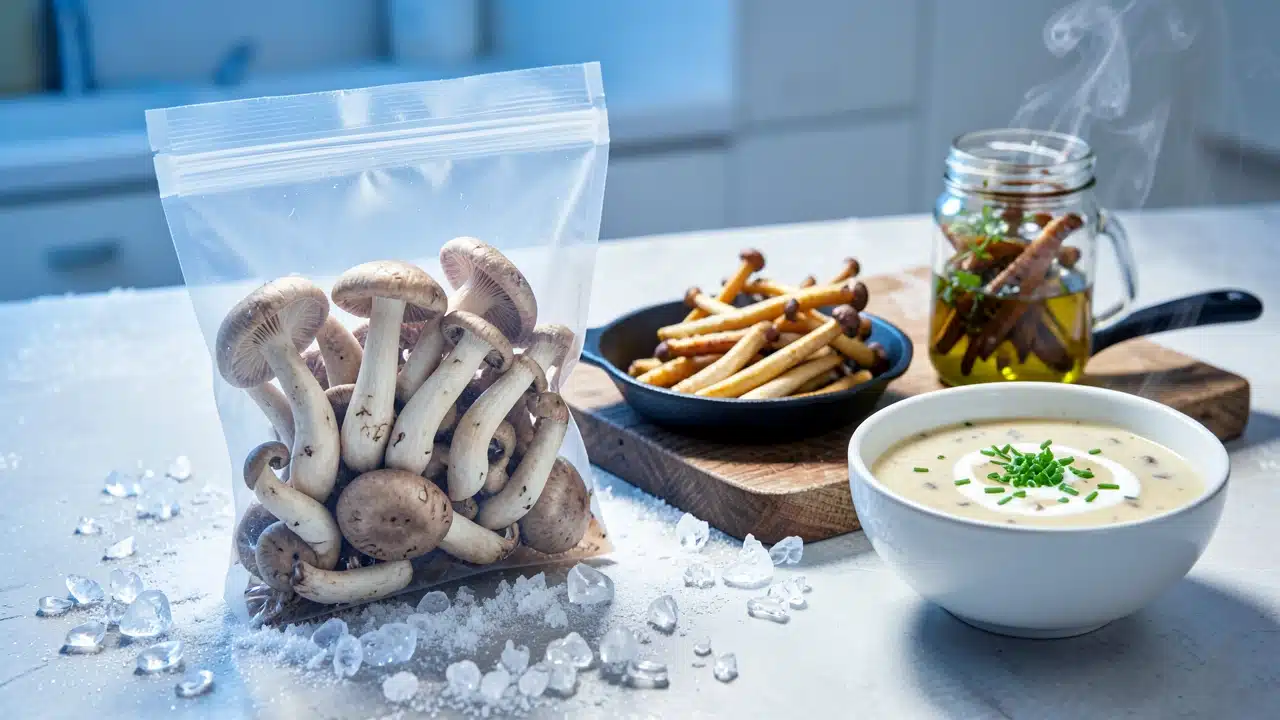
Freezing is a fantastic way to preserve food without losing its quality. For mushroom stems and gills, freezing is particularly effective. It halts the natural decay process and locks in their flavor and nutrients.
When you’re ready to use them, they’ll be almost as good as when they were fresh. This makes the concept of Why Mushroom Stems and Gills Belong in the Freezer, Not Trash incredibly practical.
The cold temperature of the freezer slows down any enzymatic activity that would cause spoilage. It also prevents moisture loss, which can dry out and toughen the mushroom parts if left out too long. So, instead of letting them wilt in the bin, giving them a chill is a smart move.
This preservation method ensures that when you need that mushroom flavor boost, it’s readily available.
Your Secret Ingredient: Making Mushroom Broth
The most common and rewarding use for frozen mushroom stems and gills is making a rich, flavorful mushroom broth.
This broth is a culinary goldmine. It’s far superior to store-bought versions, which often lack the depth and complexity of homemade stock.
Knowing Why Mushroom Stems and Gills Belong in the Freezer, Not Trash is directly linked to the amazing broths you can create.
First, gather your frozen mushroom stems and gills. You can also add other vegetable scraps like onion peels, carrot tops, and celery ends. Second, place them in a large pot or slow cooker.
Next, cover everything with water. You can add a bay leaf, a few peppercorns, or a sprig of thyme for extra flavor. Then, simmer the mixture gently for at least an hour, or longer for a more intense flavor.
The longer it simmers, the more flavor is extracted. Finally, strain the broth through a fine-mesh sieve. You’ll be left with a beautiful, amber-colored liquid that’s packed with mushroom essence.
Benefits of Homemade Mushroom Broth
This homemade broth is incredibly versatile. You can use it as a base for soups, stews, risottos, and sauces. It adds an incredible depth of flavor that can make even simple dishes taste gourmet.
This is a prime example of Why Mushroom Stems and Gills Belong in the Freezer, Not Trash - they become the foundation for something truly special.
Using your own mushroom broth also means you control the ingredients. You can avoid added salt and preservatives often found in commercial broths. This makes it a healthier option for you and your family.
The cost savings are also significant; you’re essentially getting free flavor enhancers and a base for countless meals.
Beyond Broth: Other Ways to Use Frozen Mushroom Scraps
While broth is a star application, frozen mushroom stems and gills can be used in other ways too. Don’t limit yourself to just stock.
Exploring these alternatives further clarifies Why Mushroom Stems and Gills Belong in the Freezer, Not Trash.
- Flavoring Grains: Add a few frozen mushroom scraps to the water when cooking rice, quinoa, or barley. They’ll infuse the grains with a subtle, earthy taste.
- Sauce Enhancers: Blend a small amount of thawed mushroom scraps into creamy sauces or gravies for an added layer of flavor and richness.
- Vegetable Roasts: Toss a few frozen pieces with your vegetables before roasting. They’ll soften and release their flavor as they cook, complementing the other ingredients.
- Mushroom Powders: If you have a lot of dried mushroom scraps, you can grind them into a powder. This mushroom powder can be used as a seasoning for almost anything, from popcorn to pasta.
Practical Steps: How to Prepare and Freeze
Getting started with saving your mushroom stems and gills is simple. It requires minimal effort for maximum reward. This ease of preparation is a big part of Why Mushroom Stems and Gills Belong in the Freezer, Not Trash.
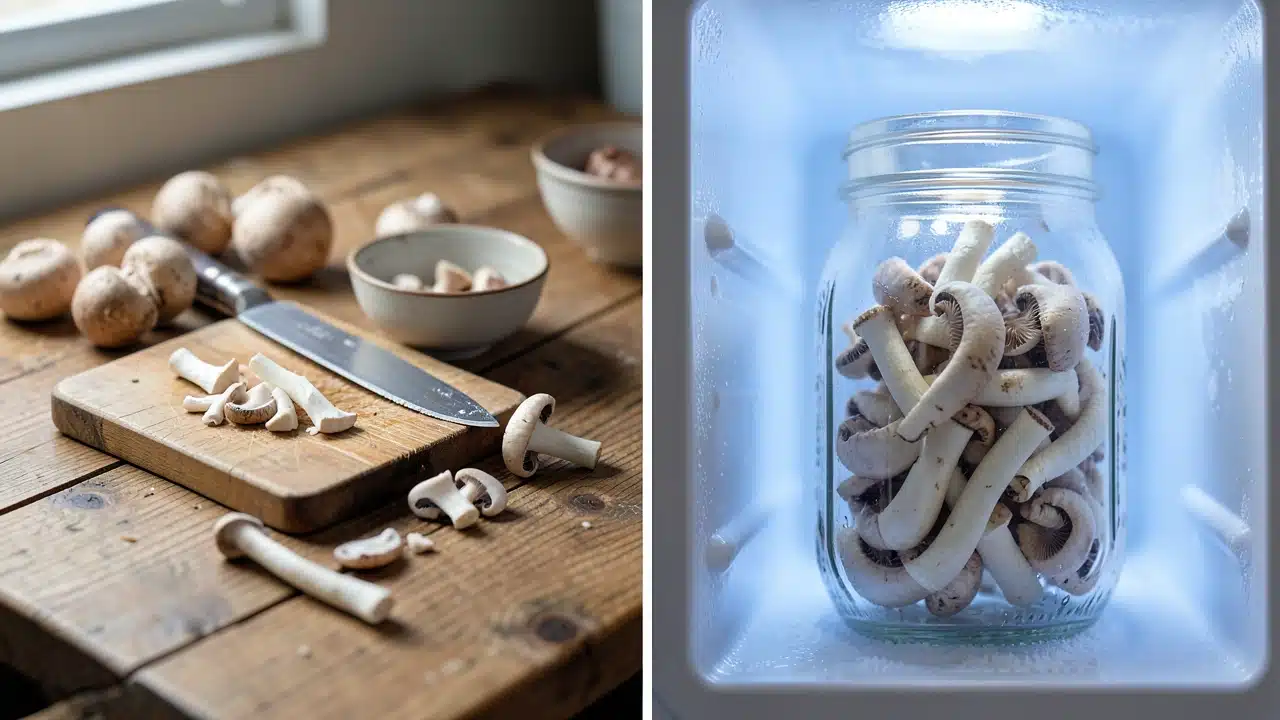
- Clean Your Mushrooms: When you bring mushrooms home, gently brush off any dirt. Avoid washing them unless absolutely necessary, as they can absorb too much water.
- Prepare the Scraps: As you cook with mushrooms, trim off any tough or woody ends of the stems. Remove the gills if they are very delicate or if you prefer not to use them for a smoother broth. Don’t worry about perfection; any bits will do.
- Portion for Freezing: Place the stems and gills into a reusable freezer bag or an airtight container. It’s helpful to portion them into quantities you’re likely to use at once for making broth. For example, one bag could hold enough scraps for one batch of stock.
- Label and Freeze: Seal the bag or container tightly and label it with the date. This helps you keep track of how long they’ve been in the freezer.
It’s important to freeze them relatively soon after preparing them to capture the freshest flavor. While they can last for several months in the freezer, their flavor is best when used within 6-12 months. This simple process ensures you always have a ready supply of flavor boosters.
Comparing Waste vs. Resource: A Kitchen Audit
Let’s look at how much you might be missing out on by discarding mushroom stems and gills. This comparison highlights Why Mushroom Stems and Gills Belong in the Freezer, Not Trash.
| Food Waste | Significant portion of the mushroom is thrown away. | Minimal waste; nearly the entire mushroom is utilized. |
| Flavor Potential | Lost flavor that could enhance other dishes. | Flavor is preserved and ready to be extracted for stocks, soups, and more. |
| Cost Savings | Higher per-meal cost as you’re not using the full product. | Lower per-meal cost; you get more value from each mushroom purchase. |
| Nutrient Utilization | Nutrients in stems and gills are lost. | Nutrients are preserved and can be transferred to broths and other foods. |
| Kitchen Resourcefulness | Less resourceful; relies on buying additional flavor bases. | Highly resourceful; creates a homemade, superior flavor base from scraps. |
The table clearly shows the benefits of choosing to freeze rather than discard. It’s a clear win for your wallet and your cooking.
This practical approach makes understanding Why Mushroom Stems and Gills Belong in the Freezer, Not Trash a no-brainer for home cooks.
Common Mushroom Varieties for Saving Scraps
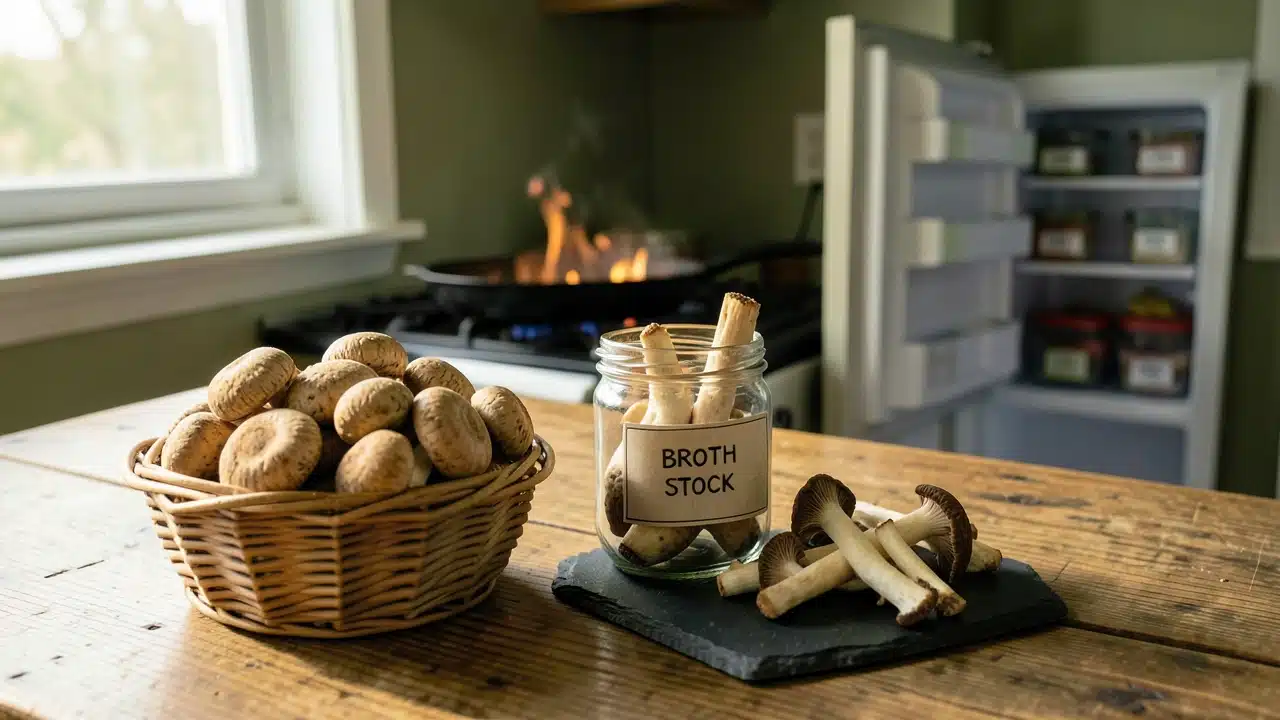
Almost all common mushroom varieties can have their stems and gills saved. This broad applicability is another reason why understanding Why Mushroom Stems and Gills Belong in the Freezer, Not Trash is so beneficial.
Whether you’re using button mushrooms, cremini, or shiitakes, their scraps can contribute to your flavor stash. Freezing mushroom scraps is a simple way to reduce food waste in the kitchen.
- Button Mushrooms: These are mild and versatile. Their stems and gills add a gentle earthiness.
- Cremini Mushrooms: Also known as baby bellas, these have a slightly richer flavor than button mushrooms. Their scraps will yield a more robust broth.
- Portobello Mushrooms: These are mature cremini mushrooms. Their stems are often thicker and their gills can be quite pronounced. They contribute a deep, meaty flavor to stocks.
- Shiitake Mushrooms: Shiitake stems are quite woody and fibrous and are often removed before cooking. However, they can still be simmered in stock for a very long time to impart flavor. Their gills are very flavorful.
- Oyster Mushrooms: The delicate gills and stems of oyster mushrooms are full of flavor. They break down easily in broths.
Even dried mushrooms, when rehydrated, can have their stems and gills used. While the flavor might be more concentrated, they can still add a unique dimension to your cooking. The key is to experiment and see what works best for your palate and your recipes. Practicing kitchen resourcefulness aligns with national goals to cut food loss and waste.
Frequently Asked Questions Of Why Mushroom Stems And Gills Belong In The Freezer, Not Trash
Question: Can I freeze mushroom stems and gills if they look a little soft?
Answer: Yes, you can usually freeze them even if they’ve softened a bit. As long as there are no signs of mold or spoilage, they are still perfectly good for making broth. The freezing process will preserve them.
Question: How long do frozen mushroom stems and gills last in the freezer?
Answer: They can last for up to a year in the freezer. For the best flavor, it’s recommended to use them within 6 to 12 months.
Question: Should I wash mushroom stems and gills before freezing?
Answer: It’s best to avoid washing them if possible, as mushrooms absorb water. Gently brush off any dirt. If they are very dirty, a quick rinse and thorough pat dry before freezing is okay.
Question: What’s the main benefit of knowing Why Mushroom Stems and Gills Belong in the Freezer, Not Trash?
Answer: The main benefit is reducing food waste and creating a free, flavorful base for stocks, soups, and sauces, saving you money and enhancing your cooking.
Question: Can I combine mushroom scraps with other vegetable scraps for broth?
Answer: Absolutely. Combining mushroom scraps with onion peels, carrot tops, celery ends, and herb stems creates an even more complex and flavorful vegetable broth.
Question: Will freezing affect the texture of mushroom stems and gills for other uses?
Answer: Freezing is best for applications where texture isn’t critical, like making broth or flavoring grains. If you intended to sauté them as a side dish, it’s better to use them fresh.
Final Thoughts
By choosing to freeze your mushroom stems and gills, you’re making a smart move for your kitchen. You’ll cut down on waste and gain a fantastic ingredient for homemade broths and other dishes. It’s a simple habit that adds big flavor and value to your cooking.