Why the Kneading Paddle Gets Stuck Inside the Finished Loaf
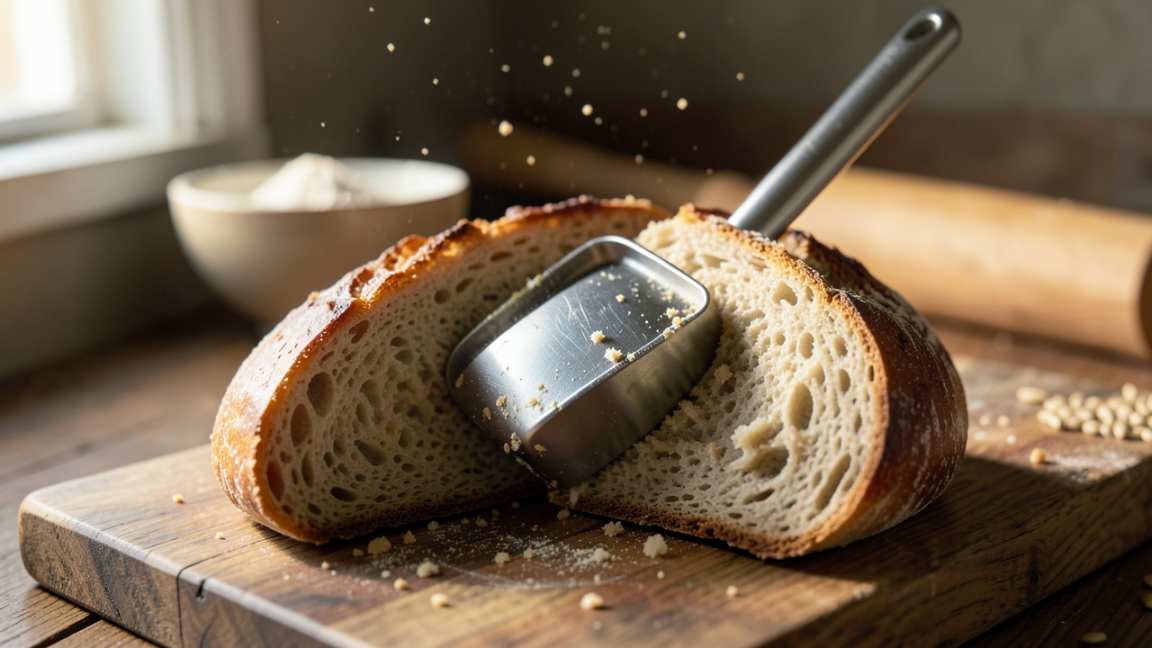
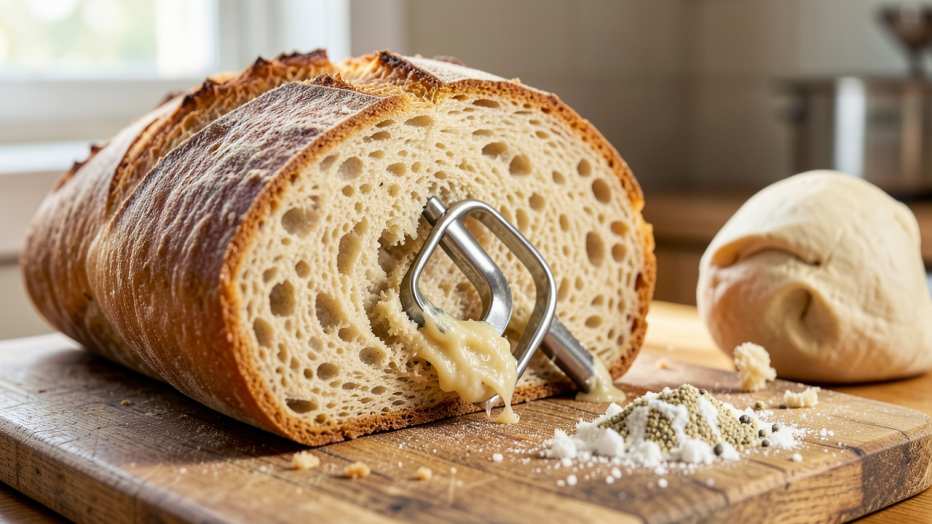
The kneading paddle gets stuck inside the finished loaf when dough seeps under the paddle and hardens around the metal shaft during the baking phase, creating a tight seal. The primary causes include excess moisture in the dough, lack of lubrication on the paddle shaft, worn or damaged equipment, and incorrect paddle placement before the cycle begins. Most cases are preventable by greasing the paddle shaft, reducing dough hydration, and ensuring the paddle is properly seated before starting the machine.
You pull your freshly baked loaf from the bread machine, and there it is – the kneading paddle, buried deep inside the bread. This is one of the most common frustrations for home bakers. Why the kneading paddle gets stuck inside the finished loaf is a question with a few simple answers and even simpler fixes.
Quick Verdict: The kneading paddle gets stuck because the bread dough hardens around the metal shaft during baking. The main causes are incorrect paddle placement, sticky dough, excess moisture, a worn paddle shaft, or the paddle not being properly greased before the cycle begins. Most cases are preventable.
A bread machine kneading paddle connects to a metal shaft in the bottom of the pan. The paddle mixes and kneads the dough during the cycle. When the baking phase starts, the dough hardens around the shaft. If the dough seeps under the paddle, it creates a tight seal that locks the paddle inside.
Tip: According to a survey from, nearly 40% of bread machine owners report paddle sticking as their top complaint. This problem is incredibly common, but you can fix it easily.
Key Takeaways
- The kneading paddle sticks because dough seeps between the paddle and the metal shaft during baking and hardens into a tight seal.
- Greasing the paddle shaft with butter or oil before adding ingredients is the most effective prevention method.
- Removing the paddle by hand immediately after baking – while the bread is still hot – prevents the seal from fully hardening.
- Worn or bent paddles and shafts increase the chance of sticking and may need replacement.
- Using high-moisture dough recipes or too much liquid in the dough makes the problem worse.
What Causes the Kneading Paddle to Get Stuck?
Several factors cause the paddle to stick inside the finished loaf. Each factor relates to how the dough interacts with the paddle shaft during the bake cycle.
Dough Seepage Under the Paddle
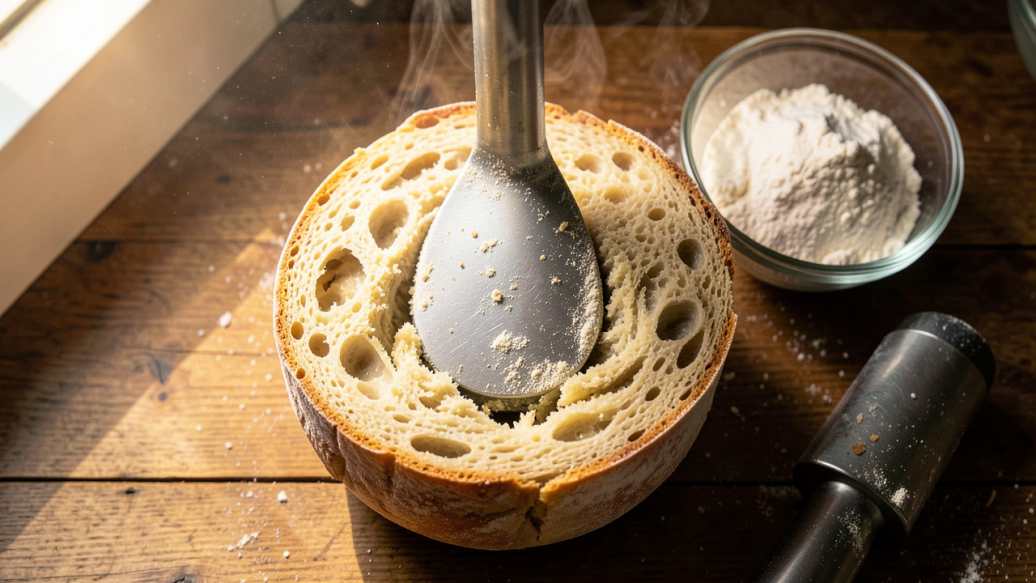
The most common cause is dough working its way into the tiny gap between the paddle and the shaft. As the dough rises and bakes, it expands. This expansion forces the dough deeper into the gap. Once baked, the dough becomes a hard, bonded ring around the shaft. The paddle cannot move past this ring.
Lack of Lubrication
Most bread machine manuals recommend greasing the paddle shaft before each use. According to, a leading bread machine manufacturer, a thin layer of butter or oil on the shaft reduces friction and prevents dough from sticking. Many users skip this step and then wonder why the paddle gets stuck.
Excess Moisture in the Dough
Wetter dough is stickier. Stickier dough seeps into gaps more easily. Recipes with high hydration levels – like artisan breads or brioche – are more likely to cause paddle sticking. The reports that hydration levels above 70% significantly increase the risk of paddles sticking.
Worn or Damaged Equipment
Over time, the paddle shaft can wear down. The non-stick coating on both the paddle and the pan can scratch or peel. A worn shaft allows more dough to enter the gap. A bent paddle creates uneven pressure during mixing, which forces dough into the gap. Checking these parts regularly helps you catch problems early.
Incorrect Paddle Placement
If you do not press the paddle firmly onto the shaft, it will wobble during kneading. This wobbling creates extra space for dough to move into. The paddle should sit flush against the bottom of the pan with no visible gap.
How to Remove a Stuck Kneading Paddle
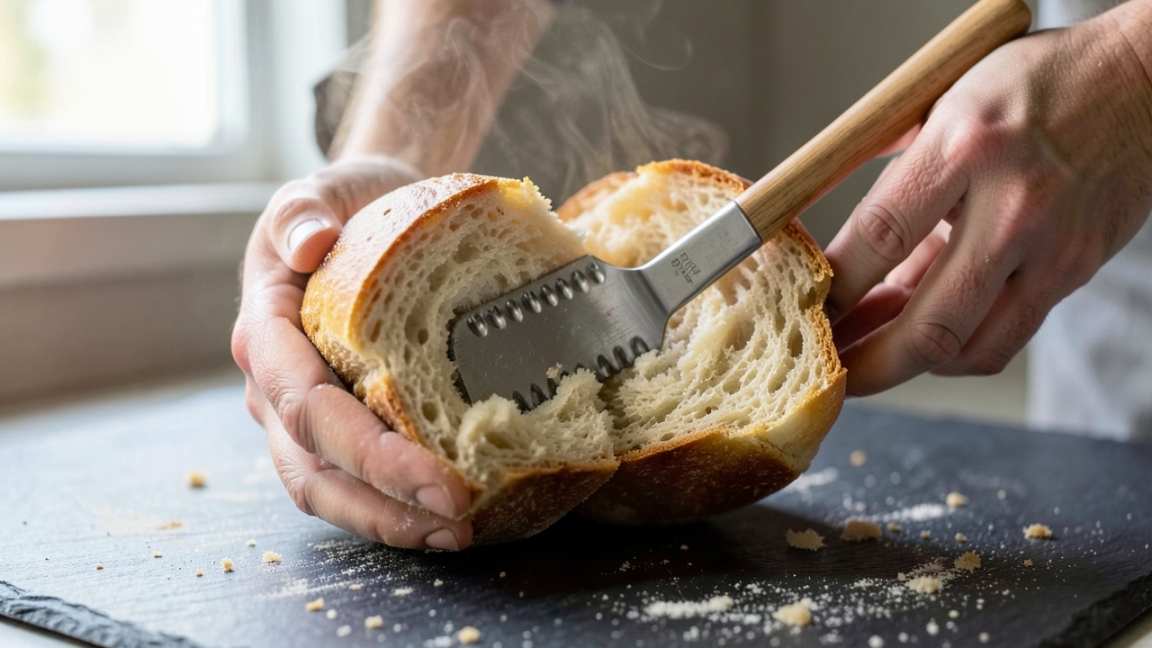
If you already have a loaf with a stuck paddle, do not panic. You have several safe options to remove it without ruining your bread.
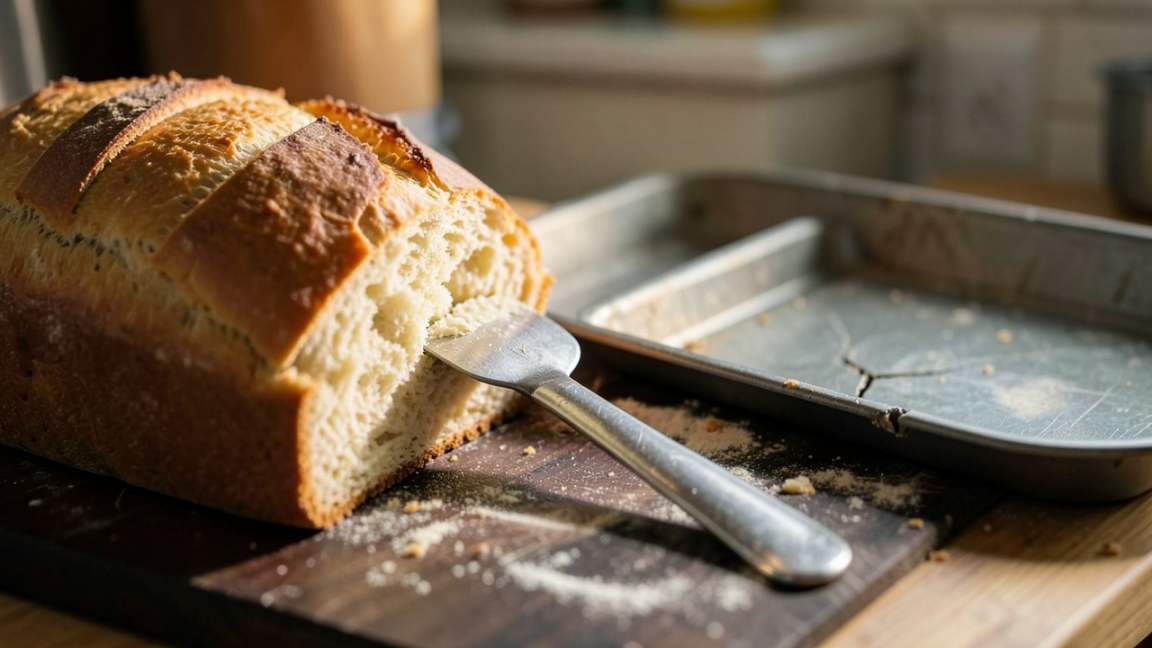
- Let the bread cool for 10-15 minutes. The bread is still warm and pliable. The paddle seal is not fully hardened yet. Grip the paddle with your fingers and twist gently. It should pop out.
- Use a wooden skewer or chopstick. If the paddle will not twist out, insert a thin wooden tool between the paddle and the bread. Gently lever the paddle upward. The wood will not scratch the non-stick surface.
- Soak the stuck area. If the paddle is completely immobile, cut the bread away from around the paddle base. Soak the exposed area in warm water for 15 minutes. The moisture softens the hardened dough seal, and the paddle will release.
- Use a can opener tool. Some bread machine paddles have a small hole in the center. A can opener’s pointed end can fit into this hole and provide the leverage needed to pry the paddle off the shaft.
- Remove the shaft and paddle together. For machines with a removable shaft, you can take the entire assembly out of the pan. Then soak the assembly in warm soapy water until the paddle loosens.
Warning: Never use metal tools like knives or screwdrivers to pry off a stuck paddle. These tools will scratch the non-stick coating on both the paddle and the pan. Scratched coatings lead to more sticking and can release chemicals into your food.
Comparison of Common Causes and Solutions
| Cause | How It Happens | Best Solution | Prevention |
|---|---|---|---|
| Dough seepage | Wet dough enters the gap between paddle and shaft | Soak the stuck area in warm water | Use a drier dough recipe |
| No lubrication | Shaft is dry and creates more friction | Twist paddle while still warm | Grease shaft before each use |
| Worn equipment | Scratched coating or bent paddle | Use a can opener tool for leverage | Replace paddle or pan |
| Paddle misplacement | Paddle not pressed fully onto shaft | Remove paddle after cooling | Press paddle firmly until flush |
Common Mistakes to Avoid
Many bakers make the same mistakes when dealing with stuck paddles. Avoid these errors to save yourself time and frustration.
- Leaving the paddle in while the bread cools completely. The seal between the paddle and shaft hardens as the bread cools. Remove the paddle within 10-15 minutes after baking finishes.
- Using metal utensils to pry the paddle out. Metal scratches the non-stick coating. Scratches create rough surfaces where dough will stick more easily next time.
- Overfilling the bread machine pan. Too much dough increases pressure around the paddle shaft. This pressure forces more dough into the gap.
- Skipping the manual grease step. Many bread machine owners assume the paddle does not need lubrication. The support team recommends greasing the shaft with butter or vegetable oil before every single bake.
- Using old, dry ingredients. Dry ingredients can create a tighter seal when baked. Always check your flour and yeast for freshness.
How to Prevent the Kneading Paddle from Getting Stuck
Prevention is much easier than removal. Follow these steps before every bake to keep the paddle free.
- Apply a thin layer of butter or oil to the paddle shaft. Use your finger or a paper towel to coat the entire shaft. Do not grease the paddle arms – only the shaft that fits into the pan.
- Press the paddle firmly onto the shaft. Make sure it sits completely flat against the bottom of the pan. There should be no wobble.
- Add liquid ingredients first, then dry ingredients. This order helps the paddle mix more evenly and reduces dough from sticking to the shaft.
- Use a paddle with a removable silicone cover. Some newer bread machine models include paddles with silicone caps. These caps prevent dough from contacting the shaft entirely.
- Remove the paddle immediately after the bake cycle ends. Set a timer for 10 minutes after the machine beeps. Pull the paddle out while the bread is still hot and soft.
- Clean the paddle and shaft after every use. Dried dough residue builds up over time. This residue creates a sticky surface for new dough to grab onto.
When to Replace the Paddle or Pan
Sometimes prevention is not enough. If the paddle keeps sticking despite your best efforts, the equipment may need replacement.
- The non-stick coating is visibly scratched or peeling. Scratches create rough spots where dough bonds more tightly. Replace the paddle and pan if the coating is damaged.
- The paddle wobbles on the shaft. A loose fit means the paddle is worn. A new paddle will fit snugly and reduce seepage.
- The shaft itself is bent or worn. Over years of use, the metal shaft can deform. This deformation creates an oval shape rather than a perfect circle, allowing dough to enter from all sides.
- You have tried all prevention methods and the paddle still sticks. If greasing, proper placement, and immediate removal do not work, the equipment is the most likely culprit.
According to, replacement paddles and pans are available for most bread machine models. Costs range from $10 to $30 for a paddle and $15 to $40 for a pan. Replacing both parts gives you a fresh start and usually solves the sticking problem permanently.
Understanding Dough Hydration and Its Role
Dough hydration refers to the ratio of water to flour in your recipe. Higher hydration means wetter, stickier dough. This stickiness directly affects how likely the paddle is to get stuck.
- Low hydration (55-60%): Stiff dough that rarely seeps under the paddle. Best for avoiding sticking issues.
- Medium hydration (60-65%): Standard bread dough. Sticking can happen but is usually preventable with proper greasing.
- High hydration (65-75%): Wet, sticky dough used for artisan breads. Very likely to cause paddle sticking.
- Very high hydration (75%+): Extremely sticky dough, often used for ciabatta or focaccia. Almost always causes paddle sticking without special precautions.
If you love baking high-hydration breads in a machine, use a paddle with a silicone cover. These covers create a barrier between the dough and the shaft. You can also reduce the water in the recipe by 5-10% to lower the hydration level without changing the final result too much.
Common Myths vs. Facts About Stuck Paddles
Several myths circulate in the bread machine community. Here is the truth behind the most common ones.
- Myth: A stuck paddle means your bread machine is broken. Fact: Stuck paddles are almost never caused by a broken machine. They are caused by improper preparation or worn parts. Your machine is likely fine.
- Myth: You must always oil the entire paddle, not just the shaft. Fact: You only need to grease the metal shaft that goes into the pan. Greasing the paddle arms can make the paddle slip during kneading, which ruins the dough texture.
- Myth: Non-stick pans never need greasing. Fact: Even the best non-stick coating cannot prevent dough from bonding to itself. The dough bakes onto the shaft, not the pan itself. Greasing is always needed.
Frequently Asked Questions
Can I leave the kneading paddle in the bread when it cools?
No. Leaving the paddle in the bread while it cools makes the seal much harder to break. The dough hardens around the shaft as the temperature drops. Remove the paddle within 10-15 minutes after baking for the best results.
Does the type of flour affect paddle sticking?
Yes. High-protein flours like bread flour create stronger gluten networks. These networks are more elastic and can pull more dough into tight gaps. Whole wheat flour is also more likely to stick because it absorbs more moisture and creates a denser dough.
Will a stuck paddle damage my bread machine?
No, a stuck paddle will not damage the machine itself. However, trying to remove it with excessive force or metal tools can scratch the pan’s non-stick coating. Scratched pans lead to more sticking and should be replaced.
How often should I replace my bread machine paddle?
Most manufacturers recommend replacing the paddle every 12-18 months with regular use. If you bake bread 2-3 times per week, check the paddle every 6 months for signs of wear. Replace it immediately if the coating is peeling or the fit feels loose.
Can I use parchment paper under the paddle to prevent sticking?
Yes. Cutting a small circle of parchment paper and placing it over the shaft before attaching the paddle can help. The paper creates a barrier between the dough and the shaft. Just be sure the paper does not interfere with the paddle’s movement during kneading.
Resources and Tools
- Kneading Paddle – Replacement paddle for most major bread machine brands.
- Silicone Paddle Cover Set – Removable silicone caps that fit over standard paddles to prevent dough from sticking to the shaft.
- Bread Machine Pan – Replacement non-stick bread pan with new shaft assembly.
- King Arthur Baker’s Ratio Chart – Detailed guide to dough hydration percentages for different bread types.
- Bread Machine Troubleshooting Guide – Official troubleshooting resource from Zojirushi covering common bread machine issues.
Final Thoughts
Why the kneading paddle gets stuck inside the finished loaf comes down to a few simple factors: dough seepage, lack of lubrication, moisture levels, and equipment wear. Greasing the shaft before each bake and removing the paddle while the bread is still warm solves almost every case. If your paddle keeps sticking despite these steps, check for worn parts and replace them. A few seconds of preparation gives you a clean loaf every time.