
Japandi Kitchen Design: How To Blend Japanese And Scandinavian Styles
Imagine a morning spent in a kitchen that feels both calm and incredibly functional. You reach for a mug, and everything you need is neatly organized, bathed in soft, natural light. This isn’t a dream; it’s the essence of Japandi kitchen design.
This popular style blends the minimalist, natural aesthetic of Japanese design with the cozy, functional simplicity of Scandinavian design.
By exploring these principles, you’ll learn how to create a Japandi Kitchen Design: How to Blend Japanese and Scandinavian Styles that feels peaceful, inviting, and perfectly organized, making your time in the kitchen a joy.
Key Takeaways
- Discover the core philosophies that define both Japanese and Scandinavian design.
- Learn how to select the right materials that embody the Japandi aesthetic.
- Understand the importance of color palettes and how to use them effectively.
- Explore furniture and layout ideas that promote both style and functionality.
- Gain insights into lighting and decor to complete your Japandi kitchen.
![Japandi Kitchen Design How To Blend Japanese And Scandinavian Styles[1]](https://kitchentoolslab.com/wp-content/uploads/2026/05/Japandi_Kitchen_Design__How_To_Blend_Japanese_And_Scandinavian_Styles1.jpg)
Understanding the Core Philosophies
Japandi kitchen design is born from the harmonious merging of two distinct yet complementary design movements: Japanese and Scandinavian.
Both share a deep appreciation for simplicity, natural elements, and functionality. Japanese design emphasizes wabi-sabi, the beauty of imperfection and impermanence, and a connection to nature.
It often features clean lines, organic shapes, and a serene, uncluttered atmosphere. Scandinavian design, on the other hand, focuses on hygge – a concept of cozy contentment and well-being. It’s characterized by its bright, airy spaces, practical furniture, and a love for natural materials like wood and light textiles.
Bringing these together means creating a space that is both tranquil and inviting, functional and beautiful.

Wabi-Sabi and Hygge: The Soul of Japandi
At the heart of Japandi lies the fusion of wabi-sabi and hygge. Wabi-sabi, a Japanese concept, finds beauty in things that are imperfect, impermanent, and incomplete.
This translates into appreciating the natural wear of materials, the subtle flaws that give objects character, and a general acceptance of the passage of time.
Think of a hand-thrown ceramic bowl with a slight irregularity, or a wooden countertop that develops a unique patina over years of use.
Hygge, the Danish idea of coziness and contentment, brings warmth and comfort to the Japandi aesthetic. It’s about creating a feeling of well-being and enjoying simple pleasures.
In a kitchen, this means comfortable seating, soft lighting, and a welcoming atmosphere that encourages spending time there.
The combination of these two philosophies creates a unique balance. You get the serene, mindful approach of Japanese design alongside the comforting, lived-in feel of Scandinavian style.
This dual focus ensures that a Japandi kitchen is not just visually appealing but also a place where you can feel relaxed and at home.
It’s about creating a sanctuary that is both aesthetically pleasing and deeply functional for everyday life.
Simplicity and Minimalism
Both Japanese and Scandinavian design movements champion minimalism. This is not about stark, empty rooms but rather about intentionality. Every item in a Japandi kitchen should have a purpose and a place.
Clutter is minimized, allowing the beauty of the materials and the forms of the objects to take center stage.
This approach leads to a sense of order and calm, making the kitchen a more enjoyable and less stressful space to be in.
The focus is on quality over quantity, selecting pieces that are well-made, durable, and aesthetically pleasing.
Minimalism in Japandi doesn’t mean deprivation; it means thoughtful curation. Instead of filling every surface, you choose a few carefully selected decorative items that add personality without overwhelming the space. This could be a single piece of pottery, a small plant, or a beautifully crafted wooden utensil.
The goal is to create a serene environment that promotes focus and relaxation, making your kitchen a peaceful retreat from the outside world.
Choosing the Right Materials
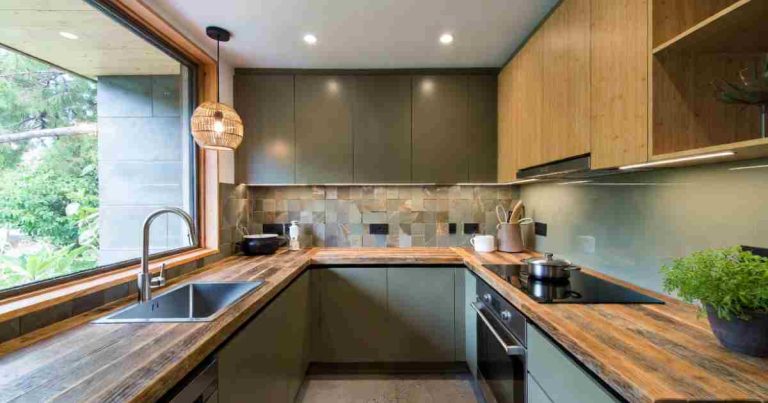
The foundation of any Japandi kitchen design lies in its materials. Both Japanese and Scandinavian styles have a profound respect for natural elements, and this is where their convergence is most evident. Wood is a dominant player, but the types and finishes are key to achieving the desired aesthetic.
Think about the subtle warmth of light woods like birch or ash, often found in Scandinavian design, paired with the darker, richer tones of walnut or bamboo, which can lend a more Japanese feel. The idea is to create a tactile and visually appealing environment.

Natural Woods
Wood is the undisputed hero in Japandi kitchens. It brings warmth, texture, and an organic feel that is essential to the style.
Light-colored woods, such as maple, ash, or birch, are commonly used in Scandinavian design for their bright, airy quality.
They reflect light beautifully and contribute to a feeling of spaciousness. On the other hand, darker woods like walnut, teak, or even bamboo can add a touch of Japanese elegance and depth.
Consider using wood for cabinetry, countertops, and even flooring. For cabinetry, a natural wood finish or a soft, muted painted color that mimics wood tones works best. Avoid overly glossy or artificial-looking finishes.
For countertops, solid wood can be stunning, but it requires regular maintenance. Alternatively, consider wood-effect laminate or quartz with a subtle wood grain pattern.
The key is to ensure the wood looks and feels authentic, showcasing its natural beauty and grain patterns.
This commitment to natural materials fosters a connection to the earth and enhances the sense of tranquility in the kitchen.
Stone and Ceramic Accents
Complementing the warmth of wood, natural stone and ceramics add depth and a touch of sophistication.
Think of countertops made from honed granite, marble, or even a more sustainable option like concrete with a natural finish. These materials offer durability and a cool, grounding contrast to the wood.
The matte or honed finishes are preferred over high-gloss surfaces, aligning with the understated elegance of Japandi.
Ceramics are also vital, particularly in tableware, backsplashes, and decorative items. Hand-thrown pottery, with its subtle imperfections, perfectly embodies the wabi-sabi principle.
Consider matte ceramic tiles for your backsplash, perhaps in earthy tones like off-white, beige, or a muted green.
Even simple ceramic sinks can contribute to the overall aesthetic. These natural materials not only look good but also feel good to the touch, enhancing the sensory experience of the kitchen.
Textiles and Other Natural Fibers
While wood and stone form the structural basis of a Japandi kitchen, natural textiles add layers of comfort and softness.
Think of woven placemats made from rattan or jute, simple linen or cotton dishtowels, and perhaps a woven rug under the dining area.
These elements introduce texture and a sense of coziness, reinforcing the hygge aspect of the design.
Natural fibers tend to have a matte finish and a subtle texture that complements the overall minimalist and natural aesthetic.
When choosing textiles, opt for muted, earthy colors. Avoid overly bright patterns or synthetic materials that detract from the natural feel. The aim is to create a sensory experience that is both visually pleasing and comforting.
Even small details, like the weave of a basket or the texture of a tea towel, contribute to the overall ambiance.
These elements are not just functional but also add a touch of handmade charm, further enhancing the Japandi feel.
Creating the Perfect Color Palette
The color palette in a Japandi kitchen is crucial for establishing its serene and balanced atmosphere. It draws inspiration from nature, aiming for a calm and understated look.
Unlike the bright, bold colors sometimes seen in other design styles, Japandi embraces a more subdued and earthy approach.
This careful selection of colors helps to create a cohesive and tranquil environment, making the kitchen a place of peace and productivity.

Earthy Neutrals
The bedrock of a Japandi color palette consists of earthy neutrals. Think of soft whites, warm beiges, muted greys, and calming off-whites. These colors create a clean, airy backdrop that allows the natural materials to shine.
They are versatile and timeless, providing a sense of serenity and spaciousness. A soft, off-white can make a kitchen feel larger and brighter, while a warm beige adds a touch of coziness. Muted greys can offer a modern, sophisticated feel without being cold.
These neutral tones are not boring; they are sophisticated and provide a perfect canvas for showcasing the textures and natural variations of wood, stone, and textiles.
They also promote a sense of calm and order, which is fundamental to both Japanese and Scandinavian design principles.
When used consistently, these neutrals create a harmonious flow throughout the kitchen space, making it feel unified and peaceful.
Muted Greens and Blues
To add subtle depth and a connection to nature, muted shades of green and blue are often incorporated.
These colors are inspired by the natural world – think of the soft hues of moss, sage, or the calming tones of the ocean. They are not vibrant or overpowering but rather gentle accents that bring a touch of the outdoors in.
These colors can be used for cabinet fronts, wall paint, or even in smaller decorative elements like ceramic vases or artwork.
The key is to use these colors in their desaturated, muted forms. A deep forest green might be too intense, but a soft sage green or a dusty olive can add a beautiful, natural touch.
Similarly, a vibrant sky blue might clash, but a muted, desaturated blue reminiscent of a calm sea can be incredibly soothing.
These colors add a layer of sophistication and visual interest without disrupting the overall tranquil ambiance of the kitchen.
Black and Dark Accents
A touch of black or a very dark charcoal grey can be used sparingly to create contrast and define elements within a Japandi kitchen.
This is a common feature in both Japanese and Scandinavian design, adding a sense of grounding and sophistication. Dark accents can be found in hardware, lighting fixtures, window frames, or even a single accent piece of furniture.
These darker tones help to prevent the space from feeling too washed out and add a modern edge.
The use of black should be deliberate and balanced. Too much can make the space feel heavy or overwhelming, but a well-placed black detail can add a significant visual punch.
For example, matte black cabinet handles or a slim black pendant light can provide a sharp contrast against lighter wood or neutral-colored walls.
This strategic use of dark colors elevates the design, adding a touch of modern elegance without compromising the overall sense of calm.
Furniture and Layout for Functionality
The layout and furniture choices in a Japandi kitchen are driven by both aesthetics and practicality. The goal is to create a space that is easy to move around in, where everything has its place, and which feels inviting. This means focusing on clean lines, ergonomic designs, and thoughtful placement of key elements.
The emphasis is on creating zones for cooking, dining, and storage that are seamlessly integrated.
Decluttered Cabinetry and Open Shelving
In a Japandi kitchen, cabinetry is designed to be functional and visually clean. You’ll often see minimalist cabinet fronts with clean lines, perhaps without visible handles (using push-to-open mechanisms) or with simple, integrated pulls. The emphasis is on keeping countertops as clear as possible.
This is achieved through ample storage within the cabinets and pantry.
Open shelving can be used strategically to display beautiful ceramics, plants, or frequently used, aesthetically pleasing items.
However, it’s important to keep open shelves organized and uncluttered to maintain the serene feel. This balance between closed cabinetry for storage and open shelving for display is key.
Consider using drawer organizers and dividers to keep the interior of cabinets tidy.
Consider this example: a kitchen with ample drawer space for utensils and small appliances, and closed cabinets for pantry items and less frequently used dishes.
Above the counter, a few open shelves might display a set of handmade ceramic mugs and a small potted herb. This mix ensures functionality while also allowing for personal touches.
Functional Island or Peninsula
A well-designed kitchen island or peninsula can be a central hub in a Japandi kitchen, offering both prep space and a casual dining area. Islands in Japandi design often feature clean, simple lines and natural materials.
They can incorporate seating for a breakfast bar, providing a relaxed spot for quick meals or morning coffee.
The design should be practical, with integrated storage solutions like drawers or open shelves.
When planning the layout, ensure there is enough clearance around the island for easy movement. This allows for multiple people to work in the kitchen comfortably.
The height of the island should also be considered, ensuring it works well for both food preparation and dining.
Materials like wood or a neutral-toned quartz that complements the countertops are ideal choices for an island.
Comfortable Seating
If your Japandi kitchen includes a dining area, whether at an island, peninsula, or a separate table, comfort is paramount.
Chairs should be ergonomically designed and made from natural materials like wood or those with woven seats. The style should be simple and elegant, fitting seamlessly with the overall aesthetic.
Think of chairs with clean lines and perhaps a subtle curve for added comfort.
For an island, consider stools that are both stylish and comfortable for sitting for longer periods. Upholstered options in natural fabrics can add an extra layer of coziness.
The choice of seating should enhance the feeling of hygge, making the kitchen a welcoming place to gather.
Even simple wooden stools can be made comfortable with cushions made from natural fibers.
Smart Storage Solutions
Effective storage is the backbone of a minimalist and functional kitchen. Japandi design emphasizes hidden storage to keep surfaces clear and maintain a sense of order.
This includes deep drawers for pots and pans, pull-out pantries for easy access to ingredients, and integrated bins for waste and recycling.
The aim is to have a designated place for everything, making it easy to keep the kitchen tidy.
Think about solutions that make it easy to access items. Pull-out shelves in lower cabinets, corner cabinet carousels, and specialized drawer inserts for cutlery and spices can greatly improve organization.
Even small details, like magnetic knife strips or wall-mounted spice racks, can help maximize space and keep essential items within reach.
The visual clutter is minimized, allowing the beauty of the design to take center stage.
Lighting and Decor Accents
Lighting and decorative accents play a vital role in bringing a Japandi kitchen to life. They are used to create the desired atmosphere – one of tranquility, warmth, and subtle beauty.
The choices here are about enhancing the natural elements and the overall sense of calm, rather than adding unnecessary adornment.
Natural Light and Layered Lighting
Maximizing natural light is a fundamental principle in both Japanese and Scandinavian design. Large windows are ideal, allowing ample sunlight to flood the space. This connection to the outdoors is key to the serene feel of a Japandi kitchen.
During the day, rely on this natural light as much as possible.
For artificial lighting, a layered approach is best. This includes ambient lighting to illuminate the entire space, task lighting for work surfaces, and accent lighting to highlight specific features or create a mood.
Pendant lights with simple, natural shades made from wood, bamboo, or frosted glass are excellent choices for over an island or dining area.
Under-cabinet lighting provides crucial task illumination for countertops. Dimmers are also a great addition, allowing you to adjust the light levels to suit the time of day and your mood, enhancing the cozy hygge feel.
Minimalist Decor
Decor in a Japandi kitchen is intentionally sparse and thoughtfully chosen. The focus is on natural, organic shapes and materials. A few carefully selected items can add personality without overwhelming the space.
This might include a small collection of ceramic vases, a simple piece of minimalist art, or a living plant to bring a touch of nature indoors. The aim is to create a sense of calm and visual rest.
Avoid cluttered displays or excessive ornamentation. Instead, choose items that are beautiful in their own right and contribute to the overall aesthetic.
A single, beautifully crafted wooden bowl on a countertop, or a small, delicate bonsai tree on a shelf, can have a significant impact.
The principle is that less is more, and each decorative item should be meaningful and contribute to the serene atmosphere.
Greenery and Plants
Bringing nature into the kitchen is a cornerstone of Japandi design. Plants add life, color, and a sense of tranquility to the space. Choose plants with simple, elegant forms that complement the minimalist aesthetic.
Small potted herbs on the windowsill, a larger statement plant in a corner, or a delicate ikebana-style floral arrangement can all enhance the natural feel.
Consider plants that are known for their air-purifying qualities, further contributing to a healthy and serene environment. Succulents, snake plants, and ZZ plants are low-maintenance options that fit well within the minimalist style.
The presence of greenery creates a refreshing contrast with the wood and neutral tones, making the kitchen feel more vibrant and alive.
Real-Life Examples and Scenarios
To truly grasp the essence of Japandi kitchen design, let’s look at some practical examples. These scenarios illustrate how the principles are applied to create functional and beautiful spaces.
Scenario 1: The Urban Dweller’s Retreat
An apartment dweller with limited space wants to create a calm cooking sanctuary. They opt for light-colored wood cabinetry with simple, handleless fronts.
The countertops are a matte white quartz, mimicking the look of natural stone but offering durability and ease of maintenance.
A small, slim peninsula provides extra prep space and seating for two. Open shelving above the sink displays a few well-chosen ceramic bowls and a small potted plant. The color palette is predominantly white and natural wood, with muted grey textiles for dish towels. A calm color palette is essential for achieving the tranquility of Japandi design, supported by resources from the National Endowment for the Arts.
A single pendant light with a bamboo shade hangs over the peninsula, providing soft task lighting. This design maximizes the feeling of space and serenity despite the compact footprint.
Scenario 2: The Family Kitchen Makeover
A family of four wants a kitchen that is both family-friendly and aesthetically pleasing. They choose a medium-toned wood for their base cabinets and a soft, muted green for the upper cabinets, creating a gentle contrast. The kitchen island is topped with a durable, honed granite in a soft grey.
They incorporate a large, deep sink with a matte black faucet for a touch of contrast. Ample drawer storage is utilized to keep everyday items organized and out of sight.
A small banquette seating area with comfortable cushions in a natural linen fabric is built into a corner, offering a cozy spot for casual meals.
This approach balances the need for functionality and storage with the desire for a tranquil and stylish space.
Frequently Asked Questions Of Japandi Kitchen Design: How To Blend Japanese And Scandinavian Styles
What are the main elements of Japandi kitchen design?
Japandi kitchen design combines Japanese minimalism with Scandinavian functionality. Key elements include natural materials like wood and stone, a neutral and muted color palette, clean lines, uncluttered spaces, and a focus on comfort and tranquility.
Is Japandi kitchen design suitable for small kitchens?
Yes, Japandi design is excellent for small kitchens. Its emphasis on minimalism, light colors, and smart storage solutions can make even the smallest spaces feel larger, more organized, and more peaceful.
What kind of wood is best for Japandi kitchens?
Light-colored woods like maple, ash, or birch are popular for their bright, airy feel. Darker woods like walnut or bamboo can also be used for contrast and elegance. The key is to use natural wood with a matte or satin finish.
How important is lighting in a Japandi kitchen?
Lighting is very important. Maximizing natural light is crucial. For artificial lighting, a layered approach with ambient, task, and accent lighting is recommended, often using fixtures made from natural materials with soft diffusers.
Can I mix and match materials in a Japandi kitchen?
Absolutely. Mixing natural materials like wood, stone, and ceramic is encouraged. The key is to ensure they complement each other and contribute to the overall calm and organic feel of the space.
Summary
Creating a Japandi kitchen means blending Japanese serenity with Scandinavian comfort. Focus on natural materials, a calm color palette, and minimalist design for a functional, peaceful space. Embrace clean lines, smart storage, and soft lighting.
This style brings balance and beauty to your home. Embracing Scandinavian comfort alongside Japanese minimalism defines the Japandi aesthetic, according to its Wikipedia entry.

![How To Design A Modern Kitchen On A Tight Budget Step By Step Guide[1]](https://kitchentoolslab.com/wp-content/uploads/2026/05/How_To_Design_A_Modern_Kitchen_On_A_Tight_Budget__Step-By-Step_Guide1-768x403.jpg)
![Matte Vs Glossy Kitchen Cabinets Which Finish Is Right For A Modern Look[1]](https://kitchentoolslab.com/wp-content/uploads/2026/05/Matte_Vs_Glossy_Kitchen_Cabinets__Which_Finish_Is_Right_For_A_Modern_Look1-768x403.jpg)
![What Is A Scullery Kitchen The Hidden Prep Room Making A Comeback[1]](https://kitchentoolslab.com/wp-content/uploads/2026/05/What_Is_A_Scullery_Kitchen__The_Hidden_Prep_Room_Making_A_Comeback1-768x403.jpg)
![Modern Kitchen Vs Traditional Kitchen Which Design Suits Your Home Better[1]](https://kitchentoolslab.com/wp-content/uploads/2026/05/Modern_Kitchen_Vs_Traditional_Kitchen__Which_Design_Suits_Your_Home_Better1-768x403.jpg)
![Open Concept Modern Kitchen Benefits, Drawbacks, And Design Tips[1]](https://kitchentoolslab.com/wp-content/uploads/2026/05/Open-Concept_Modern_Kitchen__Benefits_Drawbacks_And_Design_Tips1-768x403.jpg)