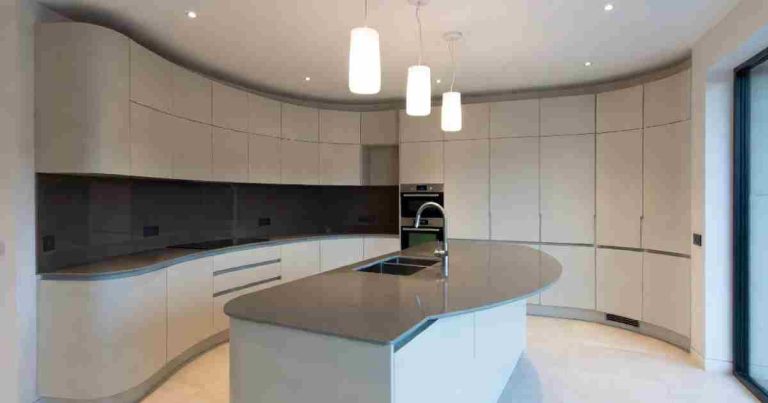
How Much Does A Modern Kitchen Remodel Cost? (2026 Budget Breakdown)
Picture this: you’re planning a kitchen remodel, excited about new countertops and a fresh look. But then the quotes start rolling in, and the reality hits.
It’s easy to feel overwhelmed by the numbers. This guide will break down the costs so you can plan your dream kitchen with confidence.
We’ll help you understand where your money goes, ensuring you get the best value and avoid sticker shock, which will keep you engaged and make you want to read more.
Key Takeaways
- The average cost of a modern kitchen remodel in 2026
- falls within a wide range, typically from $25,000 to $75,000 or more.
- Major cost drivers include cabinet replacement, countertop materials, appliance upgrades, and professional labor.
- DIY versus professional installation significantly impacts the total budget, with labor costs often being the largest single expense.
- Budgeting for unforeseen issues, such as plumbing or electrical problems, is crucial and can add 10-20% to the overall cost.
- Prioritizing needs versus wants is essential to stay within budget and achieve a functional, stylish modern kitchen.
Understanding the 2026 Kitchen Remodel Budget
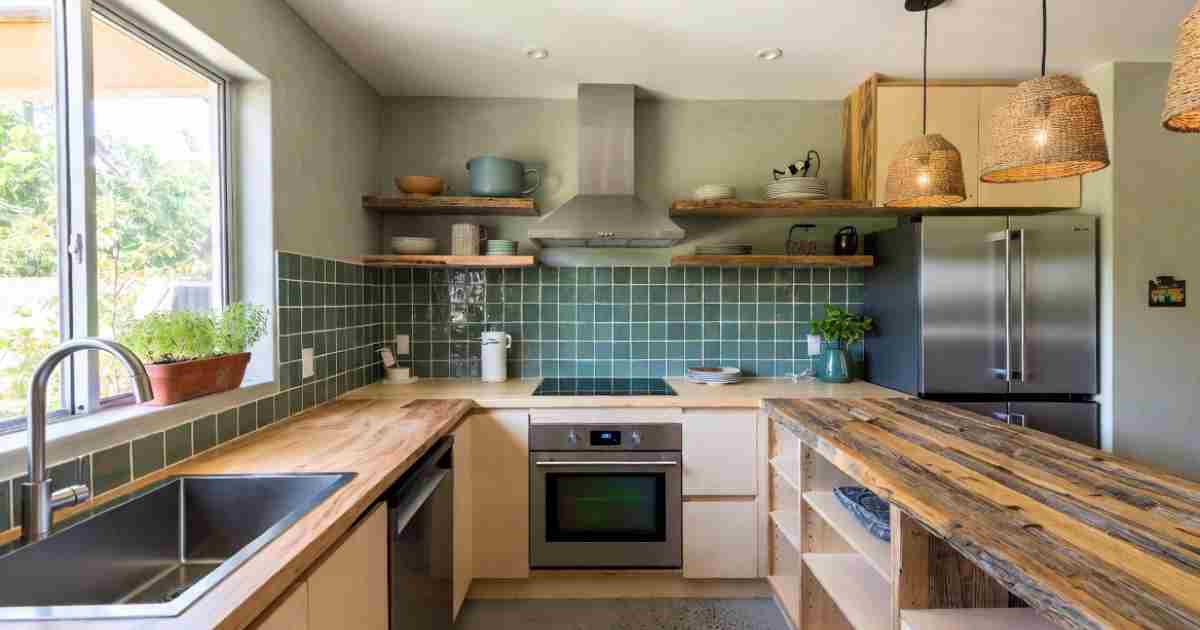
Planning a kitchen remodel in 2026 involves a careful look at current market trends and material costs. The price tag for a modern kitchen remodel can vary greatly depending on the size of your kitchen, the quality of materials you choose, and whether you hire professionals for the entire project or do some work yourself.
A complete overhaul, often referred to as a “gut renovation,” will naturally cost more than a cosmetic update.
It’s about transforming the space to be more functional, aesthetically pleasing, and up-to-date with current design styles.
This section will outline the general cost ranges you can expect. We’ll discuss the average figures and the factors that push those numbers up or down.
Understanding these basics is your first step to creating a realistic budget for your kitchen transformation.
Average Cost Ranges for a Modern Kitchen Remodel
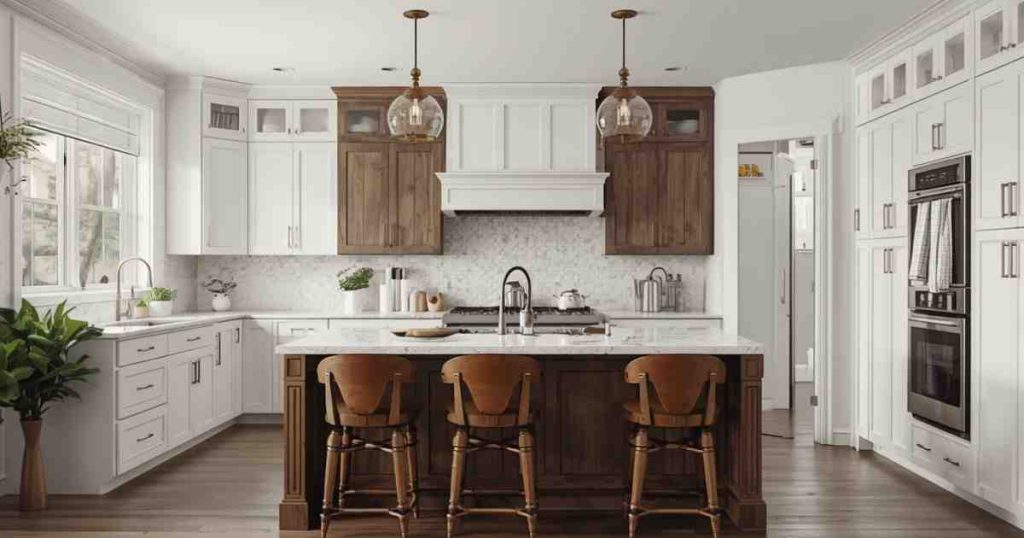
The total cost for a modern kitchen remodel in 2026 can span a broad spectrum. For a budget-friendly refresh, you might spend around $25,000 to $40,000. This usually involves refacing or painting existing cabinets, updating countertops with a mid-range material, and replacing a few key appliances. Moving into the mid-range, expect costs from $40,000 to $75,000.
This level typically includes new, custom or semi-custom cabinets, higher-quality countertops, a full suite of new appliances, and professional installation for most of the work.
For a high-end or luxury modern kitchen remodel, the budget can easily exceed $75,000 and go upwards of $150,000 or even more.
This tier involves premium materials, top-of-the-line custom cabinetry, professional design services, and the most advanced appliances.
It’s important to remember these are averages, and your specific project might fall outside these ranges based on your location and unique design choices.
- Budget Kitchen Refresh: Expect to spend between $25,000 and $40,000. This often involves cosmetic changes like new paint, updated hardware, and possibly new laminate countertops or a backsplash. Appliances might be replaced if they are old and inefficient, but not necessarily the highest-end models.
- Mid-Range Modern Kitchen: Costs typically range from $40,000 to $75,000. This tier allows for significant upgrades, including solid wood or high-quality engineered cabinets, granite or quartz countertops, a full set of stainless steel appliances, and professional labor for installation.
- High-End Luxury Kitchen: Budgets start at $75,000 and can climb well over $150,000. This includes premium materials like natural stone or exotic wood, custom-built cabinetry with all the modern features, professional-grade appliances, and potentially moving walls or reconfiguring the entire layout.
Factors Influencing Your Kitchen Remodel Cost
Several key elements directly impact how much your modern kitchen remodel will cost. The size of your kitchen is a primary factor; larger spaces naturally require more materials and labor. The scope of work is also critical.
Are you just updating the look, or are you completely reconfiguring the layout, moving plumbing, or changing electrical wiring? The materials you select for cabinets, countertops, flooring, and backsplashes play a huge role.
High-end materials like marble or custom hardwood will cost significantly more than laminate or standard ceramic tile.
Appliance choices are another major cost driver. A basic refrigerator and oven set will differ greatly in price from a professional-grade range with multiple ovens and smart features.
Finally, the choice between hiring a general contractor for an end-to-end service or managing different trades yourself will affect the overall expense. Professional labor, especially for complex tasks, is a significant investment.
The Core Components of Your Kitchen Remodel Budget
When you think about a kitchen remodel, certain items immediately come to mind. These are the core components that make up the bulk of your budget.
Understanding each of these will give you a clearer picture of where your money is going and where you might be able to make adjustments.
From the structure of your cabinets to the surface of your countertops, each decision has a financial impact.
This section will break down the most significant cost areas. We’ll explore cabinets, countertops, appliances, flooring, lighting, and plumbing and electrical work, explaining what you can expect to pay for each and what influences their price.
Cabinetry: The Heart of Your Kitchen Storage
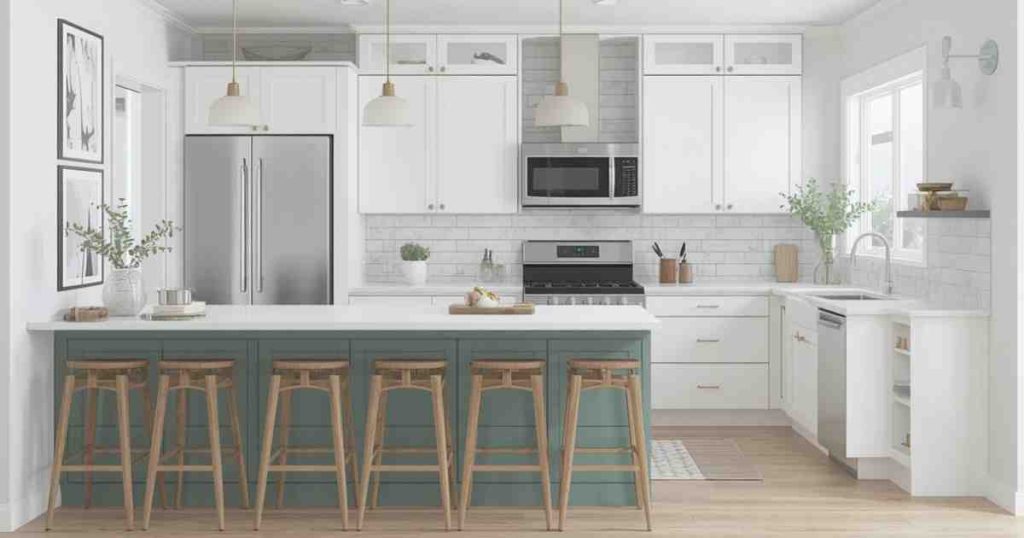
Cabinets are often the most expensive single item in a kitchen remodel, and for good reason. They provide essential storage, define the kitchen’s style, and are built to last for many years.
The price of cabinets depends on their construction, materials, and the level of customization. You can opt for stock cabinets, semi-custom options, or fully custom-built units, each with a distinct price point.
Types of Kitchen Cabinets and Their Costs
Stock cabinets are pre-made in standard sizes and are the most budget-friendly option. They offer less flexibility in terms of design and dimensions.
Semi-custom cabinets provide a wider range of styles, finishes, and sizes, allowing for more personalization.
They bridge the gap between affordability and custom design. Custom cabinets are built to your exact specifications, offering unlimited choices in style, material, and features, but they come with the highest price tag.
Stock Cabinets
Stock cabinets are manufactured in large quantities and offered in a limited selection of styles, finishes, and sizes.
They are designed to fit common kitchen layouts. Because they are mass-produced, they are the most economical choice.
Installation is generally straightforward. However, their lack of customization means you may need to compromise on fit or style. The price for stock cabinets can range from $100 to $300 per linear foot.
Semi-Custom Cabinets
Semi-custom cabinets offer more design flexibility than stock options. You can choose from a wider array of door styles, wood species, finishes, and interior accessories. They can also be made in non-standard widths, which helps them fit your space better.
This increased customization comes at a higher cost, typically ranging from $300 to $800 per linear foot. They provide a good balance for those who want more than stock but don’t need fully bespoke solutions.
Custom Cabinets
Custom cabinets are designed and built from scratch to meet your exact needs and aesthetic preferences. You have complete control over every aspect, from the wood type and finish to the hardware and internal organization.
This level of personalization offers the ultimate in style and function but is the most expensive option, with prices ranging from $800 to $1,500 or even more per linear foot.
They are ideal for unique kitchen layouts or for homeowners seeking a truly one-of-a-kind design.
Material and Finish Choices for Cabinets
The material and finish of your cabinets significantly affect their cost and appearance. Solid wood, such as maple, cherry, or oak, is a popular choice known for its durability and natural beauty, but it can be pricey.
Plywood and particleboard are often used for cabinet boxes, with solid wood veneers or laminates for the doors and drawer fronts. Finishes can range from simple painted surfaces to intricate stain colors and glazes.
- Solid Wood: Offers excellent durability and a premium look. Maple and oak are common choices, providing a strong grain pattern. Cherry offers a richer, darker hue. Solid wood cabinets can range from $500 to $1,200+ per linear foot depending on the wood species and complexity of the door style.
- Wood Veneers: Thin slices of real wood applied over a substrate like plywood or MDF. They offer the look of solid wood at a lower cost, typically $300 to $700 per linear foot. Veneers can be stained or painted.
- Laminate/Melamine: A durable and budget-friendly option. These materials are made from compressed wood fibers covered with a decorative paper or plastic film. They are resistant to moisture and stains. Prices usually range from $100 to $300 per linear foot, making them an excellent choice for cost-conscious remodels.
Countertops: Style Meets Surface
Countertops are another significant investment in your kitchen remodel. They need to be durable, easy to clean, and complement your kitchen’s overall design.
The material you choose will have a dramatic impact on both the look and the cost. From natural stones to engineered materials and budget-friendly laminates, there’s a wide array of options.
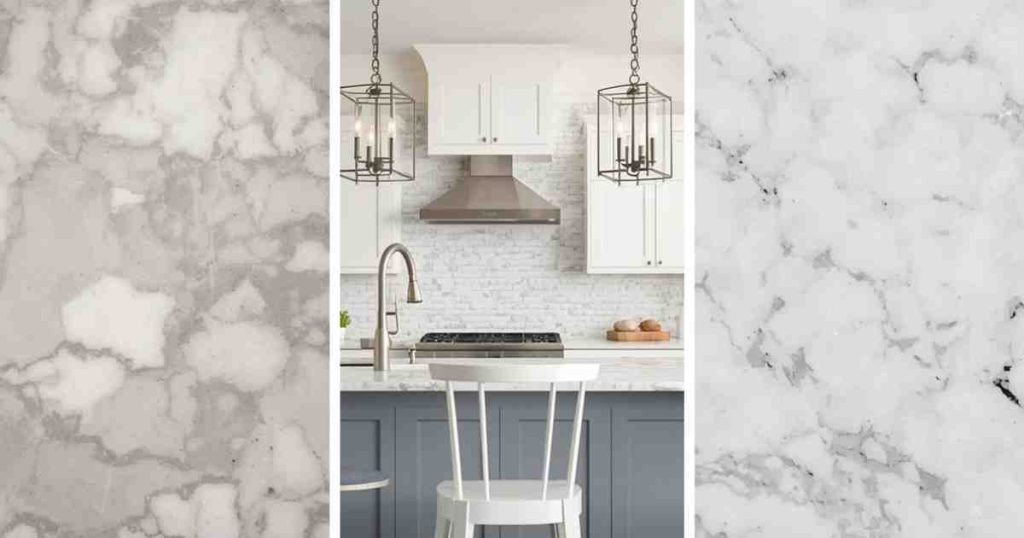
Popular Countertop Materials and Their Pricing
Granite and quartz are two of the most popular choices for modern kitchens due to their durability, beauty, and resistance to heat and scratches.
Marble offers a luxurious look but is softer and more prone to staining and etching, requiring more maintenance.
Laminate countertops are the most affordable option, offering a wide variety of patterns and colors but are less durable than stone. Butcher block adds warmth and a natural element but requires regular sealing.
Granite Countertops
Granite is a natural stone known for its unique patterns and durability. It is heat and scratch-resistant, making it a practical choice for busy kitchens. Prices for granite countertops typically range from $50 to $150 per square foot, installed.
The cost can vary based on the rarity of the granite pattern and the complexity of the installation, such as cutouts for sinks or islands.
Quartz Countertops
Quartz is an engineered stone made from crushed quartz crystals mixed with resin binders. It is non-porous, highly resistant to stains, scratches, and heat, and requires very little maintenance. Quartz is a popular choice for modern kitchens.
The installed price for quartz countertops is generally between $75 and $175 per square foot, with some premium brands or exotic colors costing more.
Marble Countertops
Marble offers a classic, elegant look with beautiful veining. However, it is a softer stone and more susceptible to etching from acidic foods and staining. It requires regular sealing and careful maintenance.
Marble countertops typically cost between $75 and $250 per square foot installed. Its beauty comes with a higher price and a need for more diligent care.
Laminate Countertops
Laminate countertops are a budget-friendly option made of layers of laminate bonded to a substrate. They come in a vast array of colors and patterns, mimicking the look of natural stone or wood. While less durable and heat-resistant than stone, they are easy to clean and maintain.
Installed prices range from $20 to $70 per square foot, making them an excellent choice for cost-conscious remodels.
Countertop Installation and Edge Profiles
Beyond the material itself, the installation process and the chosen edge profile will also affect the final cost. Simple edge profiles like a straight or eased edge are usually included in the material price.
More elaborate profiles, such as a bullnose, ogee, or waterfall edge, add to the labor cost. The complexity of the kitchen layout, the number of seams required, and the need for specialized tools for certain materials will also factor into installation expenses.
- Edge Profiles: Simple edges like straight or eased are standard. Decorative edges like bullnose, half-bullnose, ogee, or waterfall add to the labor cost. These can add $5 to $30 per linear foot to the total price.
- Seams: The number and placement of seams in your countertops depend on the size of your slabs and kitchen layout. Minimizing seams often requires larger, more expensive slabs and can increase installation complexity.
- Cutouts: Sinks, faucets, and cooktops require cutouts. The complexity of these cutouts, especially for undermount sinks or integrated cooktops, can add to the labor cost.
Appliances: Functionality and Modern Features
New appliances can significantly elevate the look and functionality of your modern kitchen. When budgeting, consider not just the purchase price but also the energy efficiency, features, and the installation costs. High-end appliances can be a major investment, but they often come with improved performance and longevity.
Essential Kitchen Appliances and Their Cost Spectrum
The main appliances typically included in a remodel are a refrigerator, range (or separate cooktop and oven), dishwasher, and microwave.
You might also consider a range hood or other ventilation system. The price range for these can vary widely based on brand, features, and capacity.
Refrigerators
Refrigerators range from basic top-freezer models to sophisticated French door or side-by-side units with water dispensers, ice makers, and smart features.
Basic models can cost $600 to $1,200, while high-end smart refrigerators with advanced features can cost $2,500 to $7,000 or more.
Ranges and Cooktops/Ovens
A freestanding range combines a cooktop and oven. You can also opt for separate cooktops and wall ovens for a more custom look. Gas, electric, and induction options are available.
Basic electric ranges start around $700 to $1,500. Professional-grade ranges or separate cooktop and oven combinations can cost $3,000 to $10,000+.
Dishwashers
Dishwashers offer a range of cycles, noise levels, and finishes. Basic models are around $400 to $700. More advanced models with quiet operation, third racks, and smart connectivity can cost $800 to $1,500 or more.
Microwaves
Microwaves can be countertop models, over-the-range units with ventilation, or built-in drawer or wall units. Countertop models start at $100 to $300. Over-the-range and built-in options typically range from $300 to $1,000+.
Energy Efficiency and Smart Appliance Technology
Modern appliances are increasingly focused on energy efficiency, which can save you money on utility bills over time.
Look for the ENERGY STAR label, which indicates that an appliance meets strict energy efficiency guidelines set by the Environmental Protection Agency.
Smart appliance technology is also becoming more prevalent, allowing you to control your appliances remotely via smartphone apps, receive notifications, and even diagnose issues. While smart features often come at a premium price, they can offer convenience and enhanced control.
- ENERGY STAR Certified Appliances: These appliances use less energy and water, leading to lower utility bills. For example, an ENERGY STAR certified refrigerator can use 9% less energy than a standard model. The initial cost might be slightly higher, but the long-term savings are significant.
- Smart Appliance Features: Include Wi-Fi connectivity, remote control via apps, voice commands, and diagnostic alerts. A smart refrigerator might allow you to check its contents from the grocery store or adjust temperature settings remotely. These features add convenience and can cost an additional 10-20% over non-smart models.
- Installation and Hookups: Beyond the appliance cost, factor in the expense of professional installation, especially for gas lines, complex electrical wiring, or integrated units. This can add $100 to $500 per appliance.
Flooring, Lighting, and Fixtures: The Finishing Touches
Flooring, lighting, and plumbing fixtures are the elements that complete the look and feel of your modern kitchen.
While they might seem like smaller components, they can add up quickly and have a significant impact on the overall aesthetic and functionality. Choosing the right options can enhance the space without breaking the bank.
Flooring Options for Modern Kitchens
The best flooring for a kitchen needs to be durable, water-resistant, and easy to clean. Popular choices include luxury vinyl plank (LVP), ceramic or porcelain tile, and hardwood (though it requires more care in a kitchen setting). Each material has its own price point and aesthetic appeal.
Luxury Vinyl Plank (LVP)
LVP is a highly popular choice for kitchens due to its waterproof nature, durability, and wide range of design options that can mimic wood or stone.
It’s also comfortable underfoot. The cost for LVP flooring typically ranges from $2 to $7 per square foot for materials, with installation adding another $3 to $7 per square foot.
Ceramic and Porcelain Tile
Tile is a classic kitchen flooring choice known for its durability and water resistance. Porcelain tile is denser and less porous than ceramic, making it more durable and suitable for high-traffic areas.
Costs for ceramic tile can range from $1 to $5 per square foot for materials, while porcelain tile is typically $3 to $10 per square foot.
Installation adds $5 to $10 per square foot.
Hardwood Flooring
While beautiful, hardwood flooring requires more care in a kitchen due to its susceptibility to moisture and scratches.
If you choose hardwood, opt for durable species like oak or maple and consider a high-quality finish. Material costs range from $5 to $15 per square foot, with installation adding another $5 to $10 per square foot.
Engineered hardwood is often a more stable option for kitchens.
Lighting Design and Fixture Costs
Good lighting is essential for both task performance and ambiance in a kitchen. A layered lighting approach, including ambient (overall illumination), task (focused light for work areas), and accent lighting (to highlight features), is ideal for a modern kitchen. The types of fixtures you choose will influence the cost.
- Ambient Lighting: Typically provided by overhead fixtures like recessed lighting or pendant lights. Recessed lighting can cost $100 to $300 per fixture installed. Pendant lights vary widely, from $50 to $500+ each depending on style and material.
- Task Lighting: Under-cabinet lighting is crucial for food preparation. LED strip lights are a popular and energy-efficient choice, costing about $50 to $200 for a typical kitchen installation.
- Accent Lighting: Can include small spotlights or in-cabinet lighting to showcase decorative items. These are often lower-cost additions, ranging from $20 to $100 per fixture.
Plumbing Fixtures: Faucets and Sinks
Your kitchen sink and faucet are daily workhorses. Durability, style, and functionality are key considerations. Stainless steel sinks are a popular choice for their durability and affordability, while composite or fireclay sinks offer a more modern aesthetic. Faucet styles range from sleek pull-down models to classic bridge faucets.
Sinks
Stainless steel sinks are common, with prices ranging from $150 to $500 for a basic model. Undermount stainless steel sinks can cost $300 to $800+. Composite sinks or fireclay sinks offer a more premium look and can cost $400 to $1,000+.
Faucets
Faucet prices vary significantly based on brand, material, and features. Basic chrome faucets can be found for $100 to $200. High-end finishes, pull-down sprayers, and touchless technology can push prices to $300 to $700 or more.
Labor Costs and Professional Services
Professional labor often constitutes the largest portion of a kitchen remodel budget. Hiring skilled tradespeople ensures the work is done correctly, safely, and to code.
The cost of labor will depend on your location, the complexity of the project, and the professionals you hire.
The Role of General Contractors and Tradespeople
A general contractor (GC) manages the entire remodel project, coordinating all the tradespeople involved, such as plumbers, electricians, carpenters, and tilers.
Hiring a GC simplifies the process for you, but they will add a percentage (typically 10-20%) to the total project cost for their services.
If you choose to manage the project yourself, you’ll need to hire and schedule individual tradespeople, which requires more time and expertise.
General Contractor Fees
General contractors typically charge a percentage of the total project cost for their services. This fee covers their project management, scheduling, and oversight. Expect to pay around 10% to 20% of the overall remodel budget for a GC’s services.
For a $50,000 remodel, this could be $5,000 to $10,000.
Individual Trade Costs
The cost of individual tradespeople varies. For example, a plumber might charge $75 to $150 per hour, and an electrician could charge $60 to $120 per hour. The total cost will depend on the amount of work required.
Simple tasks like installing a new faucet might take a few hours, while more complex jobs like rerouting plumbing can take days.
DIY vs. Professional Installation
Deciding how much work you’ll do yourself can significantly impact your budget. While DIY can save money on labor, it requires time, skill, and the right tools.
For complex tasks like electrical wiring, plumbing, or structural changes, professional installation is highly recommended for safety and to avoid costly mistakes.
Many homeowners opt for a hybrid approach, handling tasks like painting or simple cabinet hardware installation themselves while hiring professionals for critical installations.
- DIY Savings: Taking on tasks like painting, removing old cabinets, or installing cabinet hardware can save you 10-30% on labor costs. However, ensure you have the necessary skills and time commitment.
- Professional Expertise: For tasks like electrical work, plumbing, or tile installation, professional help ensures quality and safety. This is often where the majority of labor costs lie.
- Risk of Errors: Incorrect DIY installations can lead to costly repairs and safety hazards, potentially negating any savings. It’s wise to consult with professionals even if you plan to do some work yourself.
Additional Costs to Consider
Beyond the main components of your kitchen remodel, there are other expenses that can arise. It’s crucial to factor these in to avoid budget surprises. These often include demolition, permits, and contingency funds.
Demolition and Disposal
Before the new kitchen can be installed, the old one must be removed. This demolition process involves tearing out cabinets, countertops, flooring, and potentially even walls.
The cost of demolition and disposal can range from $500 to $3,000 or more, depending on the size of the kitchen and how much needs to be removed. This also includes the cost of dumpster rental and waste disposal fees.Permits and Inspections
Most significant kitchen remodels require building permits from your local municipality. These permits ensure that the work being done meets safety codes and regulations.
The cost of permits varies by location but can range from a few hundred to over a thousand dollars. Inspections are also required at various stages of the remodel to verify compliance.
Contingency Fund: The Budget Safety Net
It’s almost a given that unforeseen issues will arise during a kitchen remodel. These can include discovering rot behind walls, outdated electrical wiring that needs upgrading, or plumbing problems.
It is highly recommended to set aside a contingency fund, typically 10-20% of your total budget, to cover these unexpected expenses. This buffer will prevent stress and allow the project to continue smoothly.
A recent survey indicated that 85% of homeowners experienced unexpected costs during their home renovations. The average overage was around 15% of their initial budget.
Sample Kitchen Remodel Budgets (2026 Estimates)
To give you a clearer picture, here are some sample budget breakdowns for different types of modern kitchen remodels. These are estimates and can fluctuate based on your specific choices and location.
Sample Budget: Modest Kitchen Refresh ($35,000)
This budget is for a smaller kitchen or one that requires fewer structural changes.
Cabinets: $10,000 (Stock or semi-custom, refacing existing)
Countertops: $3,000 (Laminate or basic granite/quartz)
Appliances: $7,000 (Mid-range stainless steel suite)
Flooring: $2,000 (Luxury vinyl plank)
Lighting & Fixtures: $2,000 (Basic pendants, under-cabinet LEDs, new faucet/sink)
Labor (General Contractor & Trades): $8,000
Permits & Demolition: $1,500
Contingency (10%): $3,500
Sample Budget: Mid-Range Modern Kitchen ($60,000)
This budget allows for more customization and higher-quality materials.
Cabinets: $20,000 (Semi-custom or some custom elements)
Countertops: $7,000 (Mid-grade granite or quartz)
Appliances: $10,000 (Good quality stainless steel suite)
Flooring: $3,000 (Porcelain tile or higher-end LVP)
Lighting & Fixtures: $3,000 (Stylish pendants, recessed lighting, upgraded sink/faucet)
Labor (General Contractor & Trades): $12,000
Permits & Demolition: $2,500
Contingency (10%): $6,000
Sample Budget: High-End Luxury Kitchen ($120,000+)
This budget is for a large kitchen with premium materials and custom features. According to government construction spending data, kitchen remodels typically recoup 60-80% of costs at resale.
Cabinets: $40,000+ (Fully custom, high-end materials)
Countertops: $15,000+ (Premium natural stone, exotic quartz)
Appliances: $20,000+ (Professional-grade, smart appliances)
Flooring: $5,000+ (High-end tile, premium hardwood)
Lighting & Fixtures: $5,000+ (Designer fixtures, smart lighting systems)
Labor (General Contractor & Trades): $25,000+
Permits & Demolition: $5,000+
Contingency (15%): $18,000+
Frequently Asked Questions Of How Much Does A Modern Kitchen Remodel Cost? (2026 Budget Breakdown)
What is the average cost of a modern kitchen remodel in 2026?
The average cost for a modern kitchen remodel in 2026 can range significantly, typically from $25,000 for a basic refresh to $75,000 or more for a mid-range to high-end renovation.
Are kitchen cabinet costs included in the main remodel budget?
Yes, kitchen cabinets are usually the most significant single expense in a remodel, often accounting for 25-40% of the total budget.
How much should I budget for appliances in a kitchen remodel?
Appliances typically make up 10-20% of the total remodel budget, with costs varying greatly based on brand, type, and features.
Is it necessary to hire a general contractor?
While not strictly necessary, a general contractor can streamline the process and manage trades, but their services add 10-20% to the total cost.
How much should I set aside for unexpected expenses in a kitchen remodel?
It is recommended to have a contingency fund of 10-20% of your total budget to cover unforeseen issues that may arise during the renovation.
Wrap Up
The cost of a modern kitchen remodel in 2026 is a significant investment. A typical range is $25,000 to $75,000, with high-end projects exceeding this. A general home renovation price guide can offer additional context for your kitchen remodel budget.
Key costs include cabinets, countertops, appliances, and labor. Planning wisely, prioritizing needs, and budgeting for surprises will help you achieve your dream kitchen. Understanding typical kitchen remodeling costs can help you set a realistic budget for your project.

![How To Design A Modern Kitchen On A Tight Budget Step By Step Guide[1]](https://kitchentoolslab.com/wp-content/uploads/2026/05/How_To_Design_A_Modern_Kitchen_On_A_Tight_Budget__Step-By-Step_Guide1-768x403.jpg)
![What Is A Modern Kitchen Definition, Key Features And Design Principles Explained[1]](https://kitchentoolslab.com/wp-content/uploads/2026/05/What_Is_A_Modern_Kitchen__Definition_Key_Features_And_Design_Principles_Explained1-768x403.jpg)
![Japandi Kitchen Design How To Blend Japanese And Scandinavian Styles[1]](https://kitchentoolslab.com/wp-content/uploads/2026/05/Japandi_Kitchen_Design__How_To_Blend_Japanese_And_Scandinavian_Styles1-768x403.jpg)
![Matte Vs Glossy Kitchen Cabinets Which Finish Is Right For A Modern Look[1]](https://kitchentoolslab.com/wp-content/uploads/2026/05/Matte_Vs_Glossy_Kitchen_Cabinets__Which_Finish_Is_Right_For_A_Modern_Look1-768x403.jpg)
![Open Concept Modern Kitchen Benefits, Drawbacks, And Design Tips[1]](https://kitchentoolslab.com/wp-content/uploads/2026/05/Open-Concept_Modern_Kitchen__Benefits_Drawbacks_And_Design_Tips1-768x403.jpg)