Modern Kitchen Vs Traditional Kitchen: Which Design Suits Your Home Better?
Tired of that cramped, dark kitchen that feels more like a storage closet than a hub of activity? You might be dreaming of a brighter, more open space for family meals and entertaining.
Tired of that cramped, dark kitchen that feels more like a storage closet than a hub of activity?
Choosing the right kitchen design is a big decision, and it can be tough to know where to start. This article will help you understand the core differences between a Modern Kitchen vs Traditional Kitchen: Which Design Suits Your Home Better?
By the end, you’ll know which style fits your lifestyle, helping you create a space you’ll love, which will keep you engaged and reduce the chances you’ll click away too soon.
Key Takeaways
- Understand the defining characteristics of modern kitchen designs.
- Learn about the common features and appeal of traditional kitchens.
- Identify how to choose a kitchen style that matches your personal taste and home architecture.
- Discover how materials and finishes play a role in differentiating modern and traditional kitchens.
- Recognize the functional and aesthetic benefits each style offers.
![Modern Kitchen Vs Traditional Kitchen Which Design Suits Your Home Better[1]](https://kitchentoolslab.com/wp-content/uploads/2026/05/Modern_Kitchen_Vs_Traditional_Kitchen__Which_Design_Suits_Your_Home_Better1.jpg)
Exploring Modern Kitchen Design
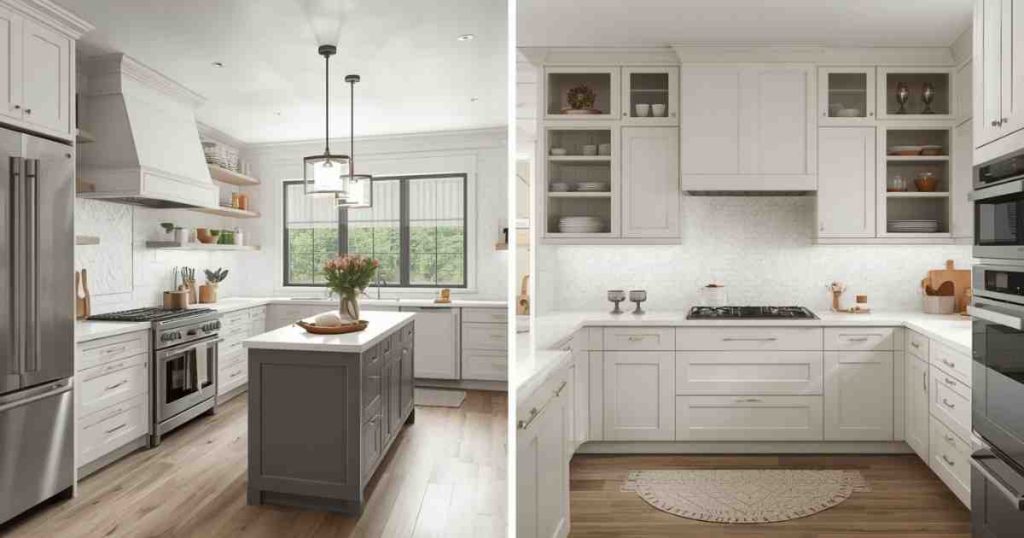
Modern kitchens are all about clean lines, sleek surfaces, and a minimalist aesthetic. They aim for a streamlined look that feels open and uncluttered. This style often uses neutral colors and focuses on functionality.
Modern kitchens are all about clean lines, sleek surfaces, and a minimalist aesthetic.
Modern kitchens are all about clean lines, sleek surfaces, and a minimalist aesthetic.
Modern kitchens are all about clean lines, sleek surfaces, and a minimalist aesthetic.
Think of flat-panel cabinets, integrated appliances, and geometric shapes. The goal is a space that is both stylish and highly practical for everyday life.
Key Features of Modern Kitchens
Modern kitchens emphasize simplicity and order. They avoid ornate details and focus on smooth, uninterrupted surfaces. This creates a sense of spaciousness and elegance.
- Sleek Cabinetry: Cabinet doors are typically flat-fronted, often with handleless designs or minimalist hardware. This creates a seamless look.
- Minimalist Decor: Decorations are kept to a minimum. The focus is on the beauty of the materials and the layout itself.
- Open Layouts: Modern designs often incorporate open-plan living, connecting the kitchen to dining or living areas. This makes the space feel larger and more social.
- Integrated Appliances: Appliances are often built-in and concealed behind cabinet panels, contributing to the clean, uniform look.
Materials and Finishes in Modern Kitchens
The choice of materials is key to achieving a modern kitchen‘s signature look. Smooth, polished surfaces are favored. This enhances the feeling of cleanliness and sophistication.
Traditional kitchens evoke a sense of warmth, comfort, and timeless elegance.
- Countertops: Materials like quartz, granite, or concrete are popular for their durability and smooth finishes. They often come in solid colors or with subtle veining.
- Cabinet Finishes: High-gloss lacquers, matte finishes, or natural wood veneers are common. These materials are chosen for their modern appeal and easy maintenance.
- Flooring: Large format tiles, polished concrete, or sleek laminate flooring are frequently used. They provide a continuous, unadorned surface.
Understanding Traditional Kitchen Design
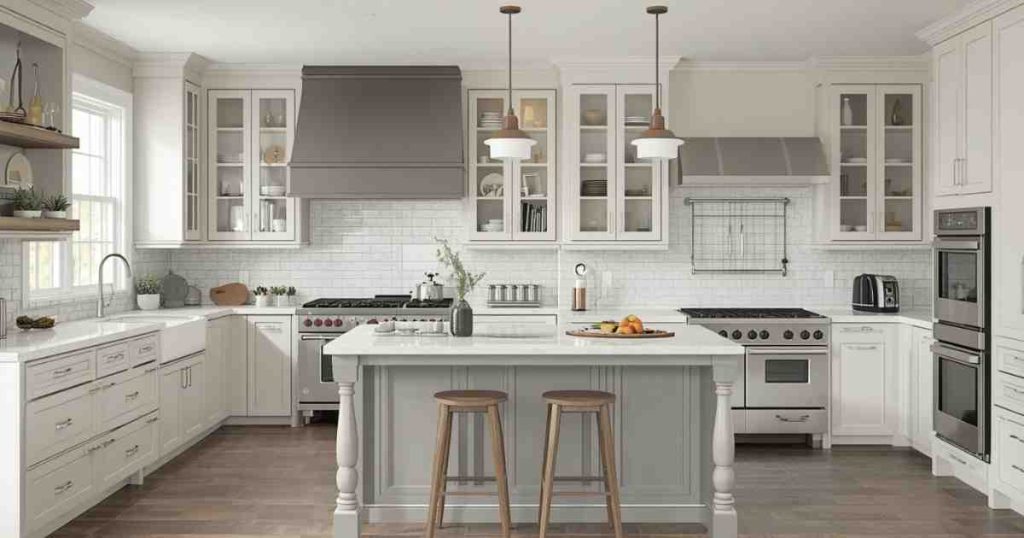
Traditional kitchens evoke a sense of warmth, comfort, and timeless elegance. They draw inspiration from classic styles, often featuring intricate details and natural materials. These kitchens feel inviting and often have a more lived-in charm.
Hallmarks of Traditional Kitchens
Traditional kitchens are characterized by their classic design elements and attention to detail. They often feel more ornate and decorative than their modern counterparts.
- Detailed Cabinetry: Cabinet doors often feature raised panels or decorative moldings. These add visual interest and a classic feel.
- Warm Color Palettes: Rich wood tones, creams, whites, and softer blues or greens are common. These colors create a cozy atmosphere.
- Decorative Hardware: Knobs and pulls are often ornate, made from materials like brass, bronze, or ceramic. They serve as functional art.
- Architectural Details: Features like corbels, crown molding, and decorative range hoods add character and a sense of established style.
Materials and Finishes in Traditional Kitchens
Materials in traditional kitchens tend to be warmer and more natural. They contribute to the inviting and timeless appeal of the space.
- Countertops: Natural stone like granite or marble is popular, often with polished or slightly honed finishes. Butcher block is also a frequent choice for its rustic charm.
- Cabinet Finishes: Stained wood, painted finishes in classic colors, or distressed looks are common. These finishes highlight the wood grain or add character.
- Flooring: Hardwood floors, ceramic tiles with intricate patterns, or natural stone tiles are often selected. These materials add warmth and texture.
Modern Kitchen vs Traditional Kitchen: A Direct Comparison
When deciding between a modern and traditional kitchen, understanding their core differences is essential.
This comparison highlights how each style approaches design elements. It helps in visualizing which aesthetic aligns better with your home and lifestyle.
Layout and Flow
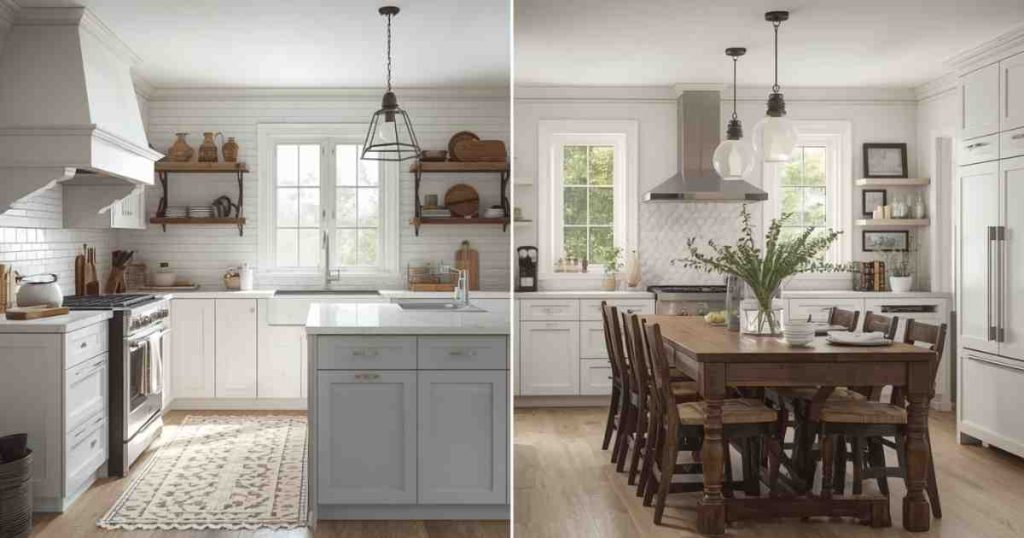
Modern kitchens often prioritize open-plan living. This connects the kitchen seamlessly with other areas of the home.
Traditional kitchens may have more defined spaces, creating distinct zones for cooking, dining, and gathering.
- Modern: Open concepts, island workspaces, and clear pathways. This encourages interaction and makes the space feel expansive.
- Traditional: May feature a more enclosed layout, with a distinct kitchen area. This can offer a sense of cozy privacy.
Aesthetics and Atmosphere
The overall feel of each kitchen type is vastly different. Modern kitchens are sleek and sophisticated, while traditional kitchens are warm and inviting.
| Feature | Modern Kitchen | Traditional Kitchen |
|---|---|---|
| Lines | Clean, straight, geometric | Curved, ornate, detailed |
| Color Palette | Neutrals, monochromatic, bold accents | Warm tones, earthy colors, pastels |
| Materials | Metal, glass, concrete, high-gloss finishes | Wood, natural stone, ceramic, matte finishes |
| Atmosphere | Chic, airy, minimalist, functional | Cozy, inviting, timeless, charming |
Functionality and Technology
Modern kitchens are designed with cutting-edge functionality in mind. They often incorporate smart home technology and highly efficient appliances.
Traditional kitchens focus on practical, time-tested solutions that create a comfortable cooking environment.
- Modern: Emphasis on efficient workflow, integrated smart appliances, and hidden storage solutions. Everything is designed to be easily accessible and out of sight when not in use.
- Traditional: Focus on well-designed workspaces and durable, reliable appliances. The layout prioritizes ease of use for everyday cooking tasks.
Choosing the Right Kitchen Style for Your Home
Selecting between a modern and traditional kitchen depends on several factors. Consider your home’s architecture, your personal style, and how you use your kitchen. The best choice will enhance your home’s overall character.
Matching Style to Architecture
The architectural style of your home is a significant factor. A modern kitchen can beautifully complement contemporary homes, while a traditional kitchen fits well with classic or historical properties.
- For Contemporary Homes: Clean lines and minimalist features of a modern design will echo the home’s existing architecture. This creates a cohesive look.
- For Classic or Period Homes: A traditional kitchen will honor the home’s historical character. It can incorporate elements that feel authentic to the era.
- For Eclectic Homes: You can blend elements from both styles. This allows for a personalized design that reflects your unique taste.
Personal Preferences and Lifestyle
Think about your daily routine and your aesthetic preferences. Do you prefer a minimalist, organized space, or do you enjoy a warmer, more decorated environment?
- If you love entertaining: An open-plan modern kitchen can be ideal for hosting guests while you cook. It encourages interaction.
- If you value comfort and coziness: A traditional kitchen with its warm materials and inviting feel might be a better fit. It creates a welcoming atmosphere.
- If you prefer low maintenance: Modern kitchens with their smooth surfaces and fewer decorative elements are often easier to clean and maintain.
Budget Considerations
Both modern and traditional designs can be executed at various budget levels. However, certain materials and features associated with each style can influence costs.
- Modern: High-end finishes like custom cabinetry with push-to-open mechanisms or integrated appliances can increase the cost. However, simple modern designs can also be budget-friendly.
- Traditional: Intricate custom cabinetry, decorative moldings, and premium natural stones can be more expensive. However, many traditional elements can be achieved with more affordable materials and simpler designs.
Integrating Functionality with Style
Ultimately, a kitchen should be both beautiful and functional. Whether you lean towards modern or traditional, ensure the design supports your cooking habits and daily life.
Practicality in Modern Kitchens
Modern kitchens often maximize efficiency through smart design and clever storage. This ensures everything has its place and is easily accessible.
- Smart Storage: Pull-out pantries, corner drawer systems, and deep drawers help maximize every inch of space. They keep the countertops clear.
- Ergonomics: Appliance placement and counter heights are carefully considered for ease of use. This reduces strain during cooking.
- Material Durability: Materials like quartz are extremely durable and resistant to stains, making them practical for busy households.
Comfort in Traditional Kitchens
Traditional kitchens offer a sense of comfort and a welcoming atmosphere. They are designed for creating a homey feel while still being highly functional. When considering classic styles, traditional kitchen renovation often emphasizes warm materials and detailed woodwork.
- Warm Materials: Wood finishes and natural stone bring a sense of warmth and texture. This creates an inviting environment for family and friends.
- Ample Workspace: Generous counter space and well-placed work zones make cooking enjoyable. This style often features large islands for prep and casual dining.
- Timeless Appeal: The classic elements ensure the kitchen remains stylish for years to come. It avoids fleeting trends.
Frequently Asked Questions Of Modern Kitchen Vs Traditional Kitchen: Which Design Suits Your Home Better?
What is the main difference between modern and traditional kitchen designs?
Modern kitchens feature clean lines, minimalist decor, and sleek surfaces, while traditional kitchens have detailed cabinetry, warm colors, and a more ornate, classic feel.
Are modern kitchens difficult to clean?
No, modern kitchens are often easy to clean because they have fewer decorative elements and smooth, non-porous surfaces like quartz or polished concrete.
Which style is better for small kitchens?
A modern kitchen design with its emphasis on open space, light colors, and efficient storage can make a small kitchen feel larger and more functional.
Can I mix modern and traditional elements in my kitchen?
Yes, it’s possible to create a beautiful “transitional” kitchen by blending elements from both styles, like using traditional cabinets with modern countertops.
Which style is generally more expensive?
The cost can vary greatly for both styles. However, high-end custom features, premium materials, and integrated appliances often found in modern designs can sometimes lead to higher expenses.
Summary
Choosing between a Modern Kitchen vs Traditional Kitchen: Which Design Suits Your Home Better? comes down to personal style and home architecture. For insights into efficient layouts, exploring modern kitchen design can provide practical ideas.
Modern offers sleekness and efficiency with clean lines. Traditional provides warmth and timeless charm with detailed elements. Both can be functional and beautiful. Pick the style that truly speaks to you and how you live. For official guidance on maximizing functionality, explore kitchen safety and design principles from a public health perspective.

![How To Design A Modern Kitchen On A Tight Budget Step By Step Guide[1]](https://kitchentoolslab.com/wp-content/uploads/2026/05/How_To_Design_A_Modern_Kitchen_On_A_Tight_Budget__Step-By-Step_Guide1-768x403.jpg)
![What Is A Modern Kitchen Definition, Key Features And Design Principles Explained[1]](https://kitchentoolslab.com/wp-content/uploads/2026/05/What_Is_A_Modern_Kitchen__Definition_Key_Features_And_Design_Principles_Explained1-768x403.jpg)
![Smart Kitchen Technology Which Appliances Actually Make Cooking Easier[1]](https://kitchentoolslab.com/wp-content/uploads/2026/05/Smart_Kitchen_Technology__Which_Appliances_Actually_Make_Cooking_Easier1-768x403.jpg)
![How To Add Warmth To A Modern Kitchen Without Losing The Minimalist Feel[1]](https://kitchentoolslab.com/wp-content/uploads/2026/05/How_To_Add_Warmth_To_A_Modern_Kitchen_Without_Losing_The_Minimalist_Feel1-768x403.jpg)