Cutting Board Hygiene: Wood Vs Plastic Myths And Reality Today
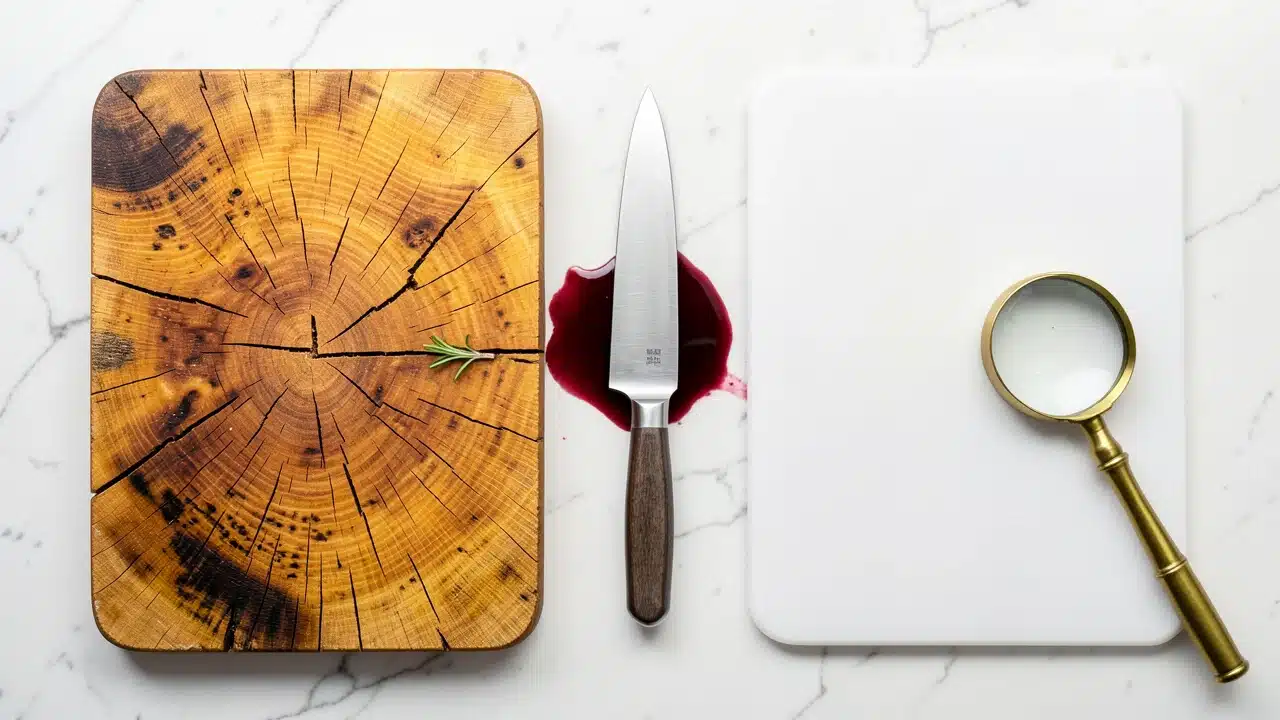
Cutting board hygiene myths often oversimplify wood vs plastic. Both can be safe if washed, sanitised, dried fully, and replaced when deeply scarred.
Plastic is easier to dishwasher-clean, while wood can be durable and knife-friendly when maintained. The real safety issue is cross-contamination: use separate boards for raw meat and ready-to-eat foods.
Keeping your kitchen clean is super important, especially when it comes to preparing food. You’ve probably wondered if your cutting board is really as clean as it looks, and what makes one type better than another.
Understanding the real facts behind Cutting Board Hygiene: Wood vs Plastic Myths and Reality Today will help you make safer choices for your family and keep your food prep area healthier.
We’ll look at what really works and what myths to ignore so you can feel confident in your kitchen.
Key Takeaways
- Wood and plastic cutting boards both have pros and cons for hygiene.
- Proper cleaning and maintenance are more important than the material itself.
- Wood boards can be naturally antimicrobial if cared for correctly.
- Plastic boards are often easier to sanitize in a dishwasher.
- Deep scratches and wear can harbor bacteria on any cutting board.
- Regular replacement is key for maintaining good hygiene.
Wood Cutting Boards: Nature’s Defense Against Germs
Wood cutting boards have been used for ages. Many people believe they are naturally better at fighting off germs. This is partly true because wood has compounds that can actually kill some bacteria.
Maple, bamboo, and walnut are popular choices. They are often seen as more eco-friendly and gentler on knives too. But, wood needs special care to keep it hygienic.
The Science Behind Wood’s Antimicrobial Properties
Wood isn’t just a surface; it’s a natural material. Some types of wood contain oils and compounds that can inhibit bacterial growth. When bacteria land on a wood surface, they can get trapped in the wood’s pores.
Over time, these bacteria can die off. This self-sanitizing ability is a big plus for wood. It means that with the right care, wood boards can be very hygienic.
Caring for Your Wood Board for Maximum Hygiene
To get the most out of your wood cutting board, you need to clean it well. First, always wash it right after use. Use hot, soapy water.
Don’t let it soak in water, as this can cause it to warp or crack. After washing, dry it completely with a towel. Next, you should oil your wood board regularly.
Use food-grade mineral oil or a special cutting board conditioner. This helps seal the wood and prevent it from drying out. Oiling also makes it harder for liquids and bacteria to soak in.
This regular upkeep is vital for maintaining good Cutting Board Hygiene: Wood vs Plastic Myths and Reality Today.
Common Myths About Wood Boards Debunked
One big myth is that wood boards are impossible to clean and always harbor germs. This isn’t true if they are cared for properly. Another myth is that you can’t use wood for raw meat.
While you must be extra careful, a well-maintained wood board can be safe. Cross-contamination is a risk with any board, but proper washing and separate boards for different foods help a lot.
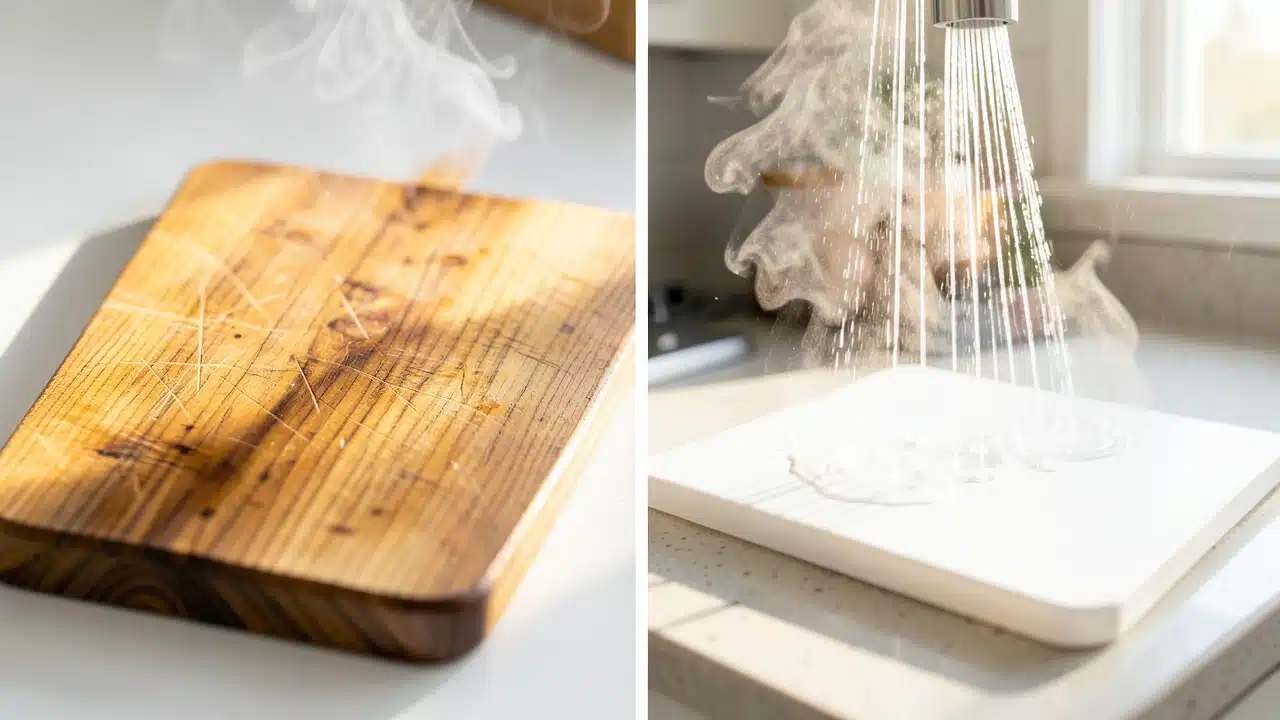
Plastic Cutting Boards: The Dishwasher-Safe Champion
Plastic cutting boards are very common in modern kitchens. They are often seen as the easier option for cleaning. Many plastic boards can go right into the dishwasher.
This high-heat cleaning can kill most bacteria effectively. They are also usually lighter and less expensive than wood boards. Plastic is also non-porous, meaning liquids don’t soak into it easily.
The Dishwasher Advantage for Plastic
The biggest benefit of plastic boards is their dishwasher-friendliness. The hot water and strong detergents in a dishwasher can sanitize them thoroughly. This is a significant advantage for busy kitchens.
It ensures a high level of cleanliness. This makes managing Cutting Board Hygiene: Wood vs Plastic Myths and Reality Today a bit simpler for some home cooks. You can be confident that the dishwasher is doing a good job of killing germs.
When Plastic Boards Start to Show Wear
Plastic boards are durable, but they do wear down over time. When you cut into plastic, you create small grooves and scratches. These nicks can trap food particles and bacteria.
Even if you wash the board, bacteria can hide deep in these cuts. It becomes harder to clean them out effectively. This is a major reason why plastic boards need to be replaced more often than wood boards.
Maintaining Plastic Boards Between Washes
Even though dishwashers are great, you still need to clean your plastic board after each use. Wash it with hot, soapy water.
If you’ve cut raw meat, poultry, or fish, it’s a good idea to use a mild bleach solution or a disinfectant spray designed for kitchen surfaces.
Rinse it thoroughly. Let it air dry completely or dry it with a clean towel. Proper cleaning is a key part of Cutting Board Hygiene: Wood vs Plastic Myths and Reality Today.
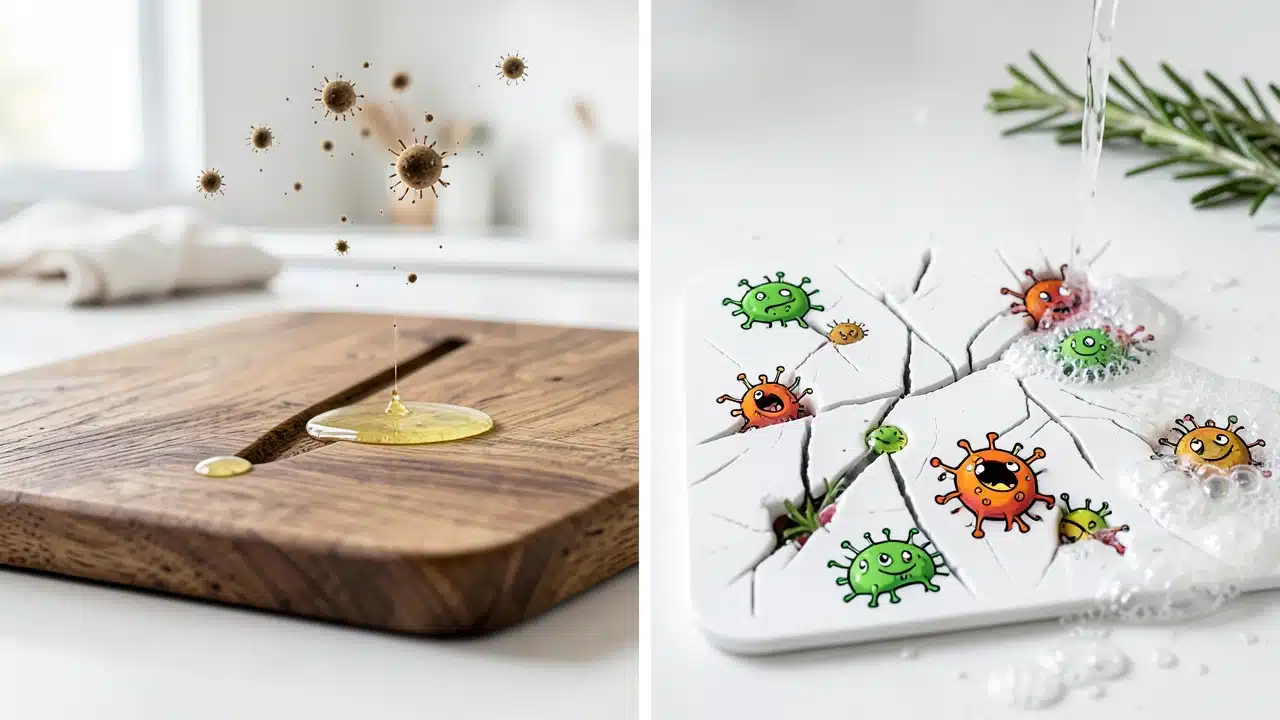
Comparing Wood and Plastic: A Hygiene Showdown
When we look at Cutting Board Hygiene: Wood vs Plastic Myths and Reality Today, it’s not about one being perfect and the other terrible.
Both have their strengths and weaknesses. The best choice often depends on your habits and how you maintain them.
| Natural Antimicrobial Properties | Yes, some wood types have this ability. | No, plastic does not have natural antimicrobial properties. |
| Ease of Cleaning | Requires hand washing and regular oiling. | Dishwasher safe, making sanitization easier. |
| Durability & Wear | Can last many years if maintained, but can warp if soaked. | Develops knife marks and grooves that can harbor bacteria. Needs replacement more often. |
| Porousness | Slightly porous, but can be sealed with oil. | Non-porous, liquids don’t soak in easily. |
| Knife Wear | Gentle on knife edges. | Can dull knives faster. |
| Cost | Generally more expensive upfront. | Generally less expensive. |
The table shows that wood has natural benefits, but plastic offers simpler sanitization for some. The reality is that both can be hygienic if you follow the right steps. Ignoring maintenance on either type will lead to problems.
This is a crucial aspect of Cutting Board Hygiene: Wood vs Plastic Myths and Reality Today.
Best Practices for Cutting Board Hygiene
Regardless of whether you choose wood or plastic, some rules apply to all cutting boards. These practices are the foundation of safe food preparation and good kitchen hygiene. Following them helps prevent the spread of harmful bacteria.
Separate Your Boards
First, it’s a really good idea to have separate cutting boards. Use one board for raw meats, poultry, and fish. Use a different board for fruits, vegetables, and bread.
This simple step is one of the most effective ways to prevent cross-contamination. Cross-contamination is when bacteria from raw food get onto ready-to-eat food. This can lead to foodborne illnesses.
Clean Immediately After Use
Second, never leave a dirty cutting board sitting around. Wash it as soon as you finish using it. Food particles left on the board can become a breeding ground for bacteria.
Use hot water and plenty of soap. For plastic boards, a good scrub in the dishwasher is excellent. For wood boards, hand washing is best.
Sanitize Regularly
Next, periodic sanitization is important. For plastic boards, running them through a hot dishwasher cycle is usually enough. For wood boards, you can use a diluted vinegar spray or a food-grade sanitizer after washing.
Let it sit for a few minutes before rinsing and drying. This adds an extra layer of protection.
Inspect and Replace
Then, keep an eye on the condition of your cutting boards. If a wood board has deep cracks or warping, it’s time to
Dry Thoroughly
Finally, always make sure your cutting board is completely dry before storing it. Storing a wet board can encourage mold and mildew growth. Mold can affect the taste of your food and is unhealthy.
Air drying is often best, or use a clean, dry towel.
Addressing Common Myths in Cutting Board Hygiene
There are many beliefs about cutting boards that aren’t quite true. Let’s clear up some confusion regarding Cutting Board Hygiene: Wood vs Plastic Myths and Reality Today.
Myth: Plastic Boards Are Always More Hygienic
While plastic boards are easier to sanitize in a dishwasher, they aren’t inherently more hygienic. Deep knife marks on plastic can trap bacteria that even dishwashers can’t always reach. A well-maintained wood board can be just as hygienic, if not more so, due to its natural properties.
Myth: Wood Boards Are Too Porous to Be Safe
Wood is somewhat porous, but dense hardwoods like maple are less so. When properly seasoned and maintained with oil, they become quite resistant to liquid absorption. The natural antimicrobial properties of wood also help to reduce bacterial load.
Myth: You Only Need to Wash Your Cutting Board
Washing is essential, but sanitizing offers an extra layer of protection, especially after cutting raw meat. For wood, a diluted bleach or vinegar solution can help kill lingering germs. For plastic, a dishwasher is a powerful sanitizer.
Myth: Deep Scratches on Plastic Don’t Matter
This is a dangerous myth. Deep scratches on plastic boards create ideal hiding spots for bacteria. These can be very difficult to clean out, making the board a potential source of contamination.
It’s crucial to replace scratched plastic boards promptly.
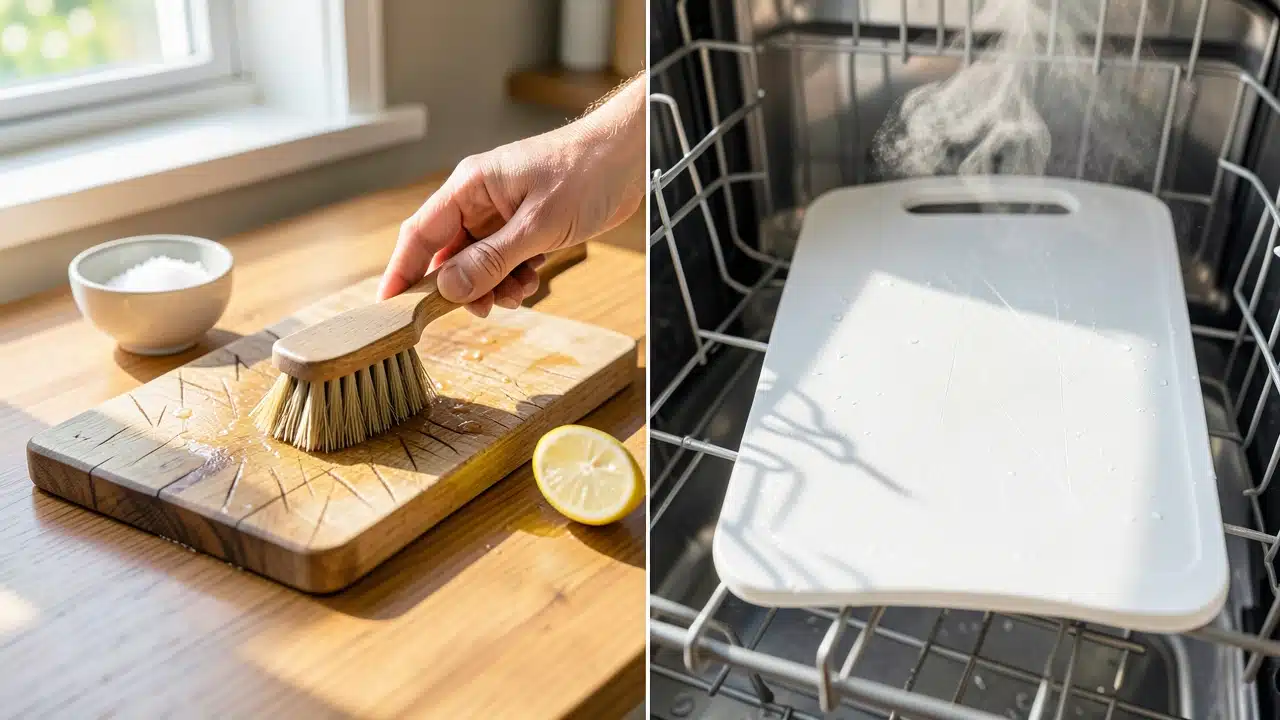
The Importance of Maintenance for Both Types
The truth about Cutting Board Hygiene: Wood vs Plastic Myths and Reality Today boils down to this: maintenance is king.
A neglected wood board can be less hygienic than a well-kept plastic one. Conversely, a heavily scratched plastic board can be a breeding ground for germs, while a properly cared-for wood board might be cleaner.
The way you clean, sanitize, and care for your cutting board matters more than the material it’s made from.
Wood Board Maintenance: Oiling and Cleaning
Regular oiling of wood boards is not just for looks; it’s for protection. It keeps the wood from drying out and cracking. It also helps to seal the surface, making it harder for bacteria and liquids to penetrate.
Washing with mild soap and hot water, followed by thorough drying, is key. Avoid harsh detergents or letting wood soak. The USDA provides comprehensive guidelines for cutting board care and hygiene.
Plastic Board Maintenance: Washing and Replacement
Plastic boards require consistent washing after every use. The dishwasher is a great tool for sanitizing them. However, the most critical maintenance for plastic is knowing when to replace it.When the surface becomes too scarred, it’s time for a new one to ensure safety.
Frequently Asked Questions Of Cutting Board Hygiene: Wood Vs Plastic Myths And Reality Today
Question: Which is better for preventing bacteria, wood or plastic cutting boards?
Answer: Neither is definitively “better” without proper care. Wood has natural antimicrobial properties, while plastic is easier to sanitize in a dishwasher. Both can be hygienic if cleaned and maintained correctly, and replaced when worn.
Question: How often should I replace my cutting board?
Answer: For plastic boards,
Question: Can I use the same cutting board for raw chicken and vegetables?
Answer: No, it’s strongly recommended to use separate cutting boards. One for raw meats, poultry, and fish, and another for fruits, vegetables, and other ready-to-eat foods to prevent cross-contamination.
Question: How do I sanitize a wood cutting board?
Answer: After washing with soap and hot water, you can spray a diluted solution of white vinegar or a food-grade sanitizer onto the wood board. Let it sit for a few minutes, then rinse and dry thoroughly. Regular oiling is also important.
Question: Does the color of a plastic cutting board matter for hygiene?
Answer: No, the color of a plastic cutting board does not affect its hygiene. The important factors are its material, how it’s cleaned, and its condition (e.g., absence of deep scratches).
Question: Should I be worried about bacteria on my cutting board?
Answer: Yes, you should be mindful of bacteria. Proper cleaning and maintenance of your cutting board are crucial steps in preventing foodborne illnesses and ensuring food safety in your kitchen.
Final Thoughts
Choosing between wood and plastic cutting boards involves understanding their real hygiene benefits and drawbacks. Following safe kitchen practices reduces the risk of cross-contamination.
Proper cleaning, regular maintenance, and timely replacement are the most important factors for ensuring a safe kitchen, no matter the material. Focus on these practices to keep your cutting boards hygienic. Regular proper cleaning and oiling of wood cutting boards helps maintain hygiene.