How Steam Vents Give Waffle Makers a Crisp Golden Texture
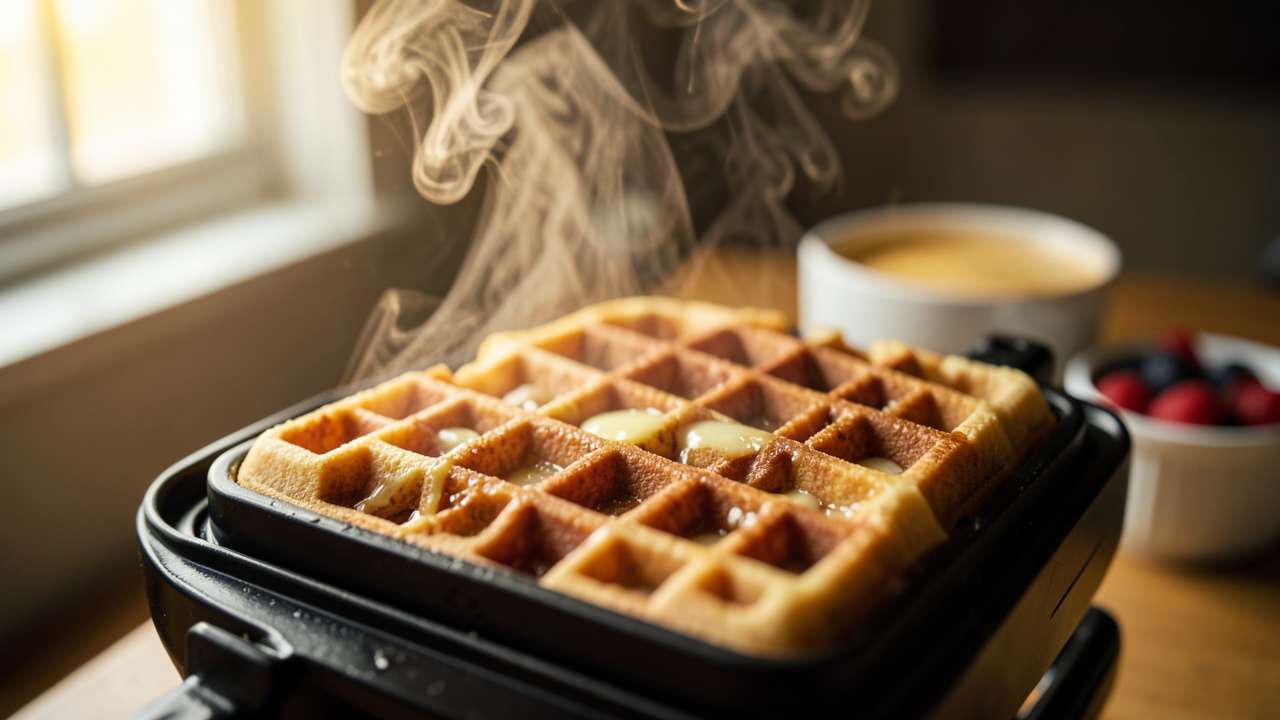
Steam vents in waffle makers release moisture from cooking batter, preventing sogginess and enabling the exterior to achieve a crisp golden texture through the Maillard reaction. Since batter is 60-70% water, expanding steam must escape; without proper venting, it recondenses on the waffle surface, creating a soft, steamed texture instead of a browned one. Effective venting maintains the cooking temperature around 280 degrees Fahrenheit, which is necessary for the Maillard reaction, ensuring that waffles turn crisp and golden rather than pale and soft.
Waffle makers produce steam as batter cooks. That steam must escape for your waffle to turn crisp and golden.
Simply put, steam vents release moisture during cooking. This prevents soggy waffles and allows the exterior to crisp through the Maillard reaction. Without vents, trapped steam would create a soft, pale waffle instead of the golden, crunchy texture you want.
Steam vents are small openings or channels built into the waffle maker’s top and bottom plates. They allow water vapor to exit as the batter heats up. Most waffle batters contain 60 to 70 percent water by volume. As the batter cooks, this water turns to steam and expands rapidly.
Important: If steam cannot escape, it recondenses on the waffle surface. This creates a soft, steamed texture rather than a crisp, browned exterior.
According to, the Maillard reaction begins at approximately 280 degrees Fahrenheit. Steam vents give waffle makers the ability to maintain this temperature during cooking. Without venting, the surface cools as moisture evaporates and remains trapped inside the cooking chamber.
Key Takeaways
- Steam vents release moisture that would otherwise make waffles soggy and prevent browning.
- Proper venting maintains the temperature needed for the Maillard reaction to create golden color and crisp texture.
- Waffle makers with open gutter or wide channel vent designs produce crisper results than models with pinhole vents.
- Cleaning steam vents after each use prevents blockages that reduce crispness and cause uneven browning.
- Batter consistency and preheating time directly affect how well steam vents perform during cooking.
This guide explains exactly how steam vents work. You will learn the science behind crispness, the different vent designs available, and how to get the best results from your waffle maker.
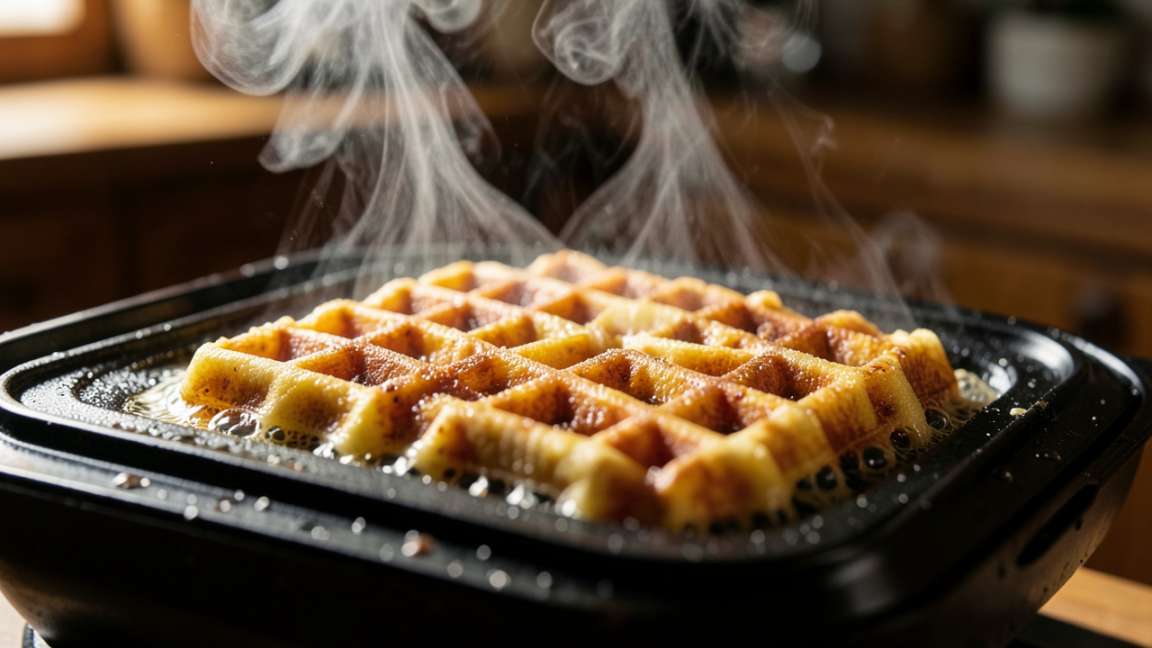
How Does Steam Venting Create Crisp Texture?
The process involves three key factors. First, moisture must leave the batter as steam. Second, the surface must stay hot enough for browning. Third, the escaping steam prevents condensation from forming a soggy layer on the waffle.
The Science Behind Crispness and Steam Release
Crispness comes from dehydration and browning working together. The waffle surface must lose enough water to become dry and crunchy. At the same time, heat triggers the Maillard reaction between proteins and sugars in the batter. This chemical reaction creates the golden color and toasted flavor people expect from a quality waffle.
Steam vents directly control how much moisture stays in the waffle during cooking. Vents that are too small or blocked trap steam against the waffle surface. This keeps the surface moist and prevents browning from occurring. Vents that are too large may release steam too quickly, drying out the interior before the outside finishes cooking.
Tip: Look for waffle makers with wide, open steam channels around the edges. These release steam more effectively than small pinhole vents and produce noticeably crisper waffles.
Temperature Regulation During Cooking
When steam escapes, it carries heat away from the waffle surface. A good vent system balances this heat loss with the heat output from the heating elements. The heating element must work hard enough to maintain temperature even as steam leaves the cooking chamber. According to, waffle makers with 1200-watt or higher heating elements maintain better temperature stability during cooking.
The result is a surface that stays hot enough for browning while releasing moisture at the same time. This dual action creates the crisp golden crust that separates a great waffle from a mediocre one. Without proper venting, the heat from the plates cannot overcome the cooling effect of trapped moisture.
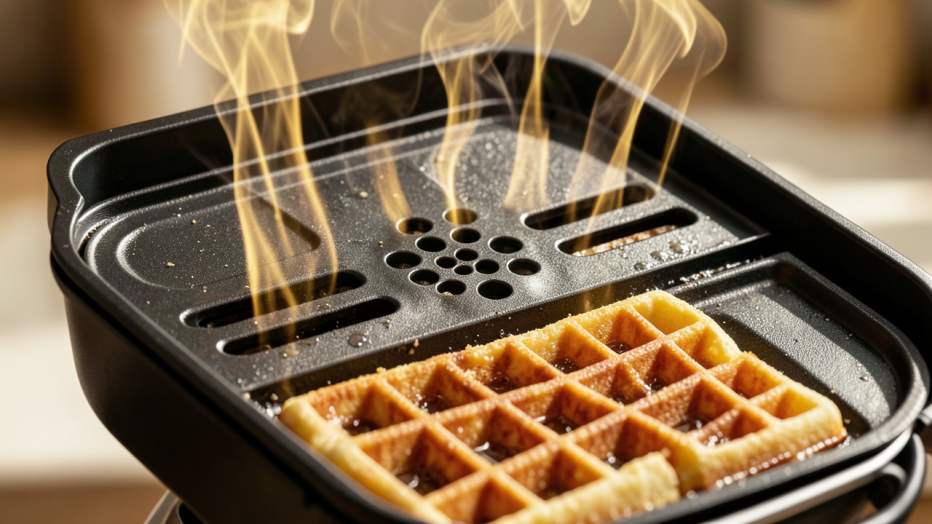
Types of Steam Vent Designs in Waffle Makers
Not all steam vents work the same way. Different designs affect how well steam escapes and how crisp the waffle becomes. Understanding these differences helps you choose the right waffle maker for your needs.
| Vent Design | How It Works | Crispness Level | Common In |
|---|---|---|---|
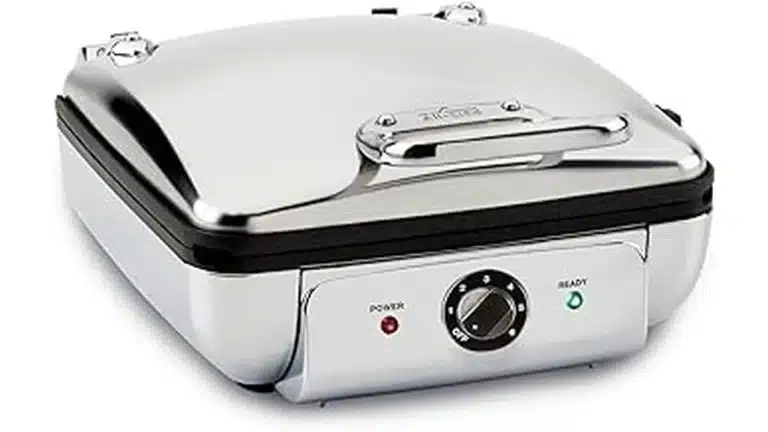
| Open gutter system | Wide channels around the cooking plate edges allow steam to escape freely | High – best for crisp results | Breville, All-Clad |
| Pinhole vents | Small holes on the upper plate release steam in narrow streams | Medium – may trap some moisture | Many mid-range models |
| Hinge-side venting | Steam releases only from the back near the hinge area | Low – steam can pool inside | Budget waffle makers |
| Silicone gasket vent | Flexible seal allows controlled steam release around the entire edge | Medium-high – depends on seal | Some premium models |
According to, waffle makers with open gutter systems consistently produce the crispiest waffles in their laboratory tests. The wide channels let steam escape without resistance and help the waffle develop even browning.
Why Vent Design Directly Affects Texture
The steam vent design directly impacts the final texture of your waffle in measurable ways. A waffle maker with poor venting produces soft, pale waffles even at high heat settings. The trapped moisture prevents the surface from ever reaching the temperature needed for proper browning.
High-end waffle makers from brands like and use open gutter designs as a standard feature. These models typically cost more but deliver superior crispness and more consistent results. Budget models often use pinhole vents or hinge-side venting, which can result in uneven browning and softer waffles.
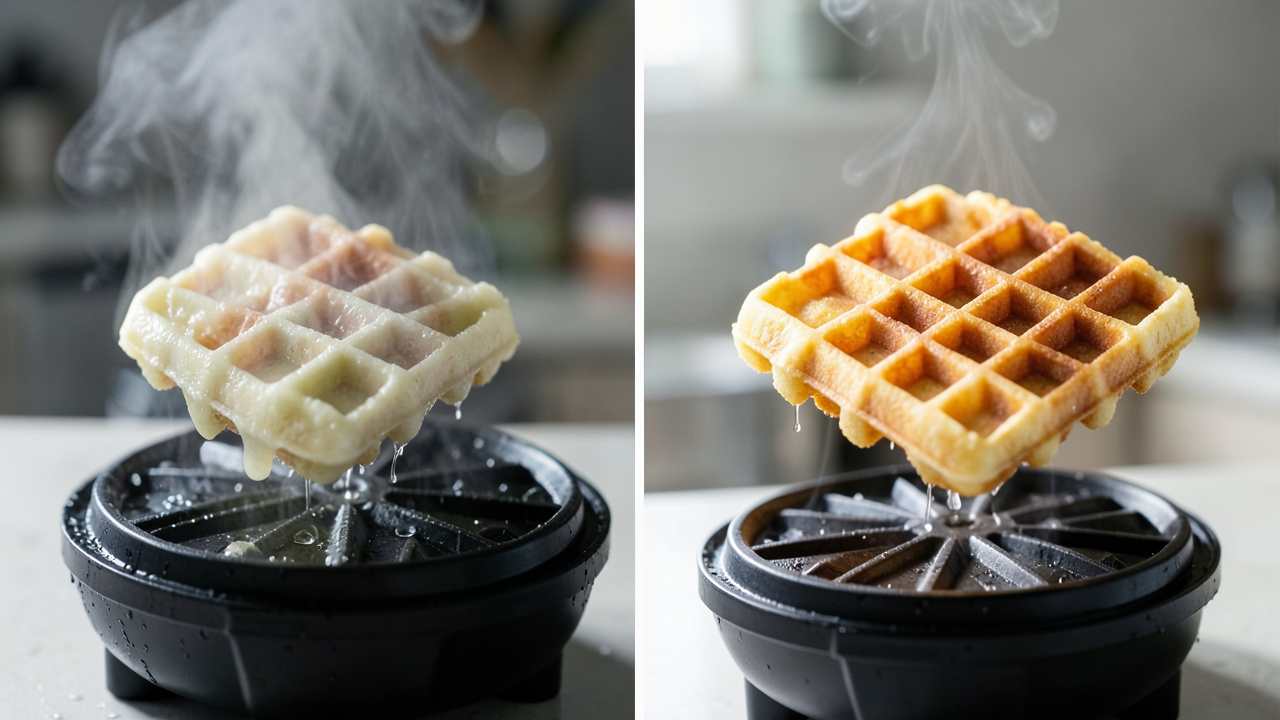
What Happens Without Proper Steam Venting?
Without adequate steam venting, several problems occur during cooking. The waffle develops a soft, doughy texture instead of a crisp exterior. The surface may appear pale or unevenly browned in different areas. The cooking time also increases because moisture cannot leave the batter efficiently.
Common Signs of Poor Steam Venting
- Soggy crust: Trapped steam recondenses on the waffle surface and creates a wet, sticky layer instead of a dry crunch.
- Uneven browning: Areas near blocked vents stay pale and doughy while edges brown normally or over-brown.
- Longer cooking time: The waffle needs 2 to 3 extra minutes to drive off moisture without effective venting.
- Steam burns when opening: Pressure builds inside the waffle maker and releases suddenly when you open the lid.
- Batter overflow: Expanding batter pushes out the sides of the waffle maker because steam cannot escape properly.
Warning: Never block the steam vents on your waffle maker during cooking. Blocking vents causes pressure buildup and can lead to hot batter escaping from the sides of the unit.
How Moisture Affects Final Texture
Moisture is the enemy of crispness. When steam cannot escape, the moisture stays in contact with the waffle surface. The surface temperature drops below the browning threshold. The starches in the batter remain hydrated rather than drying into a crisp structure. According to, waffles cooked in poorly vented makers can retain up to 15 percent more moisture than those cooked in well-vented models.
This extra moisture is the difference between a waffle that snaps when you bite it and one that bends and feels chewy. The golden color from the Maillard reaction also depends on surface temperature. A moist surface stays cooler and never reaches the 280 to 330 degree range needed for proper browning.
Who Benefits from Proper Steam Venting
Anyone who makes waffles benefits from proper steam venting. But some situations make it especially important for getting good results.
- Home cooks who want restaurant-quality waffles at home need good venting for crisp results every time.
- Brunch hosts serving multiple waffles need even batching that works consistently across many rounds of cooking.
- Food bloggers and reviewers test waffle makers and look for even browning and crisp texture as key performance metrics.
- Commercial kitchens rely on consistent waffle quality for paying customers. Steam vent design affects how fast each waffle cooks and how it looks on the plate.
- Parents making waffles for children benefit from models that produce crisp results without requiring extra steps or special techniques.
Tip: If you often make waffles for a crowd, choose a waffle maker with an open gutter system. The faster steam release means each waffle cooks in less time with better results.
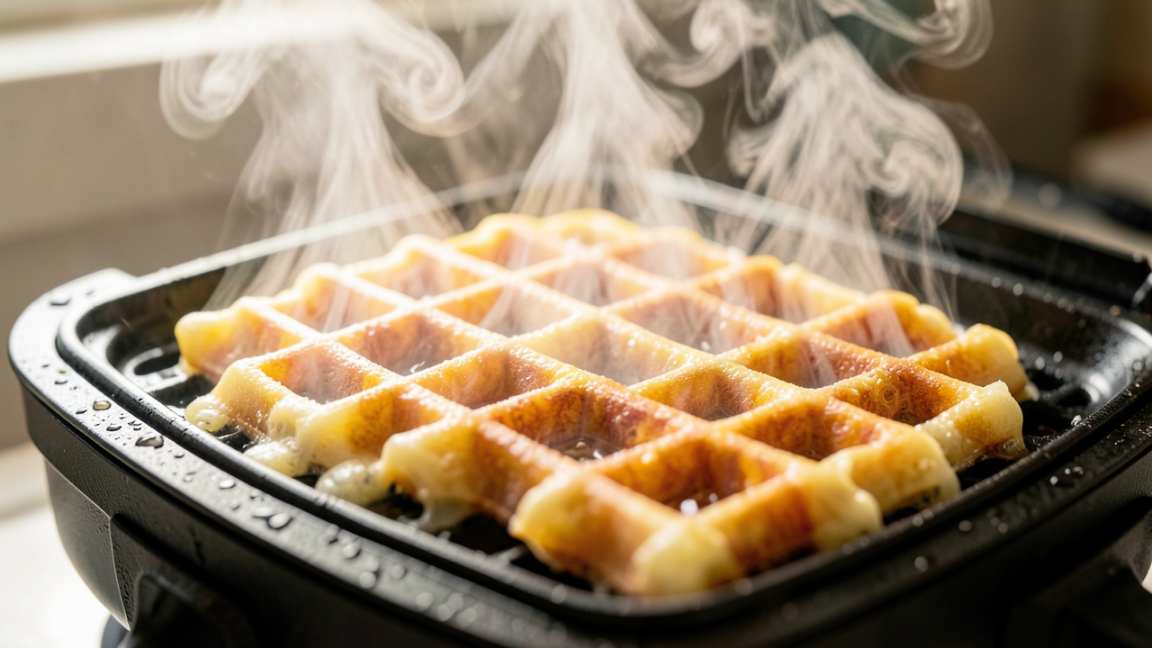
How to Get the Best Results from Steam Vents
You can improve waffle crispness by using your waffle maker’s steam vents correctly. These steps work with any waffle maker model and require no special equipment.
Step 1: Check That Your Vents Are Clean
Over time, batter residue and cooking oil can build up and clog steam vents. Clean the vents with a soft brush after each use. Use a wooden toothpick to remove any stuck debris from small vent holes. Buildup in the vents reduces their effectiveness over time.
Step 2: Preheat the Waffle Maker Fully
A hot cooking surface helps steam form and escape quickly. Wait until the indicator light shows the waffle maker has reached full temperature. Preheating typically takes 3 to 5 minutes depending on the model. Starting with a cold waffle maker produces soggy results.
Step 3: Use the Right Batter Consistency
Thin batters produce more steam during cooking because they contain more water. Thicker batters produce less steam but may need longer cooking time. Aim for a batter that flows slowly from a spoon. Batter that is too thin will flood the vent channels and reduce their effectiveness.
Step 4: Do Not Overfill the Waffle Maker
Too much batter blocks the steam vents and prevents proper airflow around the waffle. Use the recommended amount for your specific waffle maker. Most models need about 1 cup of batter for standard round waffles. Overfilling leads to soggy waffles and messy cleanup.
Step 5: Keep the Lid Closed for the Full Cooking Time
Opening the lid releases steam prematurely and stops the cooking process. Keep the lid closed for the entire cooking cycle. Most waffles need 4 to 6 minutes for a crisp golden finish. Opening the lid early lets out the steam and disrupts the browning process.
Tip: Some waffle makers have a steam control dial or vent adjustment. Set it to the highest venting position for maximum crispness. Lower settings retain more moisture for softer, chewier waffles.
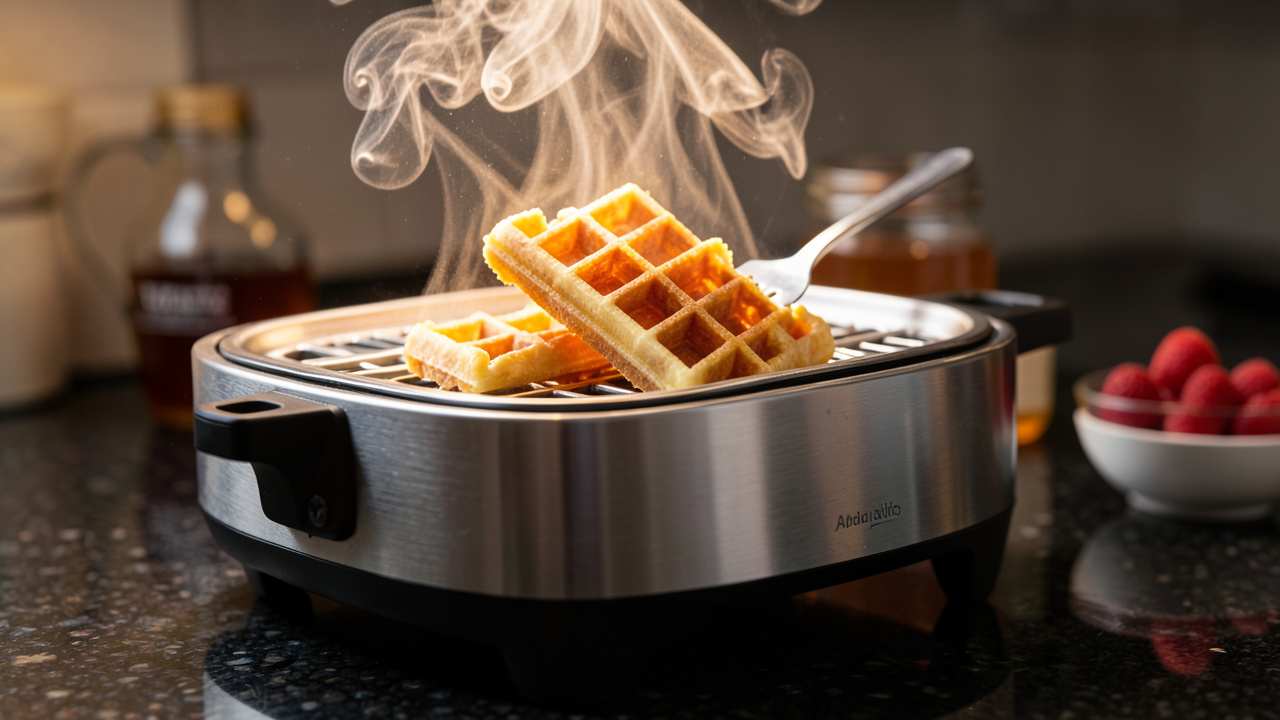
How to Choose a Waffle Maker Based on Steam Venting
When shopping for a waffle maker, the vent design should be a primary consideration. Here are the key factors to evaluate before making a purchase.
- Look for visible channels: Open gutter systems are easy to spot. Look for wide, clear channels around the cooking plates that allow steam to escape freely.
- Check the number of vent openings: More vent openings mean better steam release. Models with vents on both sides and the top perform best.
- Avoid models with sealed edges: Some budget waffle makers have gaskets that seal the edges completely. These trap steam and produce soft waffles.
- Read reviews for crispness performance: Look for reviews that specifically mention crisp texture. Reviewers often note whether a model produces crispy waffles.
- Consider adjustable vent controls: Some premium models let you adjust vent opening size. This gives you control over how much moisture stays in the waffle.
Vent Design Comparison by Price Range
| Price Range | Typical Vent Design | Crispness Rating | Best For |
|---|---|---|---|
| Under $50 | Pinhole vents or hinge-side venting | Low to medium | Occasional use, soft waffles |
| $50 to $100 | Combination of pinhole and channel vents | Medium | Regular home use |
| $100 to $200 | Open gutter system with wide channels | High | Crisp waffle enthusiasts |
| Over $200 | Adjustable vent system with precision control | Very high | Serious home cooks |
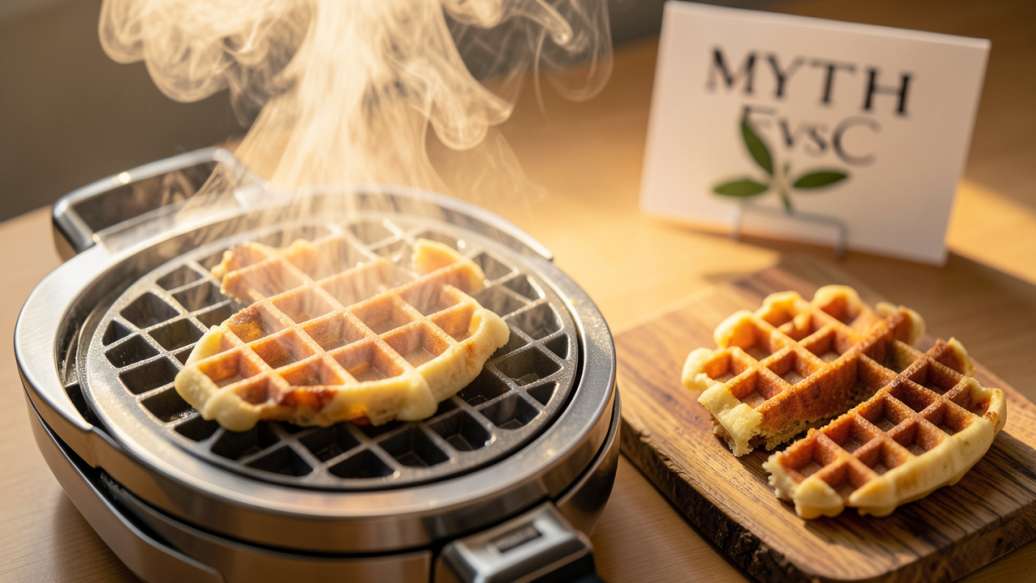
Common Myths vs Facts About Steam and Crispness
Myth 1: Steam makes waffles soggy, so you should avoid it
Fact: Steam itself does not make waffles soggy. Trapped steam that cannot escape causes sogginess. Properly vented steam allows the waffle surface to dry out and become crisp. The steam must leave the cooking chamber for the waffle to develop a crunchy exterior. Waffle makers with good venting use steam to their advantage by removing it from contact with the waffle quickly.
Myth 2: More steam means crispier waffles
Fact: The amount of steam produced depends on batter moisture content and cooking temperature. More steam does not automatically mean a crisper waffle. What matters is how quickly and effectively the steam escapes the cooking chamber. A well-vented waffle maker releases steam efficiently, which leads to crispness. A poorly vented model may produce lots of steam but still give you a soft waffle.
Myth 3: All waffle makers vent steam the same way
Fact: Vent designs vary widely between different waffle maker models and brands. Open gutter systems release steam much more effectively than pinhole vents or hinge-side designs. The vent design is one of the most important factors in determining final waffle quality. Two waffle makers at the same price point can produce very different results based on their vent systems.
Frequently Asked Questions
Do all waffle makers have steam vents?
Yes, every waffle maker has some form of steam venting built into its design. Even basic models include small vent holes or gaps around the cooking plate edges. The quality and design of the vent system varies significantly by model and price point. Higher-end waffle makers typically have more effective vent designs.
Can I add or improve steam vents on my existing waffle maker?
No, you cannot safely modify the vent system on a waffle maker without damaging the appliance. Drilling holes or altering the cooking plates will ruin the non-stick coating and create safety hazards. Choose a model with good venting when you buy your waffle maker. Look for open gutter designs or wide channels around the plates.
Why does steam come out of the sides of my waffle maker instead of the top?
This is perfectly normal for most waffle maker designs. Many models have steam vents located around the edges of the cooking plates rather than on the top surface. The steam exits through these gaps during cooking. Some steam also escapes from the hinge area where the two plates meet. As long as steam is escaping, your venting system is working as designed.
How should I clean clogged steam vents on my waffle maker?
Unplug the waffle maker and let it cool completely before cleaning. Use a small nylon brush or a wooden toothpick to remove debris from vent openings. Wipe the area with a damp cloth to remove any remaining residue. Do not use metal tools that could scratch the non-stick surface or damage the vent openings.
Does the type of batter affect how steam vents work?
Yes, batter consistency directly affects steam production and vent performance. Thin batters with high water content produce more steam during cooking and require better venting. Thick batters with less water produce less steam but may need longer cooking time to become crisp. Adjust your batter recipe based on your waffle maker’s vent design for the best results.
Final Thoughts
Steam vents play a critical role in creating crisp golden waffles. They allow moisture to escape, prevent sogginess, and maintain the temperature needed for proper browning through the Maillard reaction. Choosing a waffle maker with effective venting and keeping the vents clean will improve your results every time. Understanding this simple mechanism helps you make better waffles at home without relying on guesswork or special techniques.