Smart Kitchen Technology: Which Appliances Actually Make Cooking Easier?
Imagine this: You’re rushing to get dinner on the table after a long day, juggling multiple tasks. Wouldn’t it be amazing if some kitchen gadgets could lend a hand, simplifying your meal prep and cooking?
This is where Smart Kitchen Technology: Which Appliances Actually Make Cooking Easier? comes into play.
By exploring these innovative tools, you’ll discover how they can streamline your kitchen routines. This will not only save you valuable time but also make cooking a more enjoyable experience, encouraging you to stay on the page longer and reducing the chances of you clicking away.
Key Takeaways
- Understand how different smart kitchen appliances can simplify cooking tasks.
- Learn about the common features and benefits of smart ovens and cooktops.
- Discover how smart refrigerators can help manage food inventory and reduce waste.
- Explore the convenience of smart small appliances like blenders and coffee makers.
- Consider the connectivity and integration aspects of a truly smart kitchen.
- Evaluate which smart kitchen technologies offer the most practical benefits for your cooking style.
![Smart Kitchen Technology Which Appliances Actually Make Cooking Easier[1]](https://kitchentoolslab.com/wp-content/uploads/2026/05/Smart_Kitchen_Technology__Which_Appliances_Actually_Make_Cooking_Easier1.jpg)
Smart Ovens and Cooktops: The Heart of the Connected Kitchen
Smart ovens and cooktops represent a significant leap in kitchen convenience and control. These appliances move beyond basic temperature settings to offer a host of features that simplify cooking, from preheating remotely to guiding you through complex recipes.
They are designed to integrate seamlessly with your lifestyle, offering more control and less guesswork.
Understanding their capabilities is key to appreciating how smart kitchen technology can transform your daily cooking experience.
Remote Control and Monitoring
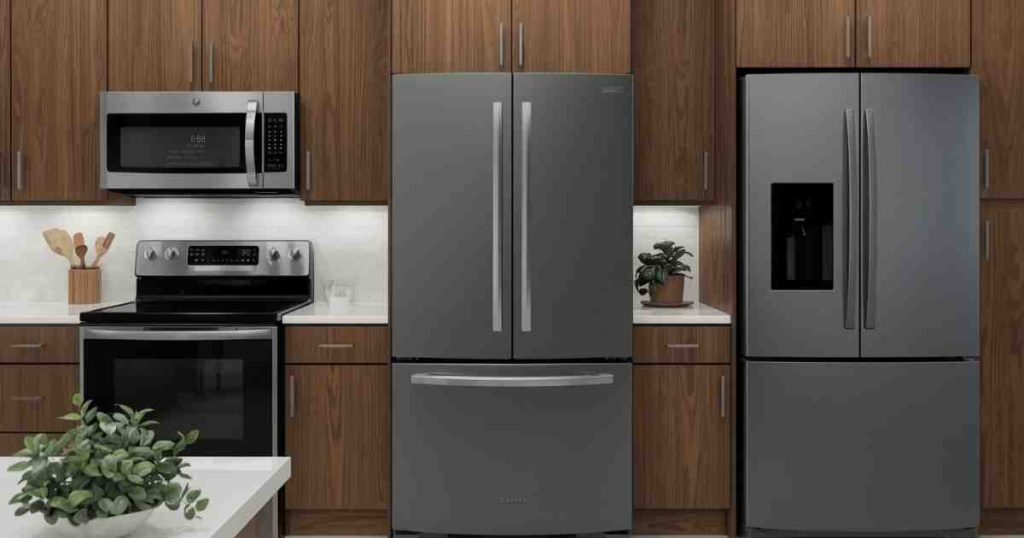
One of the most significant advantages of smart ovens and cooktops is the ability to control and monitor them from a distance, usually via a smartphone app.
This means you can preheat your oven on your way home from work, ensuring it’s ready the moment you walk in. You can also check if the oven is still on, giving you peace of mind.
Some apps even allow you to adjust cooking times and temperatures remotely. This level of control offers unparalleled flexibility.
- Remote Preheat: Start heating your oven before you arrive home. This saves time and ensures meals are ready faster, especially on busy weeknights.
- Temperature and Time Adjustment: Modify cooking settings on the fly, perfect for when guests arrive early or a recipe needs a slight tweak.
- Cooking Progress Monitoring: Receive notifications when your food is ready or when a specific cooking stage is complete. This prevents overcooking or undercooking.
For instance, imagine you’re running late for a dinner party. With a smart oven, you can use your phone to initiate the preheating sequence. By the time you arrive, the oven is already at the perfect temperature, ready for you to place your dish inside.
This simple action can significantly reduce stress and allow you to focus more on your guests. Another scenario involves a busy parent who needs to start dinner but is stuck in traffic. They can remotely preheat the oven and set the timer, ensuring dinner is cooked and waiting when they get home, saving valuable family time.
Advanced Cooking Functions
Beyond remote control, smart ovens boast sophisticated cooking functions that automate and perfect various cooking methods.
These can include steam cooking, convection baking with precise fan control, and even guided cooking programs. These features simplify complex dishes and ensure consistent results, making gourmet cooking accessible to more home cooks.
The technology is designed to learn and adapt, offering a more intuitive cooking experience.
- Steam Cooking: Many smart ovens offer steam or combi-steam functions. This method helps retain moisture and nutrients in food, resulting in perfectly cooked vegetables, fish, and bread.
- Convection Fan Control: Precise control over the convection fan ensures even heat distribution, leading to more consistent browning and cooking results.
- Guided Cooking Programs: Select a dish from a pre-programmed menu, and the oven will automatically adjust temperature, time, and cooking mode for optimal results. This is incredibly helpful for beginners or when trying new recipes.
Consider baking bread. Traditionally, achieving the perfect crust can be challenging, often requiring specific steam injection techniques. A smart oven with a steam function automates this process.
You simply add water to the reservoir, select the bread program, and the oven creates the ideal steamy environment.
The result is a loaf with a beautiful, crispy crust and a soft, airy interior, something that might have previously required advanced baking skills.
A study by Statista showed that in 2023, the global smart home market, which includes kitchen appliances, was valued at over 100 billion U.S. dollars and is projected to grow significantly in the coming years, indicating a strong consumer interest in these technologies.
Integration with Voice Assistants
Voice control is another hallmark of smart kitchen appliances. Integrating with assistants like Amazon Alexa or Google Assistant allows for hands-free operation.
You can ask your oven to set a timer, change the temperature, or even search for cooking conversions, all while your hands are covered in flour or busy stirring a sauce.
This hands-free convenience significantly enhances the cooking workflow.
Smart Cooktops: Precision and Safety
Smart cooktops offer similar connectivity and control features but are focused on the stovetop experience.
Induction cooktops, often integrated into smart designs, provide rapid heating and precise temperature control.
Safety features like automatic shut-off and child locks are also enhanced through smart technology, offering greater peace of mind for families.
The ability to control multiple zones simultaneously or set specific temperatures for delicate sauces makes them highly versatile.
Real-Life Example: The Busy Professional
Sarah, a marketing manager, often works late. Her smart oven allows her to preheat it on her commute, so when she gets home, dinner can go straight into a hot oven.
She uses the app to monitor the cooking progress and even adjust the temperature if she’s a few minutes later than planned.
This reduces her stress around weeknight dinners and ensures her family eats well.
Smart Refrigerators: Beyond Cooling
Smart refrigerators are more than just places to store food; they are becoming central hubs for kitchen management, helping to reduce food waste and simplify grocery shopping.
Their advanced features go beyond keeping food cold, offering insights into inventory, expiration dates, and even recipe suggestions based on what you have. This makes them invaluable tools for modern households aiming for efficiency and sustainability.
Internal Cameras and Inventory Management
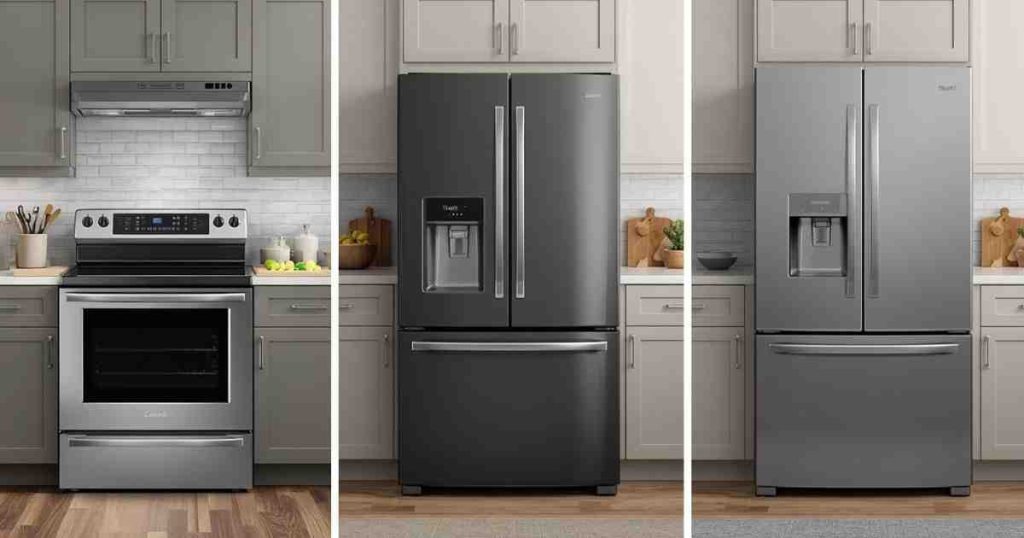
Many smart refrigerators are equipped with internal cameras that allow you to see the contents of your fridge remotely via a smartphone app.
This is incredibly useful when you’re at the grocery store and can’t remember if you need milk or eggs. Some models can even automatically detect certain items and track their inventory.
This feature directly addresses the common problem of buying duplicates or forgetting essential ingredients.
- Remote Fridge View: Check what’s inside your refrigerator from anywhere, preventing unnecessary purchases and saving money.
- Automatic Item Recognition: Some advanced models can identify common food items and add them to a digital inventory list.
- Expiration Date Tracking: Input expiration dates, and the refrigerator can alert you when food is nearing its expiry, helping to minimize spoilage.
Consider a family trip to the supermarket. Instead of guessing what’s in the fridge, a parent can pull up the refrigerator’s camera feed on their phone.
They can see that they have plenty of yogurt and don’t need to buy more, or they can confirm they are out of butter.
This small convenience can save multiple trips to the store and reduce impulse buys, leading to more efficient grocery shopping and less food waste.
Recipe Suggestions and Meal Planning
Leveraging the inventory information, smart refrigerators can offer personalized recipe suggestions based on the ingredients you already have.
This is a fantastic way to get creative in the kitchen and use up items before they go bad. They can also assist with meal planning by suggesting recipes and automatically adding needed ingredients to your shopping list.
This integrated approach streamlines the entire process from inspiration to preparation.
Energy Efficiency and Diagnostics
Smart refrigerators often include features that optimize energy consumption. They can monitor cooling cycles and adjust settings based on usage patterns, potentially saving on electricity bills.
Furthermore, these appliances can perform self-diagnostics, alerting you to any potential issues before they become major problems.
This proactive maintenance can extend the life of the appliance and prevent costly repairs.
Case Study: Reducing Food Waste in a Household
The Smith family, a household of four, implemented a smart refrigerator with inventory tracking. Within three months, they reported a 20% reduction in food waste.
The refrigerator’s alerts for expiring items and recipe suggestions using these items helped them consume more of their groceries.
The ability to check inventory remotely also cut down on impulse buys at the grocery store.
Smart Display Integration
Many smart refrigerators feature large touchscreens that can act as a central hub for family organization.
You can leave digital notes, sync calendars, play music, or even stream cooking tutorials directly from the fridge door. This transforms the appliance into an interactive command center for your kitchen and household.
Smart Small Appliances: Convenience in Every Corner
Smart technology isn't limited to large appliances; it's also making its way into smaller, everyday kitchen gadgets. Smart blenders, coffee makers, toasters, and even microwaves are designed to offer more convenience, customization, and connectivity. These appliances can simplify routine tasks, allowing for personalized settings and remote operation, further enhancing the ease of cooking and meal preparation.
Smart Blenders: Perfect Consistency Every Time
Smart blenders go beyond simple speed settings. Many connect to apps that offer pre-programmed recipes for smoothies, soups, or sauces.
The blender can automatically adjust speed, time, and pulses to achieve the perfect consistency for each recipe.
Some even allow you to download new programs or create your own custom blends. This ensures consistent results, whether you’re making a morning protein shake or a complex blended soup.
- Pre-programmed Recipes: Access a library of recipes designed for optimal blending, from silky smooth soups to perfectly textured smoothies.
- Customizable Blending Programs: Create and save your own blending profiles for frequently made items, ensuring your perfect texture every time.
- App Connectivity: Control the blender remotely, track nutritional information for your creations, and receive updates for new features.
Imagine wanting to make a specific green smoothie that requires different speeds at different times. Instead of manually adjusting the blender, you select the smoothie from the app. The smart blender then runs through the precise sequence of pulses and speeds automatically.
This takes the guesswork out of achieving the desired texture and flavor, ensuring a consistently great drink.
Smart Coffee Makers: Your Perfect Brew, On Demand
Smart coffee makers allow you to schedule brewing times, customize strength, and even select brew temperature remotely.
Wake up to the aroma of freshly brewed coffee without lifting a finger. Many can be controlled via voice commands or smartphone apps, offering ultimate convenience for coffee lovers.
Some models can even reorder coffee beans when you’re running low.
Smart Microwaves: Advanced Heating and Cooking
Smart microwaves offer more than just reheating. They can have guided cooking programs for specific foods, automatically adjusting power levels and cooking times. Some can scan barcodes on food packaging to retrieve the correct cooking instructions.
This level of automation ensures food is heated evenly and perfectly, avoiding the common pitfalls of microwaved meals.
Sample Scenario: The Morning Routine Upgrade
David wants a fresh cup of coffee as soon as he wakes up. He uses his smart coffee maker’s app to set it to start brewing at 7:00 AM every weekday. He can also adjust the brew strength from his phone the night before.
On weekends, he might use a voice command to start the brewing process while he’s still in bed. This small integration into his morning routine saves him time and makes his waking moments more pleasant.
Smart Toasters: Precision Toasting
Even seemingly simple appliances like toasters are getting a smart upgrade. Some smart toasters allow you to select browning levels with much greater precision than traditional dials. You can often save preferred settings for different types of bread.
Some high-end models even offer specific programs for bagels, pastries, or defrosting.
Connectivity and Integration: The True Smart Kitchen Ecosystem
The real power of smart kitchen technology emerges when appliances work together. A truly connected kitchen ecosystem allows devices to communicate with each other, creating automated routines and a more seamless user experience.
This integration aims to make your kitchen not just smarter, but more intuitive and responsive to your needs, enhancing your overall lifestyle.
Unified App Control
Most smart appliance manufacturers offer a central app that allows you to control all their smart devices from one place.
This eliminates the need to juggle multiple apps for different appliances. These apps provide a dashboard view of your kitchen, allowing you to monitor and manage everything efficiently.
This unified approach is fundamental to achieving a cohesive smart kitchen experience.
- Centralized Dashboard: Manage all your smart kitchen appliances from a single application on your smartphone or tablet.
- Customizable Routines: Set up automated sequences, like having the oven preheat when the smart coffee maker finishes brewing.
- Notifications and Alerts: Receive important updates from your appliances, such as cooking completion, filter changes, or diagnostic alerts.
Imagine a scenario where you’re baking cookies. You can program your smart oven to start preheating at a specific time, and then, as it reaches temperature, your smart speaker can announce, “The oven is ready for cookies.”
The app can also send you a notification when the cookies are done, reminding you to take them out. This interconnectedness automates many small steps in the cooking process.
Voice Assistant Integration Across Devices
The ability to control multiple smart appliances with voice commands through assistants like Alexa or Google Assistant is a key feature.
You can ask your assistant to preheat the oven, check the refrigerator’s contents, or start your coffee maker without needing to touch any device. This hands-free operation is especially beneficial when your hands are messy or occupied.
The goal is to make interaction with your kitchen as natural as possible.
Interoperability and Standards
The future of smart kitchens lies in interoperability – the ability for devices from different brands to communicate and work together.
While this is still developing, initiatives and standards are emerging to facilitate this. When appliances can seamlessly integrate regardless of the manufacturer, the potential for a truly intelligent and automated kitchen becomes much greater.This allows for a more personalized and adaptable kitchen experience.
Sample Scenario: The “Dinner Ready” Automation
You can set up a routine where, at 6:00 PM, your smart oven begins preheating to 400°F, and your smart kitchen display shows a recipe for roasted chicken.
Once the oven reaches temperature, your smart speaker plays a soft chime. If you have a smart sous-vide device, it could also be programmed to start its cycle at the appropriate time, ensuring all components of your meal are ready together.
Data and Learning Capabilities
As you use your smart appliances, they collect data about your cooking habits and preferences. This data can be used by the appliances to learn and adapt, offering more personalized recommendations and optimizing their performance over time.
For example, a smart oven might learn your preferred cooking temperatures and times for certain dishes and suggest them automatically.
Is Smart Kitchen Technology Worth It?
The question of whether smart kitchen technology is worth the investment depends largely on your individual needs and cooking habits.
For those who value convenience, efficiency, and the latest advancements in home technology, the benefits can be substantial. Smart appliances can simplify complex tasks, reduce waste, and even make cooking more enjoyable.
However, for individuals who are content with traditional methods or have limited budgets, the added features might not justify the increased cost.
Cost vs. Benefit Analysis
Smart kitchen appliances typically come with a higher price tag than their non-smart counterparts. It’s important to weigh the added features and potential conveniences against the cost.
For some, the time saved, reduced food waste, and enhanced cooking experiences offered by smart technology will make it a worthwhile investment.
For others, the cost may outweigh the perceived benefits, especially if they don’t frequently utilize advanced cooking techniques or value simplicity.
- Increased Initial Cost: Smart appliances are generally more expensive than standard models.
- Potential for Savings: Reduced food waste through smart inventory management and energy efficiency can lead to long-term savings.
- Time Savings: Remote control and automation can significantly reduce the time spent on meal preparation and cooking.
- Enhanced Cooking Experience: Precision controls, guided programs, and recipe integration can lead to better cooking results and enjoyment.
A survey indicated that 70% of consumers find convenience to be a major factor in adopting smart home technology, with many willing to pay a premium for features that simplify their daily lives.
Consider Your Cooking Habits
If you’re a busy professional who often cooks but has limited time, the remote control and automation features of smart ovens and coffee makers might be incredibly beneficial.
If you’re passionate about reducing food waste and organizing your kitchen, a smart refrigerator could be a game-changer.
However, if you enjoy the hands-on process of cooking and don’t feel the need for digital assistance, simpler appliances might be more suitable.
Future Trends and Scalability
The smart kitchen market is continuously evolving. Future trends point towards greater integration, more advanced AI capabilities for personalized cooking advice, and improved interoperability between different brands.
Investing in smart technology now can position your kitchen for future upgrades and expansions, allowing you to build a more connected and automated home environment over time.
It’s about building a kitchen that works for you.
Real-Life Example: The Budget-Conscious Tech Enthusiast
Mark, a recent graduate, is tech-savvy but on a budget. He started with a smart plug for his coffee maker, allowing him to schedule brews.
Next, he invested in a smart oven, focusing on its remote preheat and monitoring features to save time after long work shifts.
He prioritizes smart appliances that offer clear, practical benefits that directly address his daily challenges, rather than adopting every available smart gadget. Choosing energy-efficient appliances reduces your carbon footprint and utility bills.
Frequently Asked Questions Of Smart Kitchen Technology: Which Appliances Actually Make Cooking Easier?
Can smart kitchen appliances be controlled without Wi-Fi?
Most smart appliances require a Wi-Fi connection for their advanced features, such as remote control and app integration. However, many can still be operated manually, similar to their non-smart counterparts, for basic functions.
Are smart refrigerators worth the extra cost?
This depends on your needs. If you struggle with food waste, enjoy meal planning, or frequently forget items at the grocery store, the features like inventory management and remote viewing can make them worth it. For others, a standard refrigerator may suffice.
Do smart ovens cook food better than regular ovens?
Smart ovens offer more precise temperature control, even heat distribution with advanced convection, and specialized cooking modes (like steam) that can lead to superior results. They also simplify complex cooking processes through guided programs.
How do I ensure my smart kitchen appliances are secure?
Always use strong, unique passwords for your Wi-Fi network and appliance accounts. Keep your appliance software and firmware updated, and only connect to trusted networks. Be mindful of the permissions you grant to apps.
Can I integrate smart appliances from different brands?
While some basic integration might be possible through platforms like Google Home or Amazon Alexa, true seamless interoperability between different brands is still developing. It’s often easier to stick to one brand for a unified experience.
Summary
Smart kitchen technology offers practical ways to make cooking easier. Appliances like smart ovens and refrigerators streamline tasks, manage inventory, and reduce waste. Small gadgets add convenience to daily routines. Integrating a home automation system can streamline your daily cooking routine.
Integrating these devices creates an efficient, automated kitchen that fits modern lifestyles, proving that smart appliances can genuinely simplify your time in the kitchen. Understanding the features of smart kitchen appliances can help you choose the right upgrades.

![What Is A Modern Kitchen Definition, Key Features And Design Principles Explained[1]](https://kitchentoolslab.com/wp-content/uploads/2026/05/What_Is_A_Modern_Kitchen__Definition_Key_Features_And_Design_Principles_Explained1-768x403.jpg)
![Open Concept Modern Kitchen Benefits, Drawbacks, And Design Tips[1]](https://kitchentoolslab.com/wp-content/uploads/2026/05/Open-Concept_Modern_Kitchen__Benefits_Drawbacks_And_Design_Tips1-768x403.jpg)

![How To Add Warmth To A Modern Kitchen Without Losing The Minimalist Feel[1]](https://kitchentoolslab.com/wp-content/uploads/2026/05/How_To_Add_Warmth_To_A_Modern_Kitchen_Without_Losing_The_Minimalist_Feel1-768x403.jpg)
![Modern Kitchen Vs Traditional Kitchen Which Design Suits Your Home Better[1]](https://kitchentoolslab.com/wp-content/uploads/2026/05/Modern_Kitchen_Vs_Traditional_Kitchen__Which_Design_Suits_Your_Home_Better1-768x403.jpg)
![Matte Vs Glossy Kitchen Cabinets Which Finish Is Right For A Modern Look[1]](https://kitchentoolslab.com/wp-content/uploads/2026/05/Matte_Vs_Glossy_Kitchen_Cabinets__Which_Finish_Is_Right_For_A_Modern_Look1-768x403.jpg)